
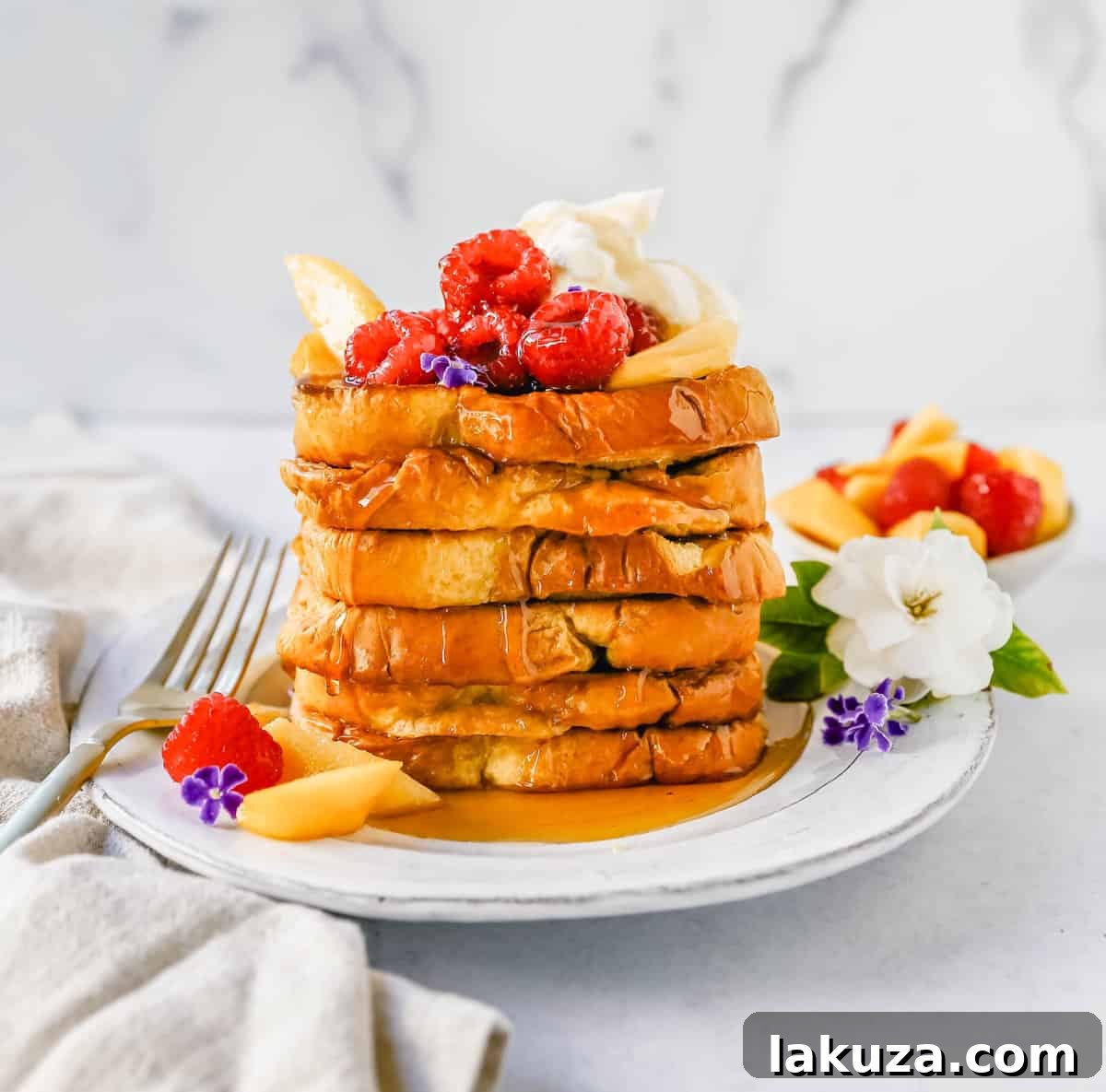
Transform your morning routine with this incredibly simple and delectable Sheet Pan French Toast recipe! Say goodbye to tedious flipping over a hot stove and hello to a hands-off method that yields perfectly golden, tender French toast for the whole family. Dipping slices of bread into a rich custard batter and baking them on a single sheet pan in the oven streamlines the entire process, making homemade French toast easier than ever before. Elevate this delightful oven-baked treat by topping it with a luscious, sweet Mascarpone Cream and a generous scattering of Sweetened Fresh Fruit for an unforgettable breakfast or brunch experience.
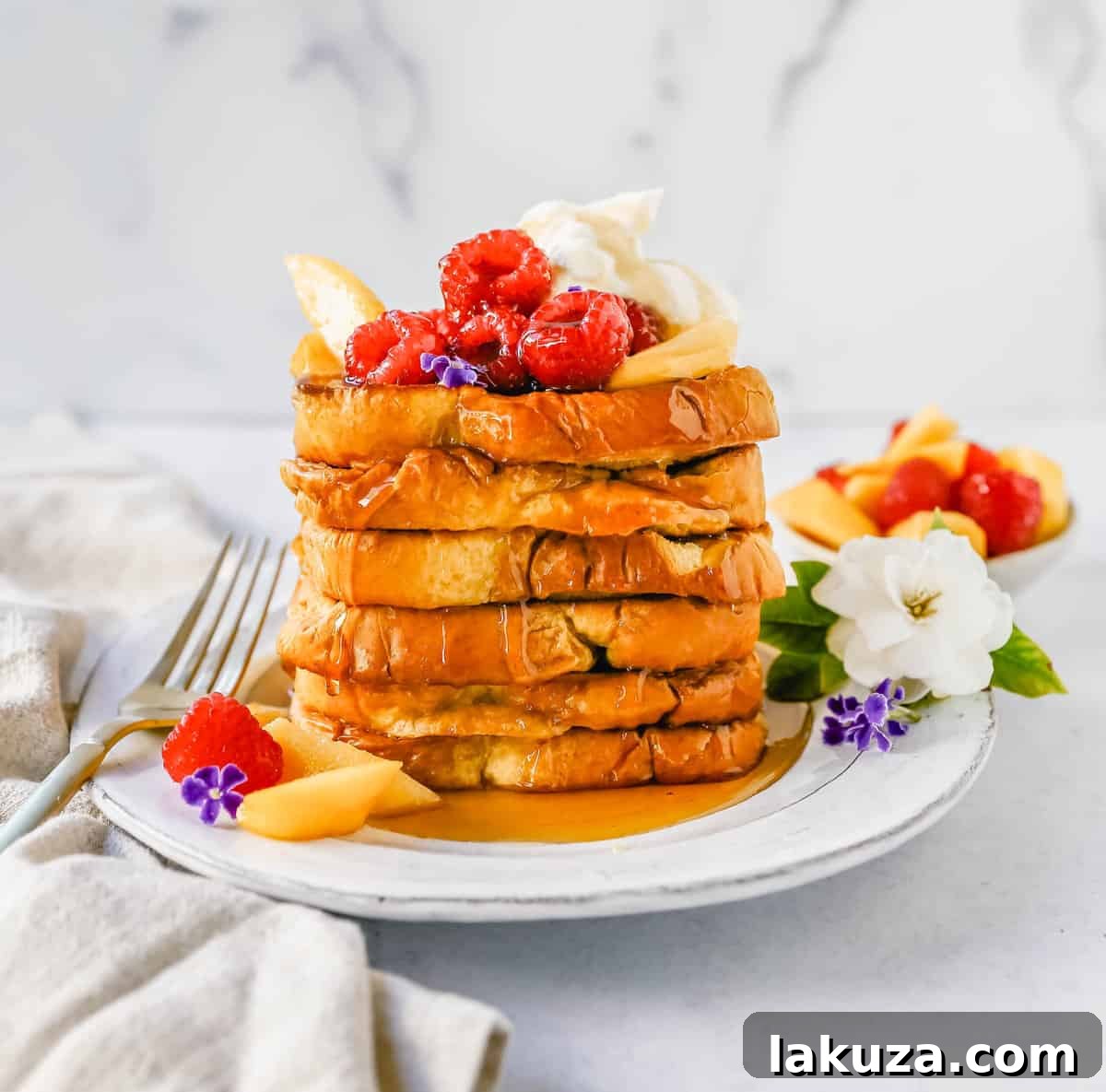
Revolutionize Your Breakfast with Sheet Pan French Toast
Mornings can be hectic, but breakfast doesn’t have to be a scramble. This Sheet Pan French Toast recipe is a game-changer for busy households and those who love entertaining. Instead of patiently standing over a sizzling skillet, cooking just a few slices at a time, you can prepare an entire batch – typically 10-12 slices – all at once. This ingenious approach frees up your time, allowing you to focus on other morning preparations or simply enjoy the company of your family and guests.
You’ll be amazed at how straightforward yet satisfying this French toast recipe is. The oven does most of the work, ensuring each piece is evenly cooked and beautifully browned without constant attention. And if you’re looking to truly impress, the addition of a creamy, sweetened mascarpone topping will have everyone absolutely smitten. It’s a touch of gourmet luxury that’s surprisingly easy to achieve.
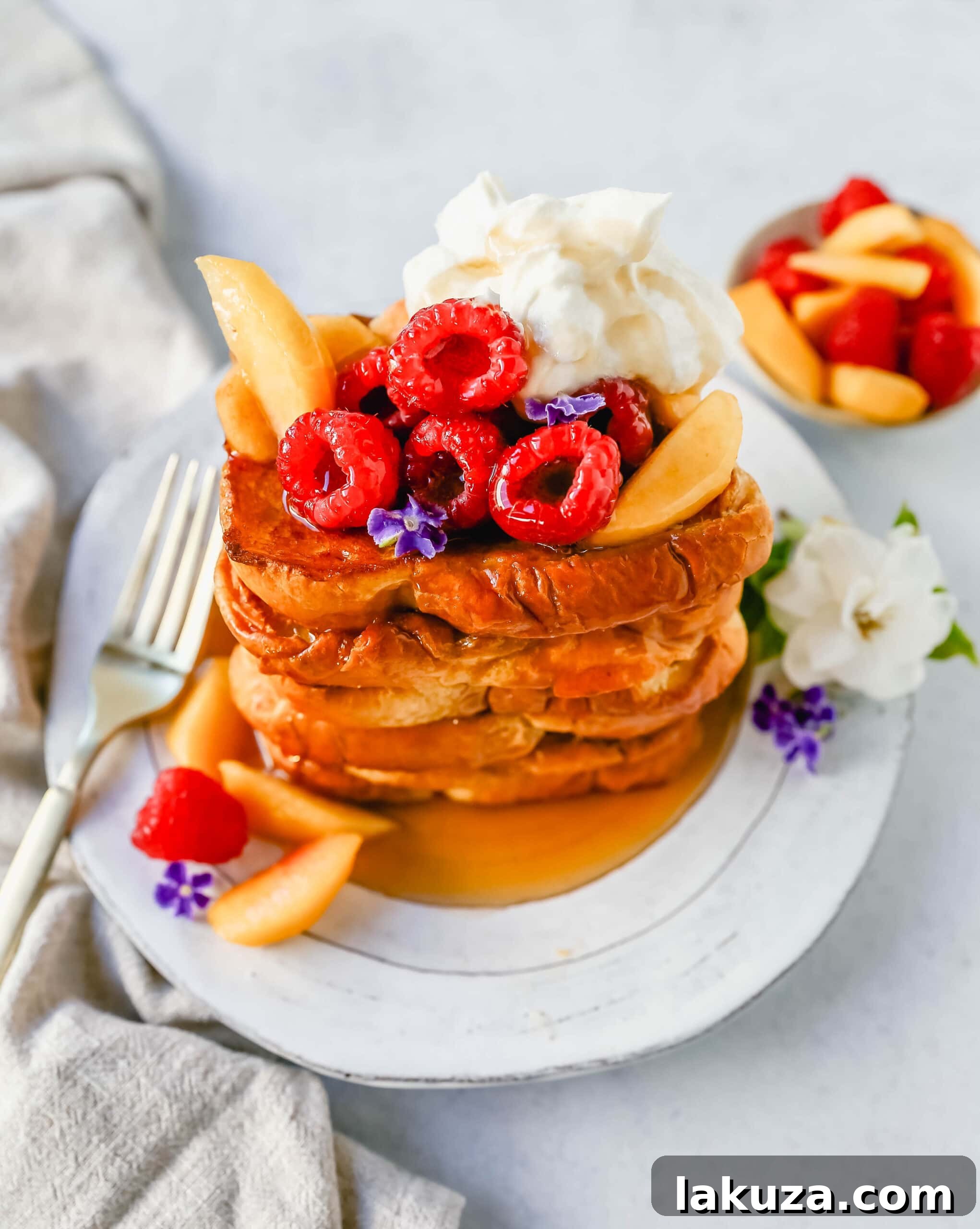
Essential Ingredients for the Perfect Sheet Pan French Toast
Crafting this incredible breakfast masterpiece requires just a handful of staple ingredients, most of which you likely already have in your pantry. The quality of these components, particularly the bread and dairy, plays a significant role in the final flavor and texture. Here’s what you’ll need:
- Brioche Bread Slices: The star of the show. Its rich, buttery, and slightly sweet nature makes it ideal for French toast.
- Whole Milk: Provides a creamy base for the custard, contributing to a tender interior.
- Eggs: The binding agent, creating the classic custardy texture and helping the bread achieve that beautiful golden crust.
- Melted Butter: Adds depth of flavor and richness to the batter, enhancing the overall indulgence.
- Vanilla Extract: A crucial aromatic that infuses the French toast with a warm, comforting essence.
- Brown Sugar: Sweetens the custard and helps achieve a lovely caramelized exterior during baking.
- Cinnamon: Offers a classic spice note that complements the sweetness and richness of the French toast.
Beyond the French toast itself, I highly recommend preparing a sweet Mascarpone Cream (or a sweet Ricotta Cream) and some fresh, sweetened fruit. These toppings elevate the dish from simple breakfast to an extraordinary culinary experience.
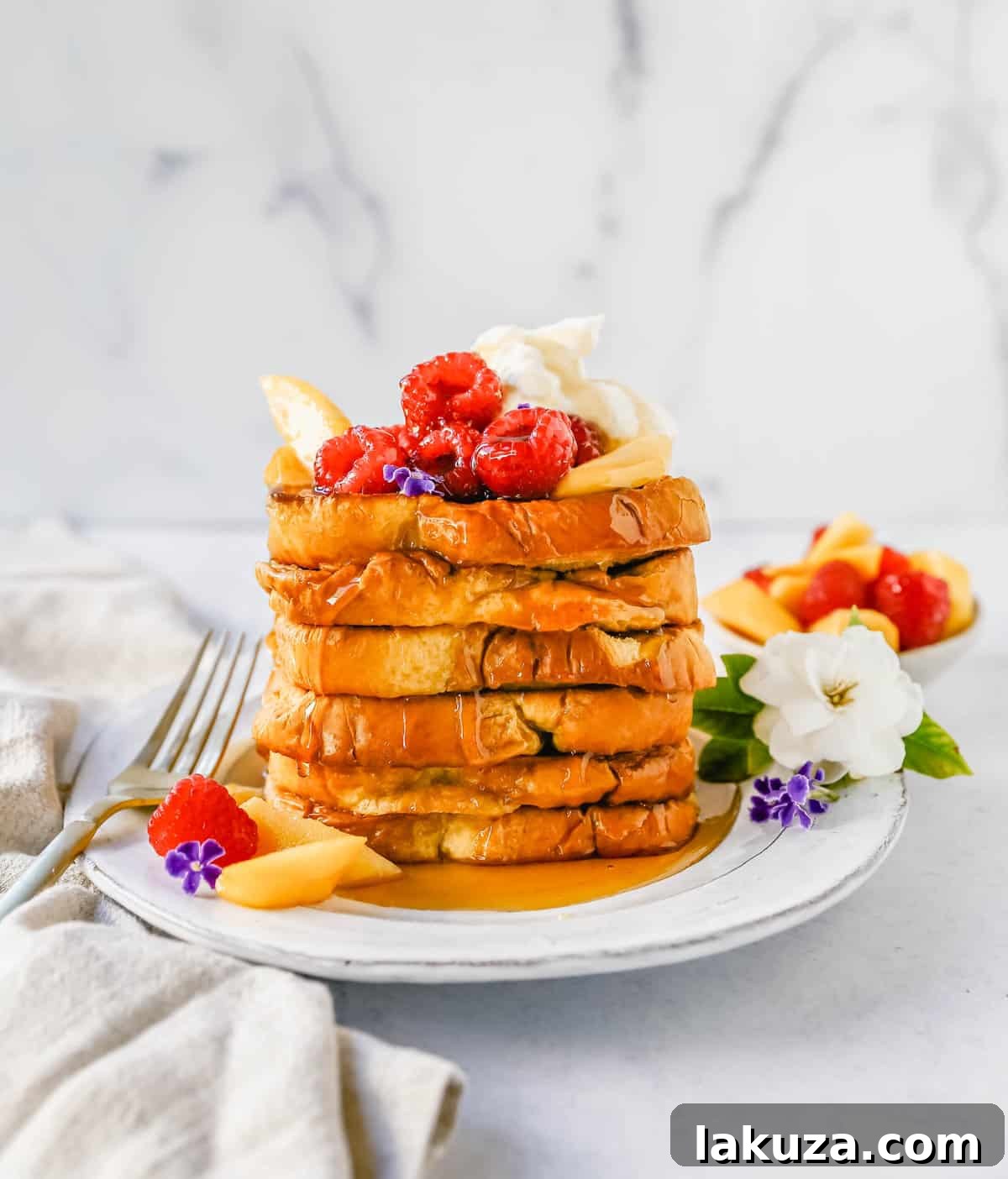
Choosing the Ideal Bread for Oven Baked French Toast
The foundation of exceptional French toast lies in selecting the right bread. While many types of bread can be used, a thick, sturdy loaf is paramount to prevent sogginess and ensure a satisfying texture. Here are my top recommendations:
- Brioche: This is my absolute favorite. Brioche is an enriched bread, meaning it’s made with extra butter, eggs, and a touch of sugar. This results in a naturally rich, soft, and slightly sweet crumb that becomes incredibly custardy when soaked and baked. Using brioche instantly makes your sheet pan French toast more decadent and flavorful.
- Challah: Similar to brioche, challah is another enriched bread, often braided, known for its soft, slightly sweet, and eggy flavor. It holds up beautifully to soaking and baking, delivering a wonderfully tender interior.
- Texas Toast: These are typically extra-thick slices of white bread. While less rich than brioche or challah, their thickness makes them excellent for absorbing the custard without falling apart, resulting in a substantial and comforting French toast.
- Other Options: You can also experiment with sourdough (for a tangy contrast), potato bread, or even a cream cheese-swirled brioche for an added layer of flavor.
A helpful tip: Slightly stale bread actually works best for French toast! Day-old bread is drier, allowing it to absorb more of the custard mixture without becoming mushy. If your bread is very fresh, you can lightly toast it or leave it out uncovered for an hour or two to dry it out slightly.
Crafting the Perfect Custard for Oven-Baked Delight
The custard is where the magic happens, transforming plain bread into a sweet, flavorful treat. Achieving the right consistency and flavor balance is key. Here’s how to prepare it:
- Whisking is Key: In a large mixing bowl, combine the whole milk, large eggs, melted salted butter, vanilla extract, brown sugar, and cinnamon. It’s crucial to whisk these ingredients together thoroughly. Pay special attention to breaking up the egg yolks completely and dissolving any clumps of brown sugar. A well-whisked custard ensures even flavor distribution and a smooth texture.
- Flavor Balance: The brown sugar adds a deep, molasses-like sweetness that caramelizes beautifully. The vanilla extract provides a warm, inviting aroma, while the cinnamon adds a classic spice kick that makes French toast so comforting. Feel free to adjust the amount of brown sugar and cinnamon to suit your preference, or even add a pinch of nutmeg or cardamom for an extra layer of warmth.
- Melted Butter Advantage: Incorporating melted butter directly into the custard not only adds richness but also helps create a crispier, more flavorful crust on the French toast as it bakes.
Step-by-Step Guide to Making Sheet Pan French Toast
This method simplifies French toast preparation significantly. Follow these steps for perfectly baked, golden-brown slices every time:
- Prepare Your Oven and Pan: Begin by preheating your oven to 425°F (220°C). This high temperature ensures a quick bake and a beautiful golden crust. Generously spray your sheet pan with non-stick cooking spray. French toast has a notorious tendency to stick, so ensure the entire surface is well-coated. For extra insurance and flavor, you can even add a thin layer of melted butter over the cooking spray. My favorite baking sheets are from USA PAN and Nordicware; they are heavy-duty and light-colored for even baking.
- Mix the Custard Batter: In a large bowl, whisk together the whole milk, eggs, melted butter, vanilla extract, brown sugar, and cinnamon until thoroughly combined and smooth. Ensure no egg streaks or brown sugar clumps remain.
- Dip the Bread: You have two efficient ways to coat your bread slices.
- Method 1 (Individual Dip): Dip each slice of bread individually into the bowl of custard, turning to coat both sides evenly. Allow any excess batter to drip off before carefully arranging the slices in a single layer on your prepared sheet pan.
- Method 2 (Pan Dip): Alternatively, you can pour the custard mixture directly onto a second, shallow baking dish or pan. Place your bread slices into the custard, pressing each side gently to ensure it absorbs the liquid, then transfer them to the prepared sheet pan. This method can be quicker for larger batches.
Avoid over-soaking, which can lead to soggy French toast. A quick dip to saturate the bread without making it limp is ideal.
- Bake to Perfection: Place the sheet pan in the preheated oven and bake for approximately 7-8 minutes per side. After the initial baking time, carefully remove the pan from the oven and, using a spatula, gently flip each slice of French toast. Return the baking sheet to the oven and continue to cook for another 6-8 minutes, or until both sides are a beautiful light golden-brown color. Since oven temperatures can vary, keep a close eye on your French toast to prevent overbaking. You want a lovely golden hue, not a dark crisp.
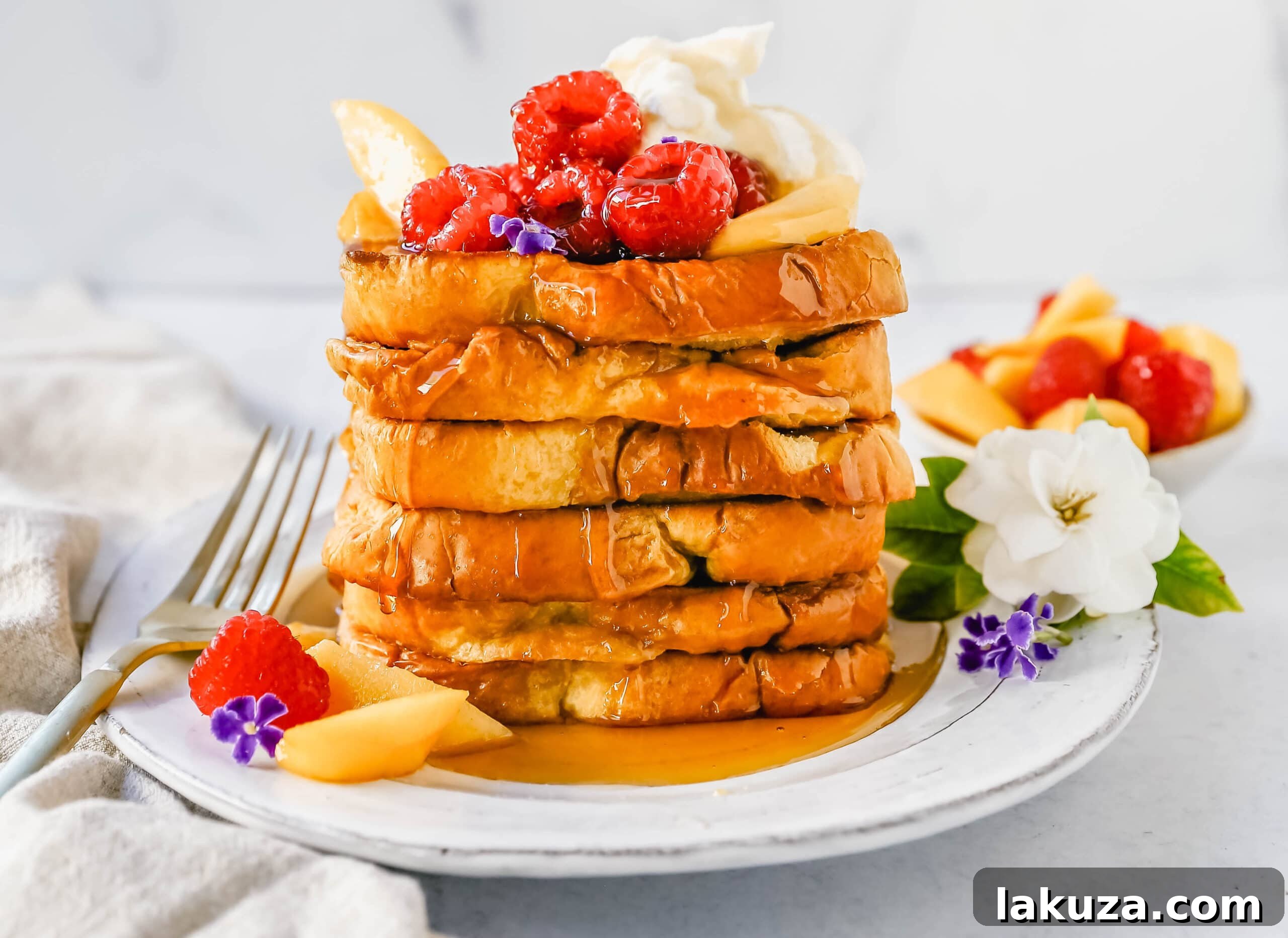
- Prepare Toppings and Serve: While the French toast bakes, prepare your creamy sweet mascarpone or ricotta cream topping. Once baked, transfer the French toast slices to plates and immediately top with your desired accompaniments: a drizzle of warm maple syrup, a dusting of powdered sugar, a dollop of the sweet cream, and a generous portion of sweetened fresh fruit.
Tips for Achieving Flawless Sheet Pan French Toast
Even with a simple recipe, a few expert tips can elevate your results from good to absolutely fantastic:
- Don’t Skip the Grease: French toast loves to stick! Ensure your sheet pan is very generously coated with non-stick spray. Adding a thin layer of melted butter over the spray can provide extra flavor and a beautiful crispness.
- Use Slightly Stale Bread: As mentioned, day-old bread absorbs the custard better without becoming overly soggy. If using fresh bread, let it air dry for an hour or two, or lightly toast it.
- Don’t Overcrowd the Pan: Give each slice a little space to breathe. Overcrowding can lead to uneven cooking and steaming, preventing that lovely golden crust from forming. Use two sheet pans if necessary.
- Whisk the Custard Well: Lumps of egg or undissolved sugar will result in an inconsistent texture and flavor. Whisk until smooth and uniform.
- Monitor Oven Temperature: Every oven is different. Pay attention to how your French toast is cooking and adjust baking times as needed. The goal is a light golden-brown color, not burnt edges.
- Serve Immediately: French toast is best enjoyed fresh out of the oven, when it’s warm, tender, and slightly crispy on the outside.
Creative Serving Suggestions and Variations
While classic maple syrup is always a hit, don’t limit your French toast experience! Here are some ideas to inspire your culinary creativity:
Sweet Toppings
- Mascarpone/Ricotta Cream: As featured, this adds an unbelievably smooth, rich, and tangy sweetness.
- Fresh Fruit Medley: Berries, sliced bananas, peaches, or apples tossed lightly in sugar bring a burst of freshness and natural sweetness.
- Whipped Cream: A light and airy cloud of homemade whipped cream is always a crowd-pleaser.
- Nutella or Chocolate Sauce: For a more indulgent treat, drizzle with warm Nutella or a rich chocolate syrup.
- Caramel or Butterscotch Sauce: Adds a sticky, sweet dimension that pairs wonderfully with the eggy bread.
- Chopped Nuts: Toasted pecans, walnuts, or almonds provide a delightful crunch.
- Powdered Sugar: A simple, elegant finish that adds a touch of sweetness.
Flavor Variations for the Custard
- Citrus Zest: Add orange or lemon zest to the custard for a bright, refreshing note.
- Spiced: Introduce a pinch of nutmeg, cardamom, or even a touch of pumpkin spice mix for seasonal variations.
- Liqueur: A splash of Grand Marnier, Cointreau, or rum in the custard can add a sophisticated touch for adult palates.
- Coffee: A teaspoon of instant espresso powder or strong coffee can deepen the flavor profile, especially if serving with chocolate.
Make Ahead and Storage Tips
One of the beauties of sheet pan French toast is its potential for preparation in advance or enjoying leftovers:
- Make Ahead (Partial): You can prepare the custard batter the night before and store it in an airtight container in the refrigerator. In the morning, simply whisk it again, dip your bread, and bake. This saves significant time!
- Storing Leftovers: Allow any leftover French toast to cool completely. Store it in an airtight container in the refrigerator for up to 2-3 days.
- Freezing: For longer storage, flash-freeze individual slices on a baking sheet until solid, then transfer them to a freezer-safe bag or container. They can be stored for up to 1-2 months.
- Reheating:
- Oven: Reheat frozen or refrigerated French toast on a baking sheet at 350°F (175°C) for 10-15 minutes, or until warmed through and slightly crispy.
- Toaster Oven/Air Fryer: These are excellent for reheating individual slices, making them crispy on the outside again.
- Microwave: While quick, the microwave can make French toast soft and slightly rubbery. Use for speed, but expect a texture change.
More Delicious Breakfast Recipes to Explore
If you love starting your day with a fantastic breakfast, be sure to check out these other popular recipes:
- Classic Vanilla French Toast
- Homemade Buttermilk Pancakes
- Sweet Cream Ricotta Pancakes
- Overnight Creme Brulee French Toast

Sheet Pan French Toast
Modern Honey® – www.modernhoney.com
Easy Sheet Pan French Toast is made by dipping the bread into a custard batter and baking on a sheet pan in the oven. It makes it so much easier to make homemade French toast!
15 minutes
15 minutes
6
Equipment
- baking sheet
- whisk
- mixing bowl set
Ingredients
- 1 loaf Brioche* Bread (sliced)
- 2 cups Whole Milk
- 4 large Eggs
- 4 Tablespoons Melted Salted Butter
- 1 Tablespoon Vanilla Extract
- 2 to 3 Tablespoons Brown Sugar
- 1/2 teaspoon Cinnamon
Sweet Mascarpone Cream:
- 4 ounces Mascarpone Cream (may substitute ricotta cheese or cream cheese)
- 1/2 cup Heavy Cream
- 1/2 to 3/4 cup Powdered Sugar
- 1 teaspoon Vanilla
Fresh Fruit tossed in Sugar
Instructions
- Preheat oven to 425 degrees. Generously spray a sheet pan with non-stick cooking spray to ensure the French toast doesn’t stick to the pan. You can also add some melted butter on top of the non-stick cooking spray.
- In a large bowl, whisk together milk, eggs, melted butter, vanilla, brown sugar, and cinnamon.
- Dip each slice of bread into the egg mixture and turn it to coat. Another option is to pour the custard onto the baking sheet and turn the bread slices to coat each side.
- Bake for about 6-8 minutes per side. After baking for about 7 minutes, carefully remove the pan from the oven and flip the bread slices. Return the baking sheet to the oven and cook for another 6-8 minutes. *Since oven temperatures vary, it will depend on your oven so watch closely. Look for the French toast to turn a light golden brown color. You don’t want to overbake.
- Place French toast slices on a plate and top with syrup, powdered sugar, sweet mascarpone cream, and sweetened fresh fruit.
Sweet Mascarpone Cream:
- In a medium mixing bowl, whip mascarpone cheese and heavy cream until soft peaks form. Fold in powdered sugar and vanilla.
- Toss fresh fruit with sugar in a bowl. Let sit for about 10 minutes to allow the sugar to bring out the sweetness of the fruit.
Notes
You can use your favorite type of thick bread — brioche, challah, Texas Toast, etc.
Nutrition information is automatically calculated, so should only be used as an approximation.
Additional Info
Breakfast
French
6
oven baked french toast, oven french toast, sheet pan french toast