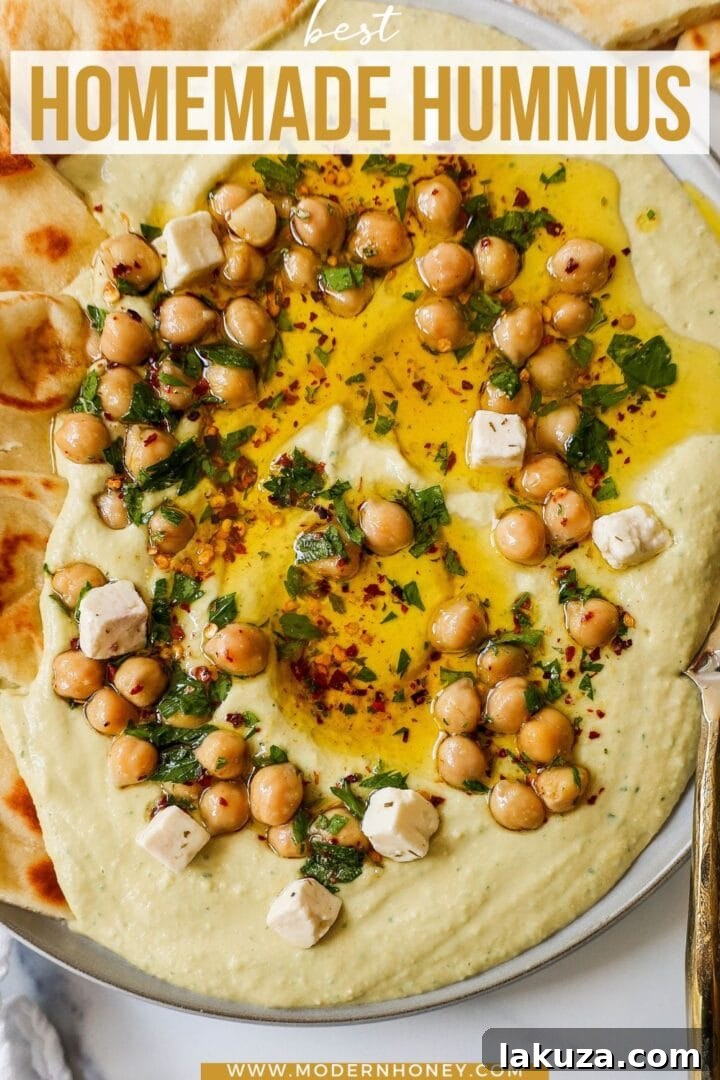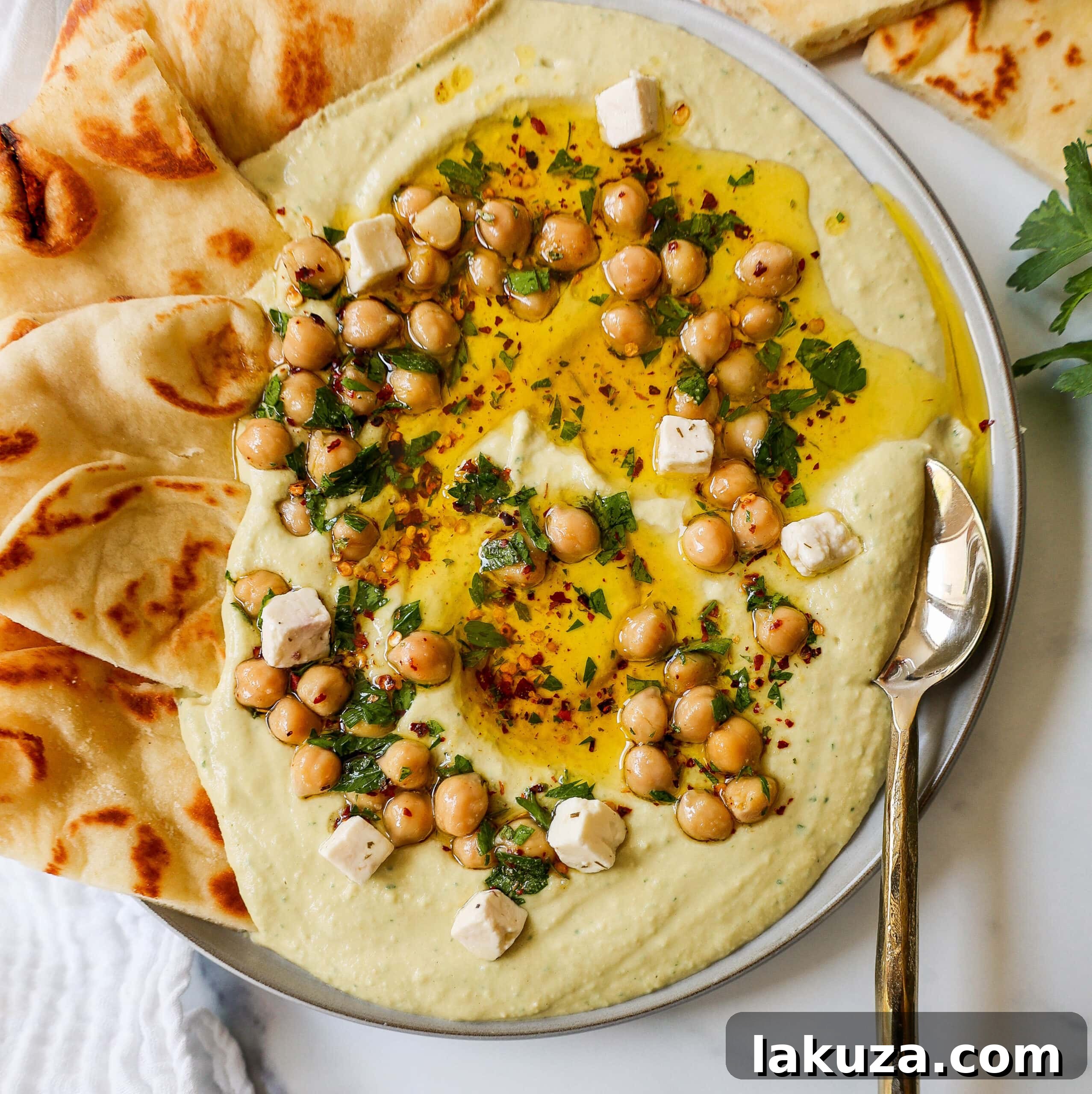
Discover the secret to making truly authentic, incredibly creamy homemade hummus from scratch. This easy-to-follow recipe uses just a few simple, wholesome ingredients: chickpeas, tahini, fresh garlic, rich olive oil, bright lemon juice, and a touch of salt. Prepare yourself for the best hummus you’ve ever tasted!
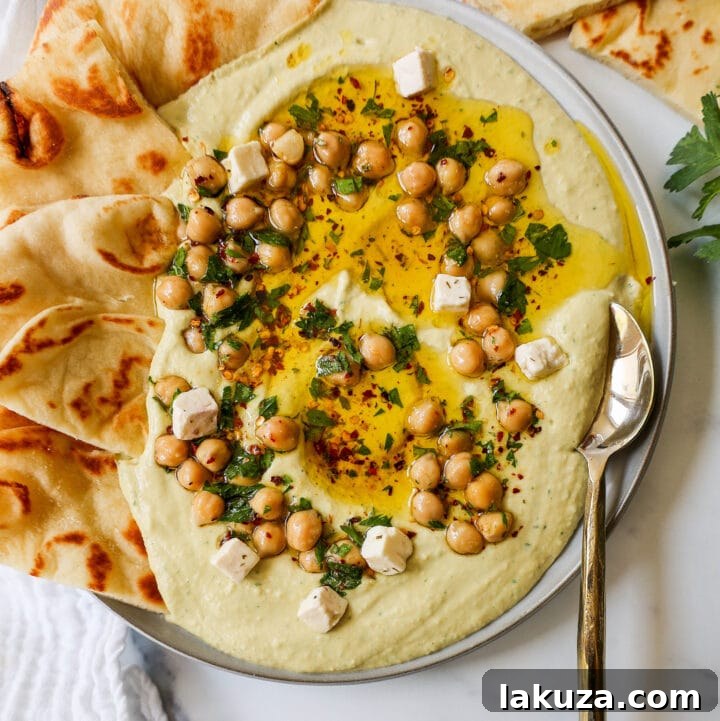
There’s an undeniable magic to sharing beloved Mediterranean and Middle Eastern recipes, and no collection would be complete without highlighting the **ultimate homemade hummus recipe**. This iconic, velvety smooth dip is a culinary cornerstone, celebrated worldwide for its simple ingredients yet profound flavor. While store-bought versions are readily available, nothing compares to the freshness, creaminess, and authentic taste of hummus made in your own kitchen. Imagine dipping warm, fluffy pita bread or soft naan into a bowl of perfectly blended hummus – it’s an experience that transcends a mere snack, becoming a centerpiece of any meal or gathering.
Making hummus from scratch might seem daunting at first, but I assure you, it’s surprisingly straightforward. The core process involves combining a few key ingredients in a food processor or blender and letting the machine do the work until you achieve that signature smooth consistency. However, achieving that truly exceptional, light-as-air, and intensely creamy texture isn’t just about tossing ingredients together. There are a few essential tips and tricks, honed over generations, that elevate homemade hummus from good to absolutely phenomenal. This guide will walk you through every step, ensuring your hummus is not only easy to make but also rivals the best you’ve ever had.
What Exactly is Hummus?
At its heart, hummus is a traditional Middle Eastern and Mediterranean dip or spread, renowned for its rich flavor and satisfying texture. The word “hummus” itself simply means “chickpeas” in Arabic, underscoring its primary ingredient. Historically, this beloved creation was crafted from a blend of cooked chickpeas, tahini (a paste made from ground sesame seeds), fresh garlic, lemon juice, and salt. This foundational combination creates a harmonious balance of earthy, nutty, tangy, and savory notes that are instantly recognizable and deeply comforting.
While the classic recipe remains timeless, hummus has evolved into a versatile dish with countless regional and modern variations. From vibrant roasted red pepper hummus to zesty cilantro jalapeno creations, and even sweet potato or black bean versions, the adaptability of this chickpea base is endless. However, understanding and mastering the traditional preparation is key to appreciating its origins and provides a perfect springboard for experimenting with exciting new flavors. Beyond its delicious taste, hummus is also celebrated for its nutritional benefits, being naturally high in plant-based protein, dietary fiber, and healthy fats, making it a wholesome addition to any diet.
Essential Ingredients for the Best Homemade Hummus
Crafting truly extraordinary hummus doesn’t require a long list of obscure items. In fact, this recipe prides itself on using only seven core ingredients, each playing a vital role in achieving that perfect creamy consistency and authentic flavor profile. We’ll explore how to prepare both quick versions using canned chickpeas and methods for cooking dried chickpeas from scratch for an unparalleled texture.
- Chickpeas (Garbanzo Beans): These legumes are the undeniable star of hummus. For convenience, canned or jarred chickpeas are excellent and widely available. To achieve the absolute creamiest hummus, even with canned chickpeas, a simple trick involves briefly simmering them with a pinch of baking soda. This extra step helps soften the outer skins, ensuring a silkier texture. If you prefer to cook dried chickpeas, allow ample time for soaking overnight and a longer cooking period until they are exceptionally tender. High-quality jarred chickpeas, often found at markets like Whole Foods, are also a fantastic option for their superior texture and flavor.
- Tahini Paste: Often referred to as “sesame butter,” tahini is a paste made from finely ground, toasted sesame seeds. It is a non-negotiable ingredient for authentic hummus, contributing significantly to its luscious creaminess and distinctive nutty, slightly bitter flavor. The quality of your tahini makes a huge difference; look for brands with a smooth, pourable consistency and a light, appealing color. A good tahini will effortlessly emulsify with the other ingredients, creating that desired smooth texture.
- Fresh Garlic: Garlic adds a pungent, aromatic kick that is integral to hummus. While 1 to 2 cloves will provide a subtle background note, garlic enthusiasts might prefer 3 cloves for a bolder, more pronounced flavor. Always opt for fresh garlic cloves over pre-minced varieties for the best taste.
- Extra-Virgin Olive Oil: This ingredient serves multiple purposes. Internally, it contributes to the smoothness and richness of the hummus, infusing it with its characteristic fruity and peppery notes. Externally, a generous drizzle of high-quality extra-virgin olive oil over the top just before serving adds a beautiful sheen, enhances the flavor, and makes for an inviting presentation.
- Fresh Lemon Juice: The bright, zesty acidity of freshly squeezed lemon juice is crucial for balancing the earthy depth of the tahini and the richness of the olive oil. It lifts the entire flavor profile, adding a refreshing tang that makes the hummus irresistible. Always use fresh lemons for the best results; bottled lemon juice simply doesn’t compare.
- Salt: Often underestimated, salt is one of the most important seasonings in hummus. It not only enhances the existing flavors of the chickpeas and tahini but also brings them into perfect harmony. It’s vital to taste the hummus during the blending process and adjust the salt level until it sings on your palate.
- Ice-Cold Water: This is a secret weapon for achieving that coveted light, airy, and fluffy hummus texture. Adding ice-cold water gradually during the blending process helps to create a stable emulsion, resulting in a remarkably smooth and almost whipped consistency. Start with the recommended amount and add more as needed to reach your desired level of creaminess.
Creative Hummus Topping Ideas
While plain hummus is delightful on its own, adding toppings can transform it into an even more gourmet and visually appealing dish. Think of your hummus as a canvas for flavor and texture!
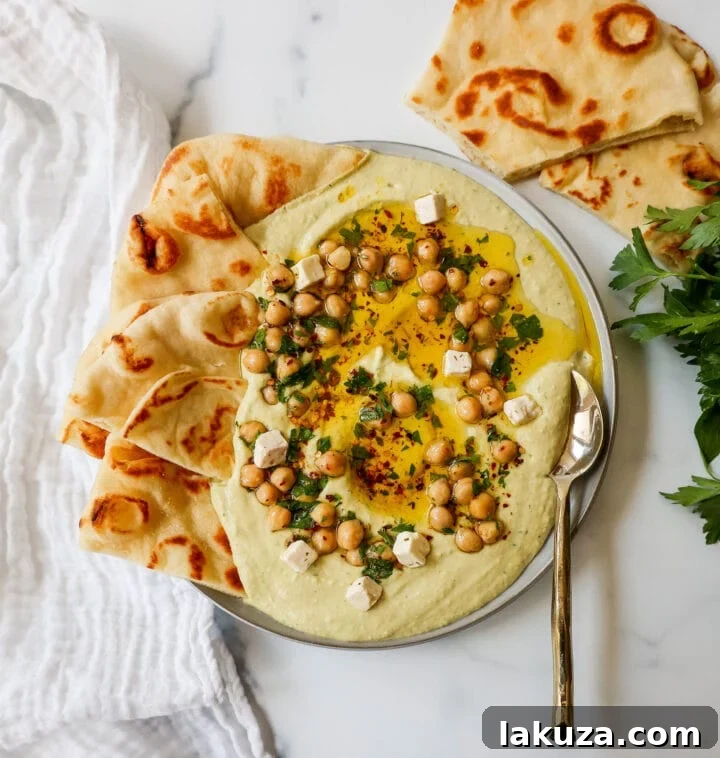
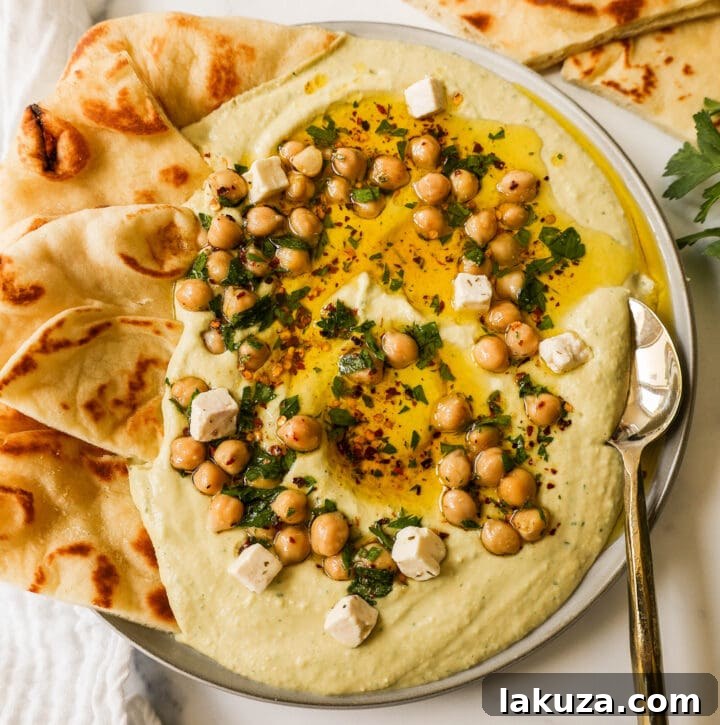
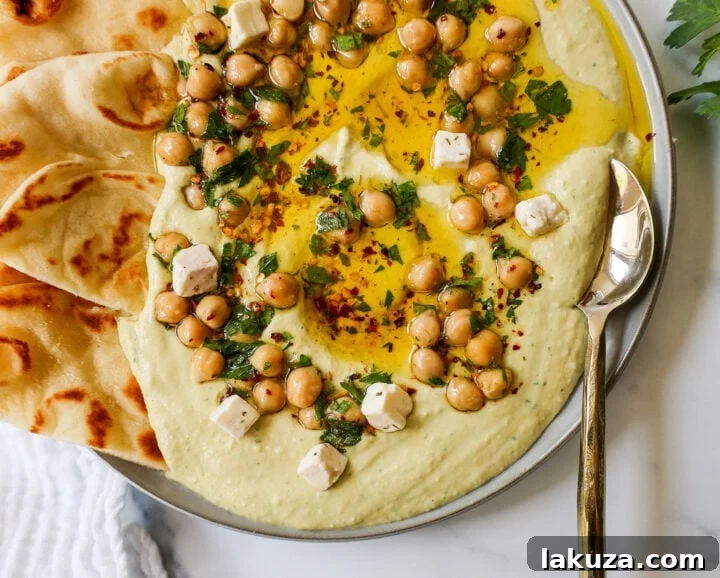
Some of my favorite ways to elevate homemade hummus include sprinkling a few whole chickpeas for textural contrast, adding a generous drizzle of your finest extra-virgin olive oil for added richness, or scattering toasted pine nuts for a buttery crunch. A dash of sweet paprika or smoked paprika adds a beautiful color and a hint of warmth, while freshly chopped parsley brings a burst of green and herbaceous freshness. For a savory twist, crumbled feta cheese offers a salty, tangy counterpoint that is simply divine.
Mastering Homemade Hummus: A Step-by-Step Guide
Creating perfect hummus at home is simpler than you might imagine, especially when you follow these proven steps. The key lies in understanding how each ingredient and technique contributes to the final creamy texture and authentic flavor. Here’s your comprehensive guide:
- Prepare Your Chickpeas for Ultimate Creaminess: The foundation of truly smooth hummus lies in exceptionally soft chickpeas.
- For Canned or Jarred Chickpeas (Recommended for Speed and Quality): While you can simply drain and rinse them, for an unbelievably smooth result, I highly recommend an extra step. Place the drained chickpeas in a saucepan, cover them with water, and add 1/2 teaspoon of baking soda. Bring the mixture to a boil, then reduce the heat and simmer for 25-30 minutes. The baking soda helps break down the chickpea skins, making them incredibly tender. Drain thoroughly after simmering. If you’re short on time, you can skip this step, but your hummus won’t be quite as silken.
- For Dried Chickpeas (For the Most Authentic & Budget-Friendly Option): If using dried chickpeas, you’ll need to plan ahead. Soak 1 cup of dried chickpeas overnight in a large bowl covered with plenty of water (they will expand significantly). Drain the soaked chickpeas. Transfer them to a pot, cover with fresh water, and cook for 1.5 to 2 hours, or until they are completely tender and easily mashable. Drain well before proceeding.
- Combine the Core Ingredients: Transfer the softened and drained chickpeas into the bowl of a high-quality food processor. Add the tahini, minced garlic, extra-virgin olive oil, freshly squeezed lemon juice, and initial amount of salt.
- Blend Until Velvety Smooth: Begin processing the mixture. Let the food processor run for at least 3 to 5 minutes initially, scraping down the sides of the bowl every minute or so. This initial blend is crucial for breaking down the chickpeas and emulsifying the tahini and olive oil. You want to see a very smooth, thick paste forming.
- Achieve the Perfect Fluffy Consistency with Ice-Cold Water: With the food processor still running, slowly drizzle in the ice-cold water, starting with 2-3 tablespoons. Observe the hummus as it transforms; the cold water helps lighten its color and whips it into a remarkably light and fluffy texture. Continue adding water one tablespoon at a time until the hummus reaches your desired creamy consistency. Some prefer it thicker, others a bit looser – this step allows for customization. Blend for another 1-2 minutes after adding the water to ensure full creaminess.
- Season to Perfection and Chill: Stop the food processor and taste the hummus. This is your chance to adjust the seasoning. Add more salt if needed to enhance the flavors, or a splash more lemon juice for extra brightness. Once seasoned to your liking, transfer the hummus to an airtight container. Cover it tightly and refrigerate for at least 30 minutes to allow the flavors to meld and the hummus to firm up slightly.
- Serve with Style: When ready to serve, spread the chilled hummus onto a platter or into a decorative bowl. Create a shallow well in the center with the back of a spoon and generously drizzle with extra-virgin olive oil. Garnish with your favorite toppings such as a sprinkle of paprika, fresh parsley, pine nuts, or a few whole chickpeas for a truly inviting presentation.
Delicious Serving Suggestions for Hummus
The versatility of homemade hummus is one of its greatest attributes. It can be enjoyed in a myriad of ways, making it suitable for any meal or occasion, from a casual snack to a sophisticated appetizer spread.
As a classic dip, hummus shines when paired with warm, fluffy pita bread, crispy crackers, an assortment of fresh-cut vegetables (like carrots, celery, bell peppers, or cucumber slices), or crunchy crostini. It’s also fantastic with homemade naan bread, which offers a soft, chewy texture similar to pita.
Beyond dipping, hummus is a star on a crudité board alongside other fresh produce, or as part of an elaborate meze platter featuring other Mediterranean and Middle Eastern delicacies, such as olives, stuffed grape leaves, and creamy tzatziki sauce.
Consider incorporating hummus into your main courses as well. It makes a superb accompaniment to grilled meats like Greek Chicken, or as a flavorful spread inside Greek Chicken Gyros. For a lighter meal, spread it onto a vegetable wrap, adding an instant boost of flavor and nutrition.
Frequently Asked Questions About Homemade Hummus
What kind of chickpeas are best for hummus?
You have a few options: canned, jarred, or dried chickpeas. For convenience and a good result, high-quality canned or jarred chickpeas are excellent. To achieve the absolute creamiest texture with these, I highly recommend simmering them briefly with 1/2 teaspoon of baking soda before blending. If you’re using dried chickpeas, plan to soak them overnight and cook them for 1.5 to 2 hours until they are exceptionally soft. This yields a wonderfully authentic flavor and texture. For quick and easy hummus, pre-cooked canned or jarred chickpeas are your best bet.
How can I make my hummus extra creamy and smooth?
The secret to super creamy hummus lies in three main factors:
- **Very Soft Chickpeas:** Whether canned (simmer with baking soda) or dried (cooked until mushy), soft chickpeas are paramount.
- **Good Quality Tahini:** A smooth, pourable tahini makes a significant difference.
- **Ice-Cold Water:** Adding ice water slowly while blending helps to emulsify the ingredients and creates a lighter, fluffier texture.
Why is my homemade hummus grainy?
Grainy hummus is typically a result of chickpeas that weren’t soft enough or insufficient blending time. Ensure your chickpeas are cooked until very tender (the baking soda trick helps immensely). Also, make sure to blend the ingredients for at least 3-5 minutes initially, and then longer with the cold water, scraping down the sides often. Peeling the chickpeas after cooking is an advanced step that guarantees ultimate smoothness, though it’s quite time-consuming.
Why does my hummus taste bitter?
Bitterness in hummus often comes from low-quality tahini or too much garlic. If your tahini is very dark and pasty, it might be bitter. Try a lighter, more pourable brand. Also, reduce the amount of garlic if you find it too overpowering. Adding a bit more lemon juice or a pinch of sugar can sometimes help balance out mild bitterness.
What are some popular hummus variations?
Once you’ve mastered the traditional hummus recipe, the possibilities for customization are endless!
- For **Cilantro Jalapeño Hummus:** Add 1 bunch of fresh cilantro (stems included for flavor) and 1/2 to 1 deseeded jalapeño to the food processor with the other ingredients.
- For **Roasted Red Pepper Hummus:** Incorporate 1/2 jar (about 6-8 ounces) of drained roasted red peppers into the blend.
- For a **Spicier and Smoky Hummus:** Add 1/2 to 1 teaspoon of ground cumin and a pinch of smoked paprika for an extra layer of warmth and depth.
- Other popular variations include avocado hummus, beet hummus, sun-dried tomato hummus, and caramelized onion hummus.
Can I make hummus without tahini?
While you technically *can* make a chickpea dip without tahini, it wouldn’t be authentic hummus. Tahini is fundamental to hummus, providing its signature nutty flavor, creamy texture, and rich mouthfeel. Without it, the dip will lack depth and often be less smooth. If you have a sesame allergy, consider alternative binders like cashew butter or sunflower seed butter, but be aware the flavor profile will change significantly.
How to Store Homemade Hummus
Homemade hummus stores beautifully, allowing you to enjoy its fresh taste for several days. Transfer your finished hummus to an airtight container. For best results and to prevent the surface from drying out, you can smooth the top of the hummus and drizzle a thin layer of extra-virgin olive oil over it before sealing the container. Store it in the refrigerator. Properly stored homemade hummus will last for at least 7 to 10 days.
Creamy Homemade Hummus
Equipment
-
Food Processor
Ingredients
- 15 ounces Chickpeas (canned or jarred, drained and rinsed, optionally simmered with baking soda for extra creaminess)
- 1/4 cup Tahini Paste (high quality, more to taste if desired)
- 1 to 2 Garlic Cloves (minced, 3 if you love garlic)
- 3 Tablespoons Extra-Virgin Olive Oil (plus more for drizzling)
- 3 Tablespoons Fresh Lemon Juice (freshly squeezed is best)
- 2 to 4 Tablespoons Ice Cold Water (adjust for desired consistency)
- 3/4 teaspoon Salt (or to taste)
Toppings (optional):
- Pine Nuts, Whole Chickpeas, Olive Oil, Fresh Herbs (like parsley or mint), Paprika, Crumbled Feta Cheese
Instructions
-
Prepare Chickpeas for Smoothness: For the creamiest hummus, ensure your chickpeas are exceptionally soft. If using canned or jarred chickpeas, drain and rinse them. Then, place them in a saucepan, cover with water, and add 1/2 teaspoon of baking soda. Bring to a boil, then simmer for 25-30 minutes until very tender. Drain completely. (If time is short, you can skip this simmering step, but the hummus may be slightly less smooth). If using dried chickpeas, soak overnight and cook for 1.5-2 hours until very soft, then drain.
-
Combine Ingredients: Add the drained, softened chickpeas to a food processor along with the tahini, minced garlic, 3 tablespoons of extra-virgin olive oil, fresh lemon juice, and 3/4 teaspoon of salt.
-
Blend until Creamy: Process the mixture for at least 3 minutes, or until it becomes very smooth. Stop and scrape down the sides of the food processor bowl every minute to ensure everything is evenly blended.
-
Add Ice-Cold Water for Fluffiness: With the food processor still running, slowly drizzle in 2-4 tablespoons of ice-cold water, one tablespoon at a time. The hummus will lighten in color and become noticeably fluffier and creamier. Continue blending for 1-2 minutes longer after adding the water to achieve your desired consistency.
-
Taste and Serve: Taste the hummus and adjust seasoning as needed, adding more salt or lemon juice to your preference. Transfer the hummus to an airtight container and refrigerate until ready to serve (chilling helps flavors meld). Spread onto a platter or into a bowl, drizzle with extra olive oil, and garnish with desired toppings like fresh herbs or paprika.
Notes
- Chickpeas: For the quickest and easiest hummus, use canned or jarred chickpeas. For optimal creaminess, simmer them briefly with baking soda as instructed. If using dried chickpeas, remember to soak them overnight and cook for 1.5-2 hours until very tender.
- Tahini Paste: Always use a good quality, smooth tahini for the best flavor and texture. It’s a cornerstone of authentic hummus.
- Garlic: Adjust the amount of fresh garlic to your taste preference – 1-2 cloves for subtle flavor, 3 for a stronger garlic punch.
- Extra-Virgin Olive Oil: Use high-quality olive oil for richness in the hummus and as a flavorful garnish.
- Lemon Juice: Freshly squeezed lemon juice is essential for balancing flavors and adding brightness.
- Salt: Seasoning to taste is crucial. Don’t be afraid to adjust until the flavor is perfect.
- Ice-Cold Water: This helps create a light, airy, and fluffy texture by aiding emulsification. Add gradually to achieve your desired consistency.
To cook dried chickpeas from scratch:
Soak 1 cup of dried chickpeas overnight in a large bowl with plenty of water. Drain the soaked chickpeas. Transfer to a pot, cover with fresh water, and cook for 1 1/2 to 2 hours, or until they are completely soft and easily mashable.
Nutrition
Nutrition information is automatically calculated, so should only be used as an approximation.
Additional Info