
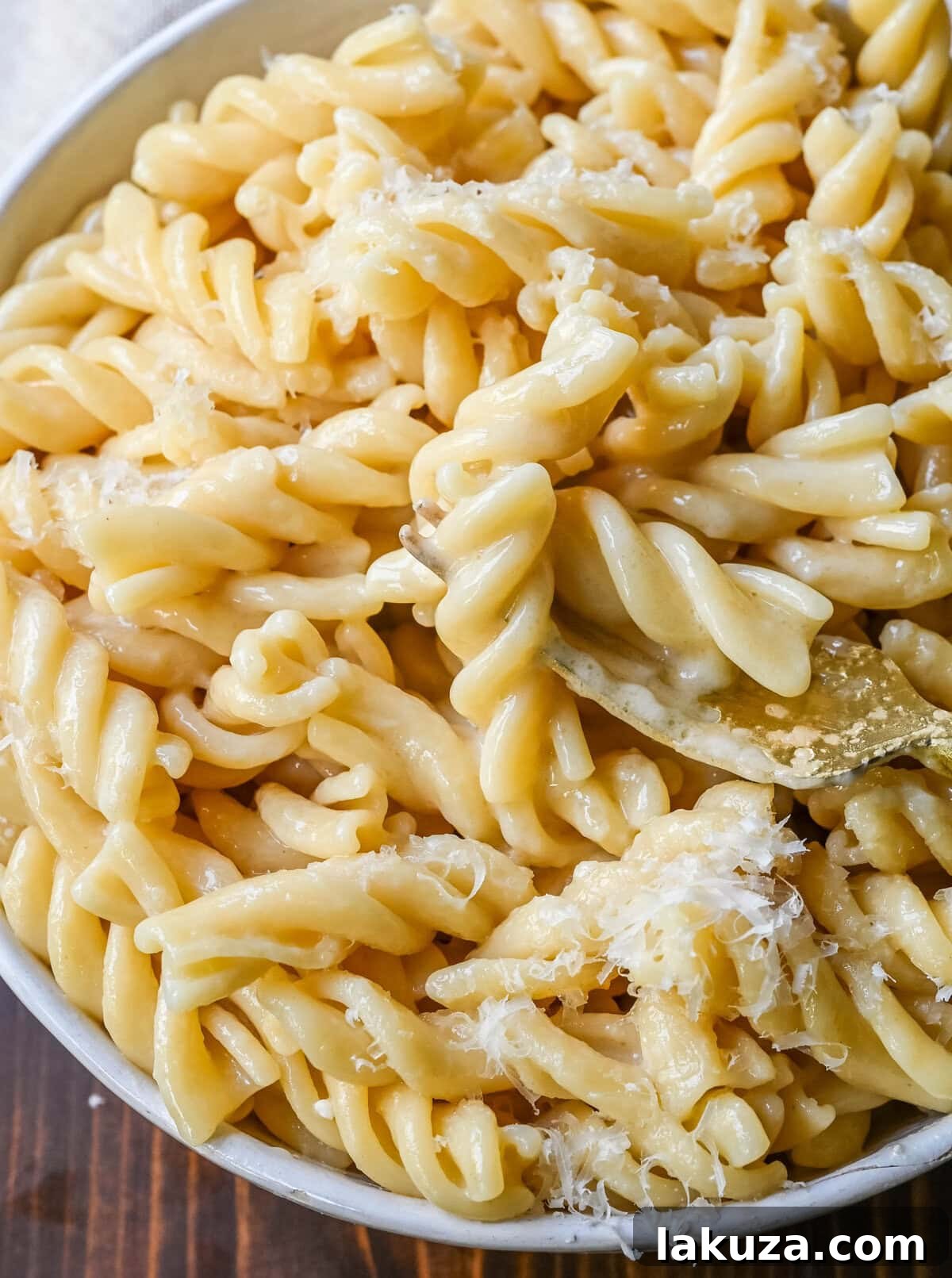
In the realm of comfort food, few dishes achieve the sublime simplicity and profound satisfaction of buttered noodles. Known elegantly in Italy as Burro e Parmigiano, this iconic pasta dish transcends its humble origins to deliver an irresistibly rich, velvety, and deeply flavorful experience. Requiring just a handful of high-quality ingredients – tender pasta, luxurious butter, authentic Parmigiano Reggiano cheese, and a secret ingredient often overlooked: pasta water – it’s a testament to the power of less is more in the culinary world.
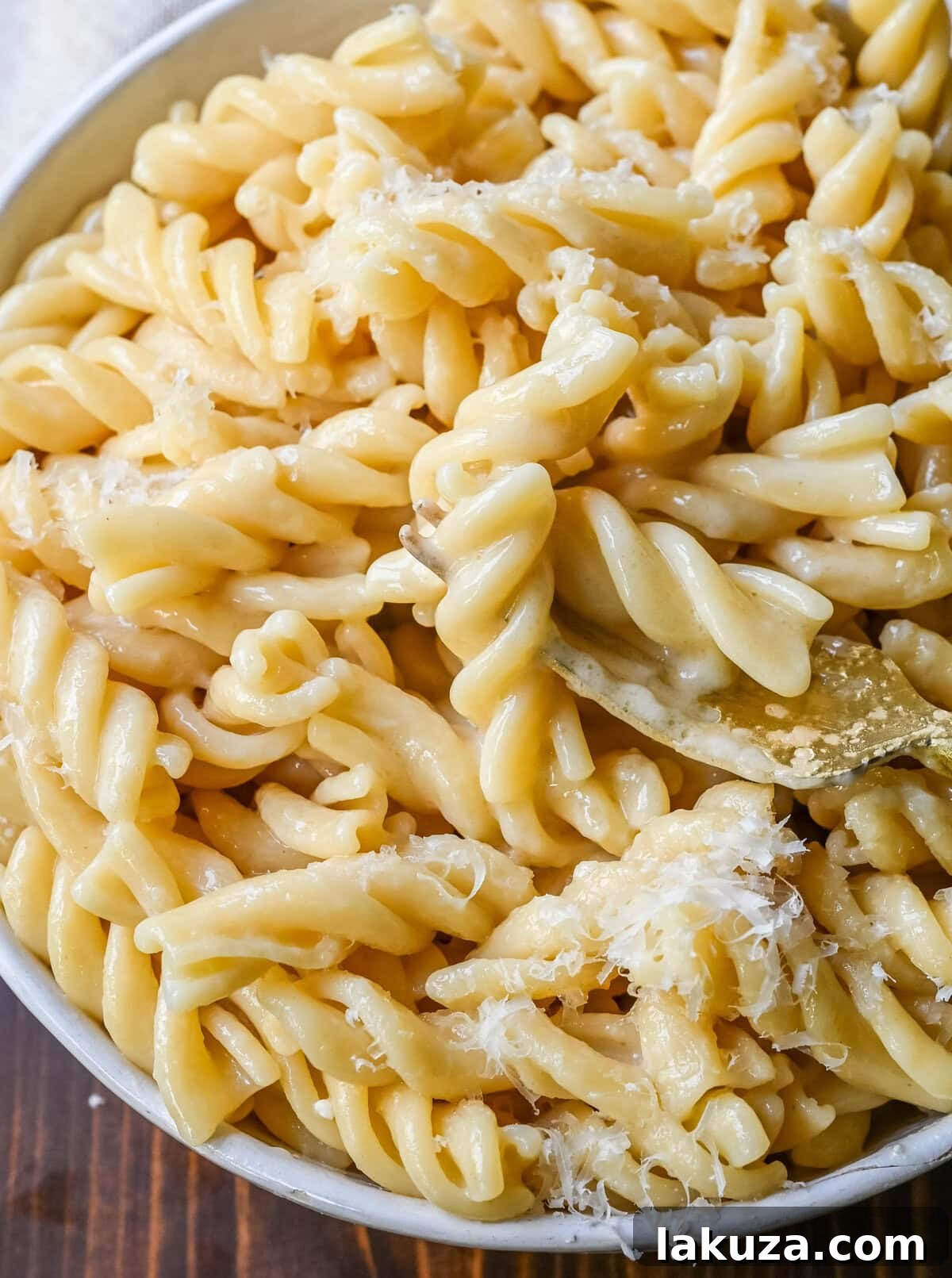
While many aspire to intricate gourmet creations, sometimes the most memorable meals are born from the simplest foundations. Buttered noodles epitomize this philosophy. It’s a dish that evokes warmth, nostalgia, and pure indulgence, yet can be prepared in mere minutes without a special trip to the grocery store. This recipe isn’t just about mixing pasta with butter and cheese; it’s about understanding the synergy between these elements to create a harmonious, restaurant-quality sauce that perfectly coats every strand of pasta.
The inspiration for perfecting this seemingly basic dish often comes from Italian culinary traditions, where the integrity of ingredients takes center stage. In New York City, Chef Mattia Moliterni of Roscioli restaurant elevated this classic to an award-winning status with his renowned Burro e Parmigiano. His version, celebrated for its exquisite balance and depth, showcases how three core ingredients—pasta, creamy butter, and genuine Parmigiano Reggiano—can yield such an extraordinary result.
Our journey to culinary excellence with buttered noodles includes a personal connection to its roots. Last year, a visit to Parma, Italy, the very heartland where Parmigiano Reggiano is meticulously crafted, offered invaluable insight. Bringing back authentic, aged cheese from its origin transformed our appreciation and application in this classic dish. The difference is palpable, imparting a nutty, salty depth that simply cannot be replicated with lesser substitutes.
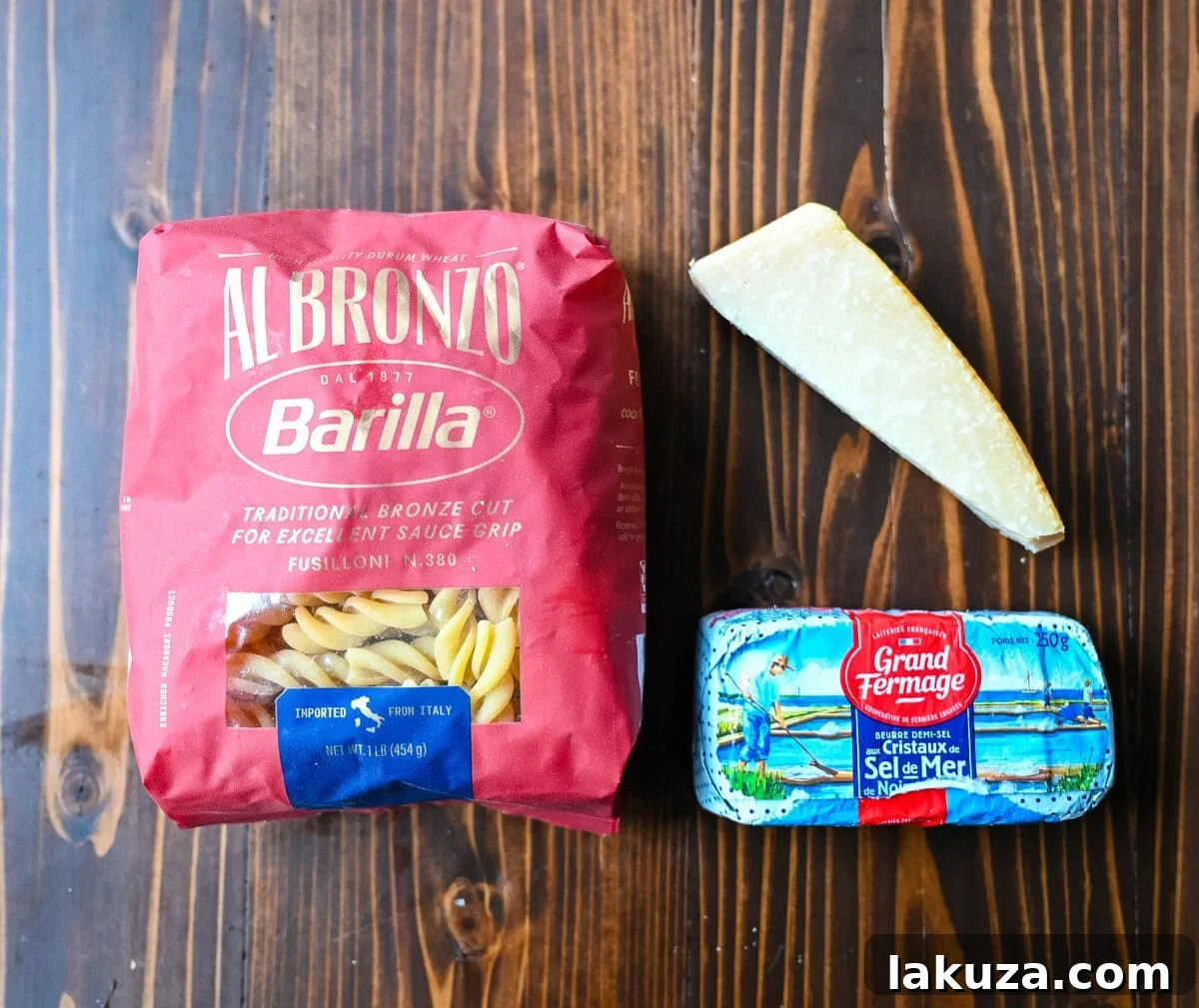
The Pillars of Perfection: Burro e Parmigiano Ingredients
The magic of buttered noodles lies in the quality and interaction of its core components. Choosing the right ingredients isn’t just a suggestion; it’s the key to transforming a simple meal into an unforgettable culinary experience. Let’s explore each essential element:
- Butter: The Golden Foundation
Butter is far more than just a lubricant here; it’s the soul of the sauce, imparting an incomparable richness and a luxurious mouthfeel. For the finest results, opt for high-quality salted butter, ideally a European-style variety. These butters boast a higher butterfat content and often a richer flavor profile, contributing significantly to the sauce’s creaminess and depth. Brands like Kerrygold grass-fed butter are excellent choices, offering a superior taste that truly elevates the dish. The salt content in good quality butter also contributes to the overall seasoning, harmonizing beautifully with the cheese. - Pasta: The Canvas for Flavor
While egg noodles are often considered the traditional choice for classic buttered noodles, the beauty of this recipe is its versatility with pasta shapes. Long, thin pastas like spaghetti or fettuccine are excellent, as their surface area allows the sauce to cling beautifully. Short pasta shapes like rotini, penne, or even cavatappi also work wonderfully, trapping the rich sauce within their nooks and crannies. The most critical aspect is cooking the pasta to a perfect al dente, ensuring it retains a satisfying bite and doesn’t become mushy, providing a robust foundation for the sauce. - Parmesan Cheese: The Heart of Savory Umami
No buttered noodle dish, especially one aspiring to the authentic Burro e Parmigiano standard, is complete without exceptional Parmesan. We strongly advocate for freshly grated Parmigiano-Reggiano. This aged Italian hard cheese delivers a complex nutty, salty, and umami-rich flavor that is central to the dish. Pre-grated cheeses, while convenient, often contain anti-caking agents like cellulose, which prevent them from melting smoothly, resulting in a gritty or clumpy sauce. Investing in a block of genuine Parmigiano-Reggiano and grating it yourself just before use will make a monumental difference in texture and flavor. - Pasta Water: The Emulsifying Elixir
This seemingly humble byproduct of cooking pasta is, in fact, “liquid gold” and the true unsung hero of this dish. The starch released from the pasta as it cooks transforms the plain butter and cheese into a cohesive, velvety sauce. Without it, the butter and cheese would likely separate or clump, resulting in a thin, inconsistent coating. The starchy pasta water acts as a natural emulsifier, binding all the components together to create a glossy, luscious sauce that clings to every noodle, elevating the dish from simple to sensational.
Optional Enhancements: For those seeking a subtle layer of complexity, sautéing a clove or two of minced fresh garlic in the butter before adding the pasta can introduce a gentle warmth. A generous crack of freshly ground black pepper at the end provides a sharp, aromatic counterpoint that elegantly balances the richness of the butter and cheese.
The Unseen Force: Why Pasta Water is Non-Negotiable
Understanding the critical role of pasta water is paramount to mastering this dish. As pasta cooks, it releases starches into the boiling water. When this starchy water is introduced to melted butter and grated cheese, it performs a culinary miracle: emulsification. This process binds the fat from the butter and the proteins from the cheese into a stable, creamy sauce. Imagine it as the natural “glue” that allows the sauce to achieve that desirable smooth, restaurant-quality consistency, enveloping each noodle in a delicate, flavorful embrace without the need for heavy cream. It’s the secret to its elegant simplicity.
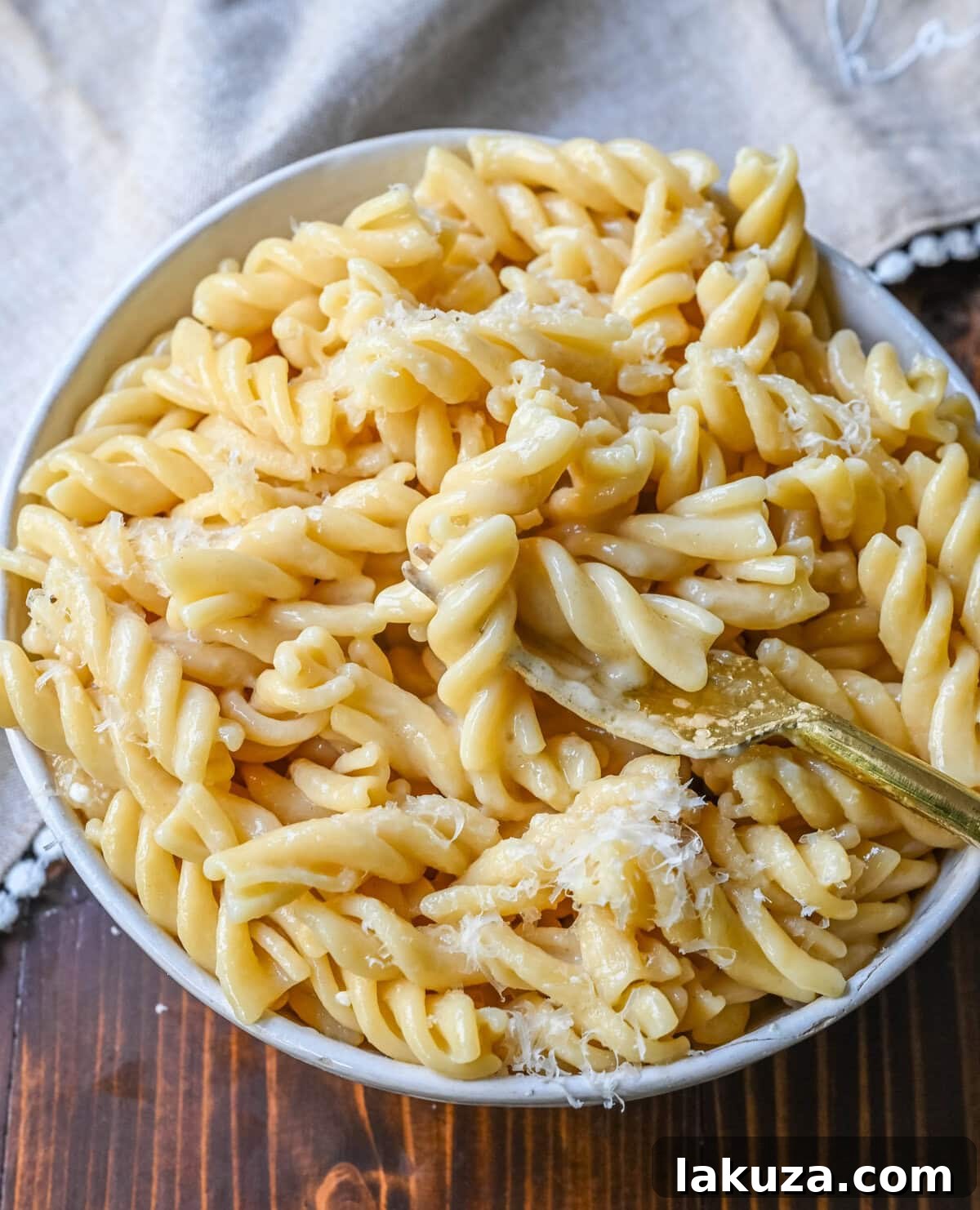
Crafting Perfection: How to Make Butter Parmesan Pasta (Burro e Parmigiano)
Achieving the perfect buttered noodles is a straightforward process, but it hinges on attention to detail at each stage. Follow these steps to create a truly remarkable dish:
- Prepare Your Pasta: Begin by bringing a large pot of water to a vigorous rolling boil. Generously salt the water – it should taste noticeably salty, similar to seawater. This is crucial for seasoning the pasta from the inside out. Add your chosen pasta and cook according to package directions until it is perfectly al dente. This means it should be tender but still have a slight, pleasant chew to it. Overcooked, soft pasta will not hold up well in the sauce.
- Reserve the “Liquid Gold”: Before draining your pasta, use a heat-proof measuring cup or ladle to scoop out approximately 1 to 1.5 cups of the starchy pasta water. Set this aside; it’s essential for creating your sauce.
- Build the Butter Base: In a large skillet or wide pan (preferably one large enough to accommodate all the cooked pasta later), gently melt the butter over medium-low heat. If you’re incorporating minced garlic, add it to the melted butter and sauté for about 30 seconds until fragrant, being careful not to let it brown or burn.
- Unite Pasta and Butter: Once the pasta is cooked al dente, drain it quickly (without rinsing) and immediately transfer it to the skillet with the melted butter. Toss the pasta vigorously with tongs, ensuring every strand is thoroughly coated in the rich butter. This initial coating is vital for preventing the noodles from sticking and sets the stage for the sauce.
- Emulsify with Cheese and Pasta Water: This is the crucial step for creating that luscious, creamy sauce. Gradually sprinkle in the freshly grated Parmigiano Reggiano cheese, a small amount at a time, while continuously tossing the pasta. As you toss, begin to add small splashes of the reserved pasta water. The heat from the pasta, the fat from the butter, the proteins from the cheese, and the starch from the pasta water will work together to form a smooth, glossy, and creamy sauce that beautifully clings to the noodles. Continue adding pasta water until your desired consistency is reached – the sauce should be thick enough to coat the pasta without being soupy.
- Season and Serve Immediately: Taste the dish and adjust seasoning as needed. Often, a generous crack of fresh black pepper is all that’s required. If necessary, add a tiny pinch more salt, but remember that salted butter and Parmigiano Reggiano are already quite flavorful. Serve your exquisite buttered noodles immediately, perhaps with an extra dusting of grated Parmesan on top for garnish and added flavor. The sauce is best enjoyed fresh, as it can thicken upon cooling.
Pro Tips for Unforgettable Buttered Noodles
Mastering the seemingly simple Burro e Parmigiano involves a few key techniques that transform it from good to absolutely phenomenal:
- Toss with Vigor: Don’t be shy! Vigorously tossing the pasta in the pan is essential. The friction helps the cheese melt evenly and promotes the emulsification process, ensuring a smooth, cohesive sauce.
- Gradual Cheese Addition: Avoid dumping all the Parmesan in at once. Adding it gradually, in small batches, and continually tossing prevents the cheese from clumping and allows it to melt into the sauce more effectively.
- Pasta Water is Your Best Friend: Never skimp on reserving pasta water. It is the absolute secret to achieving that rich, creamy texture without needing any cream. Its starch content is what makes the sauce bind and cling perfectly.
- Serve Promptly: This dish is best enjoyed immediately. The sauce can thicken and become less pliable as it cools. Have everything ready so you can serve it piping hot.
- Mind the Heat: Keep the heat on medium-low when combining the sauce ingredients. Too high heat can cause the cheese to separate or become oily.
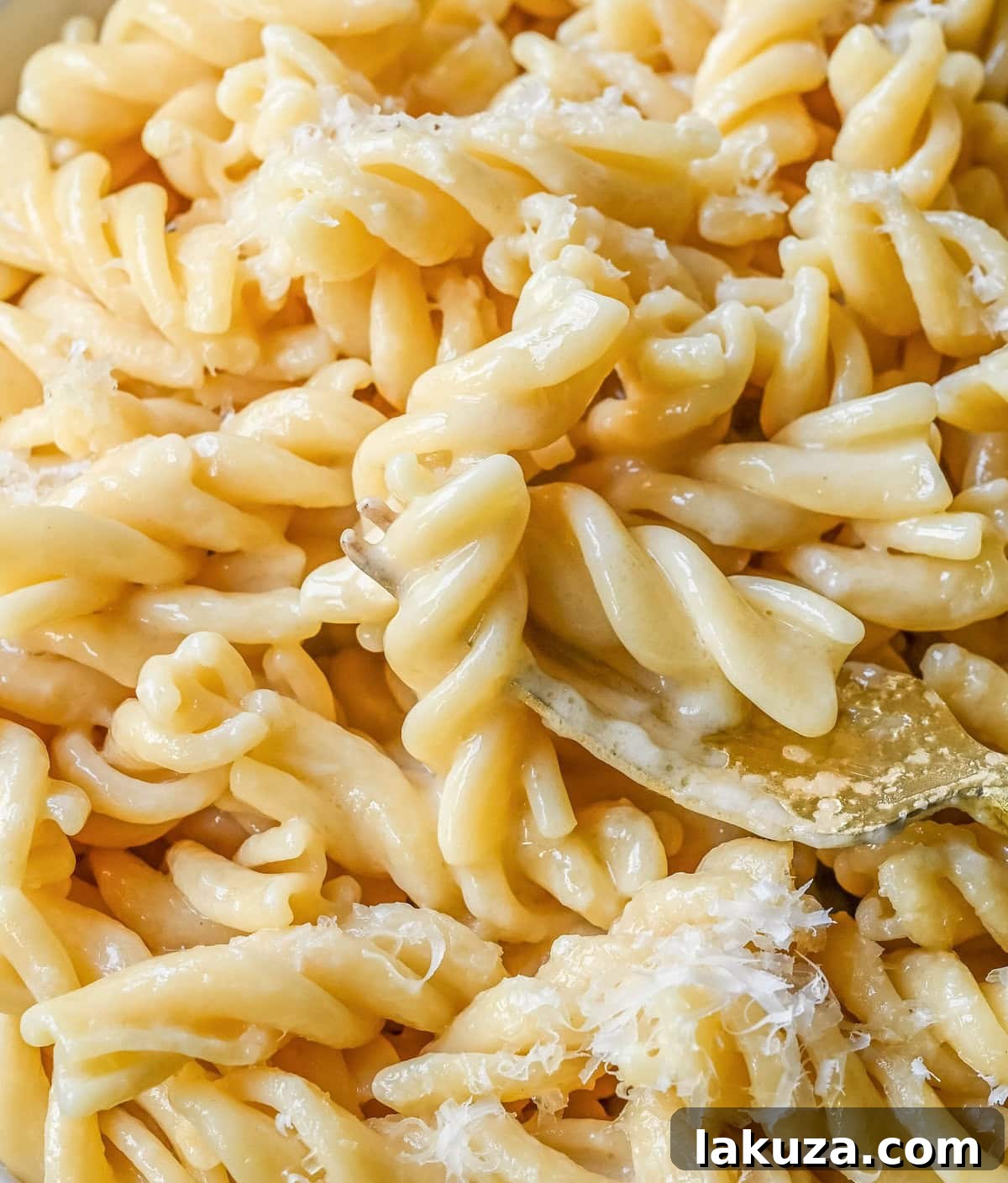
Quick Reminders for Success!
- Always save some pasta water! This starchy liquid is invaluable; it helps the butter and cheese meld seamlessly onto the noodles, creating a silky sauce instead of a dry, separated one.
- Salt your pasta water generously! This is your primary opportunity to season the pasta itself, ensuring every bite is flavorful from the inside out. Think of it like seasoning the ocean.
- Opt for high-quality butter! European-style butter, with its higher fat content, contributes significantly more richness and a superior creamy texture to your sauce. It’s an investment worth making for this dish.
- Freshly grate your Parmigiano Reggiano! This simple step prevents clumping and guarantees the smoothest, most authentic cheese flavor and texture.
Frequently Asked Questions (FAQ’s) About Buttered Noodles:
- What type of pasta works best for buttered noodles?
- While traditional egg noodles are a classic choice, this dish is incredibly versatile. Spaghetti, fettuccine, linguine, or even short pasta shapes like rotini, penne, or cavatappi all work beautifully. The key is to choose a pasta you love and cook it perfectly al dente.
- Can I make this recipe without cheese for a simpler version?
- Absolutely! While cheese is central to Burro e Parmigiano, a simple buttered pasta with just good quality butter, a generous amount of salt, and perhaps some sautéed garlic or fresh herbs can still be incredibly delicious and comforting. It’s a foundational dish that can be enjoyed in its most stripped-down form.
- Is it possible to use margarine instead of real butter?
- While you technically *can* use margarine, we strongly advise against it for this recipe. Real butter, especially high-quality European-style butter, is fundamental to the rich, complex flavor and creamy texture of buttered noodles. Margarine will not yield the same depth of flavor or the desired emulsification and mouthfeel.
- How can I transform buttered noodles into a complete meal?
- Buttered noodles make an excellent base or side dish, but they can easily be upgraded to a full meal. Consider adding grilled chicken, pan-seared shrimp, crispy bacon or prosciutto, roasted vegetables (like asparagus, broccoli, or bell peppers), or even sautéed mushrooms. A sprinkling of fresh herbs like parsley or chives can also brighten the dish.
- What if my sauce isn’t creamy enough or seems to separate?
- This usually indicates insufficient pasta water or not enough vigorous tossing. Ensure you’re adding pasta water gradually while continuously tossing to encourage emulsification. If it separates, try adding another splash of hot pasta water and stir vigorously off the heat to bring it back together.
Storage & Reheating Guidelines:
- Refrigerator: Leftover buttered noodles can be stored in an airtight container in the refrigerator for up to 3 days.
- Reheat: To reheat, gently warm the noodles on the stovetop over low heat or in the microwave. It’s crucial to add a splash of water or broth (or even more pasta water if you saved extra) to loosen the noodles and help re-emulsify the sauce, as it will thicken significantly upon cooling. Stir gently until warmed through.
- Freezer: Freezing buttered noodles is generally not recommended. The pasta texture can become compromised, and the sauce may separate and become dry or oily when thawed, diminishing the overall quality of the dish.
Perfect Pairings: What to Serve with Buttered Noodles:
Buttered noodles, with their rich and comforting profile, serve as an excellent accompaniment to a variety of main courses or can be enjoyed with simple sides to create a complete meal. Here are some delightful suggestions:
- Garlic Cheese Bread: A classic pairing, the crisp, garlicky bread provides a wonderful textural contrast and complements the pasta’s flavors.
- Marry Me Chicken: The creamy, sun-dried tomato sauce of this chicken dish would be a luxurious match for the simple buttered noodles.
- Sauteed Zucchini with Parmesan: For a lighter, vegetable-forward side, the fresh flavors of sautéed zucchini offer a refreshing balance to the richness of the pasta.
- Simple Green Salad: A crisp, lightly dressed green salad with a vinaigrette can cut through the richness and add freshness.
- Roasted Asparagus or Broccoli: Quickly roasted vegetables provide a healthy and flavorful addition.
More Popular Pasta Dishes to Explore:
Fettuccine Alfredo
Boursin Cheese Baked TikTok Pasta
“Date Me” Creamy Sausage Rigatoni Pasta
Creamy Lemon Pasta
★
★
★
★
World’s Best Buttered Noodles
Ingredients
- 1/2 cup Salted Butter (8 Tablespoons, cut into cubes)
- 4 ounces Parmigiano Reggiano (Parmesan) Cheese * (freshly grated, about 1 1/4 cups)
- 1 lb (16 oz) Pasta * (of choice)
- 1 cup Pasta Water (may only need 1/2 cup)
Optional:
- 2 Garlic Cloves (minced)
Instructions
-
Cook the pasta: Bring a large pot of water to a rolling boil, salt it generously (it should taste like seawater), and cook your pasta until just al dente. This ensures the noodles retain some bite and don’t turn mushy when combined with the sauce.
-
Reserve pasta water: Before draining, scoop out about 1 cup of the starchy water and set aside. This will transform your sauce.
-
Melt the butter: In a large skillet or pan, melt butter gently over medium-low heat. If adding garlic, sauté it until fragrant (about 30 seconds).
-
Combine noodles and butter: Add the drained pasta directly to the pan with butter. Toss vigorously to coat every noodle.
-
Add parmesan and pasta water: Sprinkle in the cheese gradually, a little at a time, tossing constantly. We highly recommend using freshly grated Parmigiano Reggiano. Pour in small splashes of the reserved pasta water as needed until the cheese melts into a glossy, creamy sauce that beautifully clings to the noodles.
-
Season and serve: Taste the sauce and add freshly ground black pepper (and extra salt if needed, keeping in mind the salted butter and cheese). Serve immediately with a little extra Parmesan cheese on top.
Notes
- Butter – For superior flavor and creaminess, use good-quality salted European-style butter with higher butterfat content. Kerrygold grass-fed butter is a fantastic option.
- Pasta – While traditional egg noodles are excellent, feel free to use your favorite pasta shape like spaghetti, fettuccine, or even a short pasta. Cook to al dente for the best texture.
- Parmesan Cheese (Parmigiano Reggiano) — Always prioritize freshly grated Parmigiano-Reggiano. Pre-grated varieties often contain anti-caking agents that hinder smooth melting and compromise texture.
- Pasta Water — This starchy water is indispensable. It acts as the emulsifier, binding the butter and cheese into a smooth, luxurious sauce that clings perfectly to the pasta.
Nutrition
Carbohydrates: 69g,
Protein: 20g,
Fat: 26g,
Saturated Fat: 16g,
Polyunsaturated Fat: 1g,
Monounsaturated Fat: 7g,
Trans Fat: 1g,
Cholesterol: 64mg,
Sodium: 517mg,
Potassium: 233mg,
Fiber: 3g,
Sugar: 3g,
Vitamin A: 745IU,
Vitamin C: 0.4mg,
Calcium: 297mg,
Iron: 1mg
Nutrition information is automatically calculated, so should only be used as an approximation.
Additional Info
Enjoyed this recipe? Leave a comment below!
Jump to Comments