
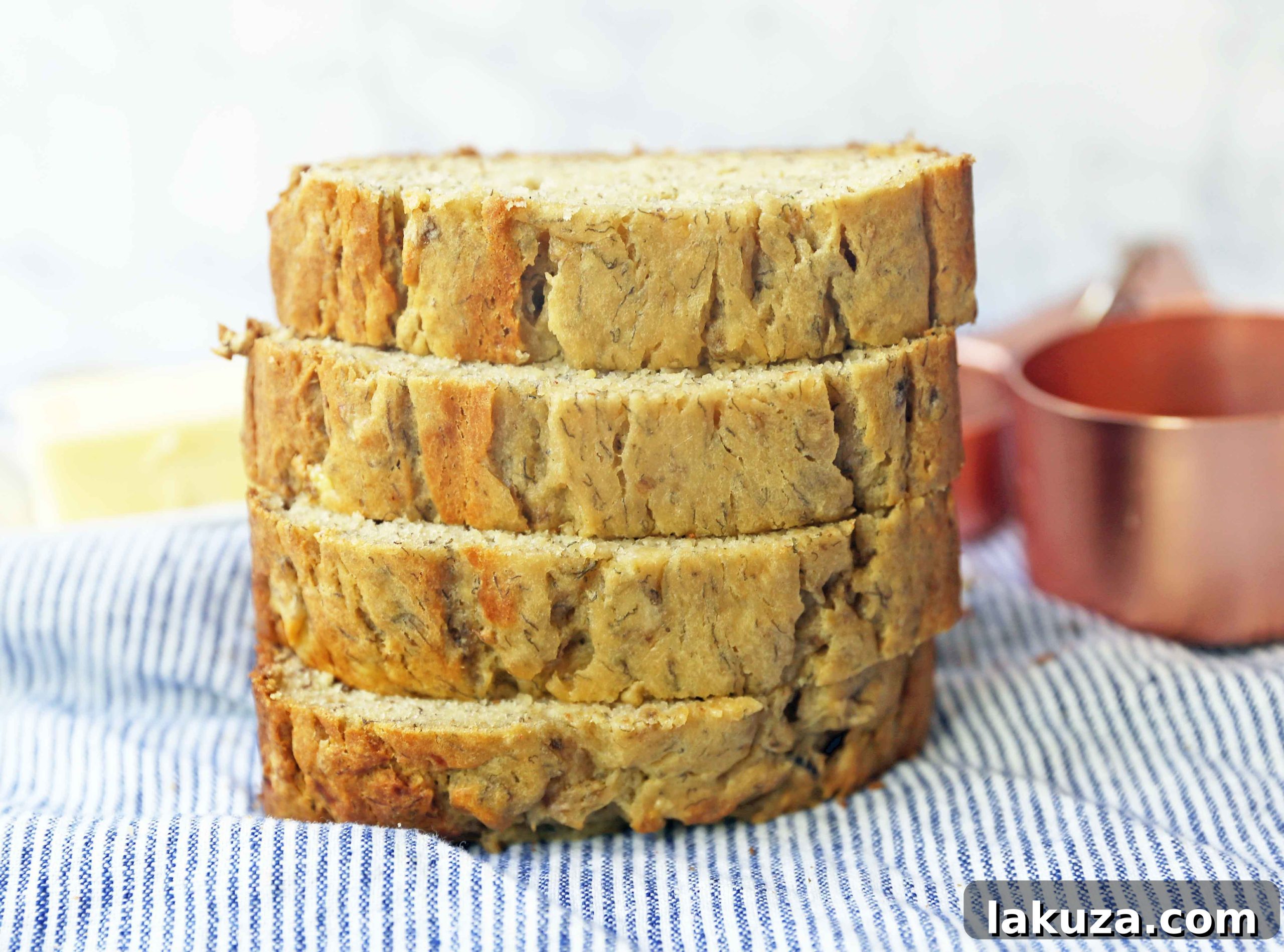
The Ultimate Banana Bread Recipe: Perfectly Moist and Flavorful
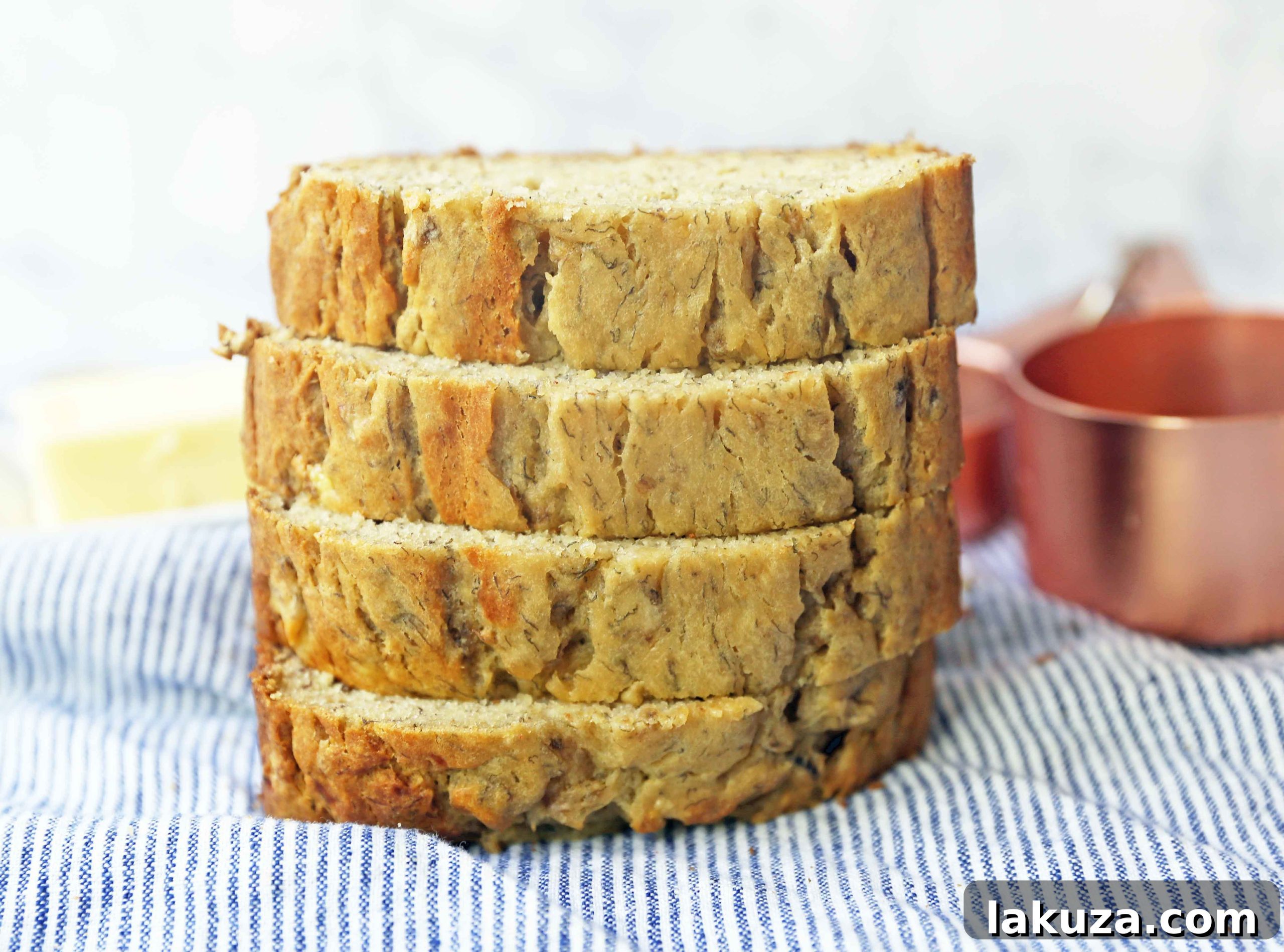
There’s something inherently comforting about a warm slice of homemade banana bread. The aroma filling your kitchen, the soft, sweet crumb, and that distinct, irresistible banana flavor. It’s a classic for a reason, a perfect treat for breakfast, a snack with coffee, or a delightful dessert. But not all banana bread is created equal. Many recipes can lead to dry, bland loaves that miss the mark. If you’re searching for that truly exceptional banana bread—the kind that’s incredibly moist, bursting with rich banana goodness, and utterly worthy of a generous slather of butter—your search ends here. This isn’t just a recipe; it’s a guide to baking the perfect loaf every single time.
We’ve meticulously tested and refined countless variations to bring you what we confidently call the BEST banana bread recipe. Our goal was simple: achieve an unparalleled level of moisture without making it dense, and infuse it with the deepest, most authentic banana flavor possible. This recipe incorporates key techniques and ingredient combinations that elevate it far above the rest, ensuring a tender texture and a taste that will have everyone asking for more. Get ready to transform your overripe bananas into a culinary masterpiece that will become a staple in your home.
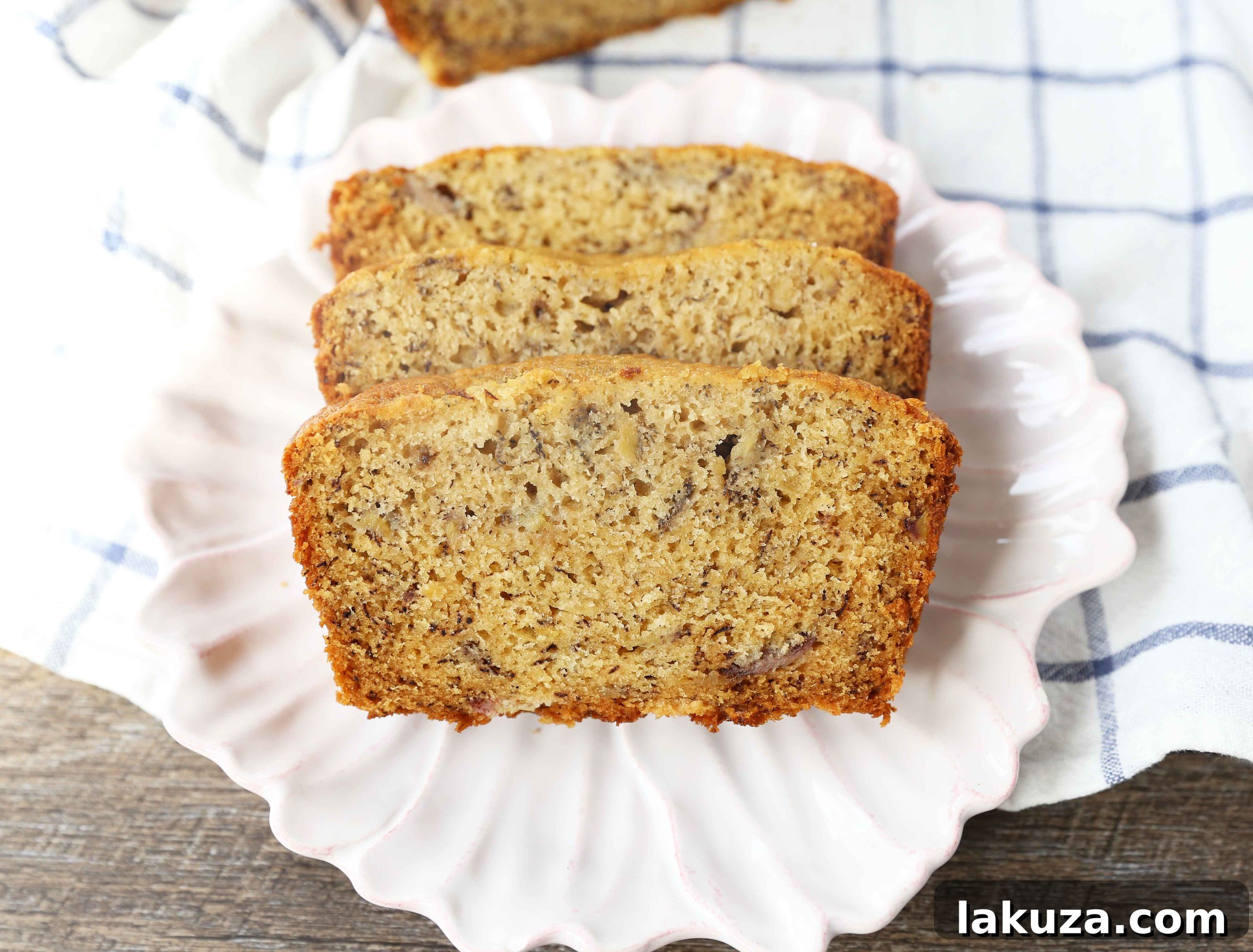
Key Ingredients for Exceptional Banana Bread
Crafting the perfect banana bread starts with understanding the role each ingredient plays. While the list might seem standard, the quality and preparation of these components are crucial for achieving that ultimate moist and flavorful result. Here’s what you’ll need:
- Unsalted Butter (softened): Provides a rich, classic flavor and contributes to the tender crumb. Softened butter creams beautifully with sugar, incorporating air for a lighter texture.
- Neutral Oil (such as canola or vegetable oil): The secret weapon for superior moisture. Oil remains liquid at room temperature, keeping the bread incredibly moist long after it cools, without adding a heavy flavor.
- Granulated Sugar: Sweetens the bread and helps create a delicate texture by interacting with other ingredients during creaming and baking.
- Large Eggs: Act as a binder, provide structure, and add richness to the batter. Ensure they are at room temperature for better emulsification.
- Pure Vanilla Extract: Enhances the overall flavor profile, adding a warm, aromatic note that complements the banana beautifully.
- Very Ripe Bananas: The star of the show! These should be spotted or even mostly brown. The riper the bananas, the sweeter and more intense their flavor, and the softer they are, contributing significantly to the bread’s moisture.
- Full-Fat Sour Cream: A game-changer for texture. Sour cream adds a tangy richness and an acidic element that reacts with baking soda, promoting a tender, incredibly moist crumb. Its fat content also contributes to a luxurious mouthfeel.
- All-Purpose Flour: The primary dry ingredient, providing structure to the bread. Measuring correctly is essential—spoon it into the measuring cup and level it off.
- Baking Soda: A leavening agent that helps the bread rise. It reacts with the acidic sour cream and bananas, creating carbon dioxide bubbles for a light and airy texture.
- Salt: A pinch of salt balances the sweetness and enhances all the other flavors, making them pop.
- Brown Sugar (for topping, optional but highly recommended): Sprinkling brown sugar on top during the final minutes of baking creates a delightful caramelized crust, adding an extra layer of sweetness and texture.
The Secrets to Unforgettable Banana Bread: Expert Tips
Mastering Moisture and Flavor:
The quest for the ultimate banana bread often boils down to a few critical techniques and ingredient choices. Here’s how to ensure your loaf is always perfectly moist and packed with flavor:
- The Dynamic Duo: Butter and Oil: This combination is the foundation of our bread’s incredible texture and taste. Butter contributes that classic, rich, buttery flavor we all love in baked goods, while oil is the unsung hero for unparalleled moisture. Unlike butter, oil is 100% fat and remains liquid even after cooling, preventing the bread from drying out. Together, they offer the best of both worlds: deep flavor and lasting moisture.
- The Magic of Sour Cream: Don’t skip the full-fat sour cream! It’s a key ingredient for achieving a supremely tender and creamy texture. The acidity in sour cream reacts with baking soda, which helps tenderize the gluten in the flour, resulting in a softer crumb. Its fat content also adds richness and moisture without making the bread greasy. If you don’t have sour cream, plain full-fat Greek yogurt can be a good substitute.
- Embrace the Brown Spots: The Riper, The Better: This cannot be stressed enough—use very ripe bananas! We’re talking about bananas with significant brown spots or even entirely brown peels. As bananas ripen, their starches convert to sugars, intensifying their sweetness and banana flavor. Overripe bananas are also softer and release more moisture, contributing directly to a deliciously moist loaf. If your bananas are still bright yellow, let them sit on your counter for a few more days, or speed up the ripening process by baking them in their peels on a baking sheet at 300°F (150°C) for 15-30 minutes until they turn black.
- Precision Mixing: Avoid Overmixing: Once you add the dry ingredients to the wet ingredients, mix just until they are combined. Overmixing develops the gluten in the flour too much, which can lead to a tough, chewy, and less tender banana bread. A few streaks of flour are perfectly fine—they will disappear during baking.
- The Loaf Pan Matters: A good quality loaf pan can make a difference. We recommend an 8.5 x 4.5 x 2.75-inch aluminum loaf pan (like the USA Pan brand) for even baking and a beautiful golden crust. Darker pans can sometimes lead to faster browning, so adjust baking time accordingly.
- Foil Tent for Even Baking: Halfway through the baking process (around 20-25 minutes), cover your banana bread loosely with aluminum foil, tenting it slightly so it doesn’t touch the top of the rising bread. This prevents the top and edges from browning too quickly or even burning, while allowing the inside to continue cooking thoroughly and developing its moist texture.
- Caramelized Brown Sugar Topping: For an extra special touch, sprinkle about 1/4 cup of brown sugar evenly over the top of your banana bread during the last 5-10 minutes of baking. The heat from the oven will caramelize the sugar, creating a wonderfully sweet, slightly crunchy, and glistening crust that adds another layer of flavor and appeal.
If you’re looking to explore different banana bread variations, we’ve got you covered. Adding chocolate chips is a popular choice for good reason:
Indulgent Chocolate Chip Banana Bread Recipe (includes a muffin variation!)
And for those who appreciate a cult classic, don’t miss the recipe for the renowned Flour Bakery Best Banana Bread.
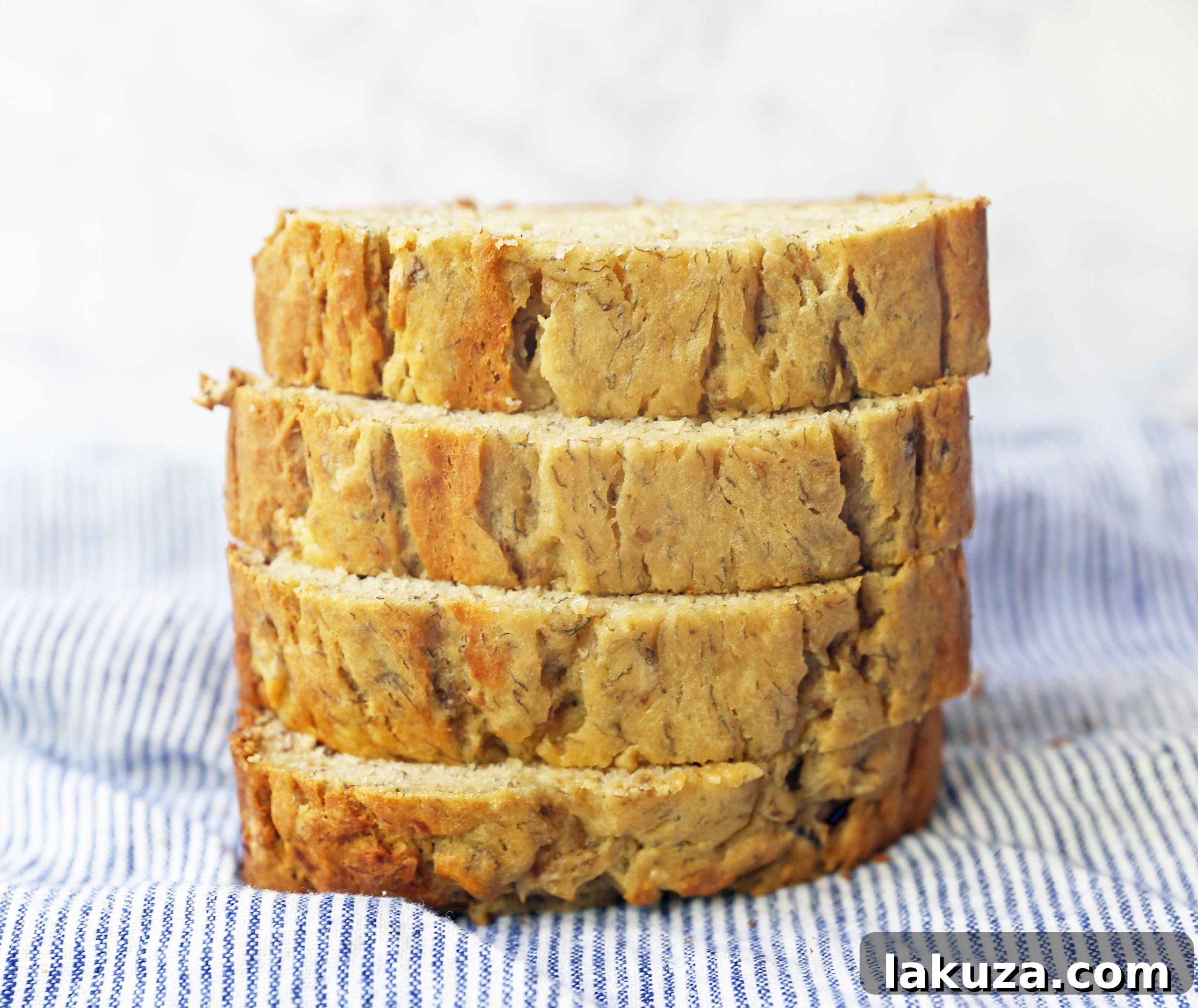
Step-by-Step Guide: How to Bake the BEST Banana Bread
Follow these detailed steps to ensure your banana bread turns out perfectly moist and flavorful, a true testament to homemade baking.
- Prepare Your Oven and Pan: Begin by preheating your oven to 350°F (175°C). Lightly grease an 8.5 x 4.5 x 2.75-inch loaf pan with butter or baking spray. This ensures your bread releases easily after baking.
- Cream the Fats and Sugar: In a large mixing bowl (using a stand mixer with a paddle attachment or an electric hand mixer is ideal), combine the softened butter, neutral oil, and granulated sugar. Beat them together on medium speed for 3-4 minutes. This crucial step is called creaming, and it incorporates air into the mixture, which is vital for a light and tender crumb. The mixture should become noticeably lighter in color and fluffy in texture.
- Incorporate Wet Ingredients: Add the large eggs, one at a time, beating well after each addition until fully incorporated. Stir in the pure vanilla extract. Next, add your mashed, very ripe bananas and the full-fat sour cream. Mix on low speed until just combined. Be careful not to overmix at this stage; you just want everything to be evenly distributed.
- Fold in Dry Ingredients: In a separate medium bowl, whisk together the all-purpose flour, baking soda, and salt. Gradually add the dry ingredients to the wet ingredients, mixing on the lowest speed of your mixer or by hand with a spatula. Mix *just* until no streaks of flour remain. As mentioned earlier, overmixing will develop gluten, leading to a tough bread, so stop as soon as it’s combined.
- Fill the Loaf Pan: Pour the prepared batter evenly into your greased loaf pan. You can gently tap the pan on the counter a couple of times to settle the batter and remove any large air pockets.
- Initial Baking Phase: Place the loaf pan in the preheated oven and bake for 20-25 minutes. During this initial phase, the bread will begin to rise and set its structure.
- Foil Tent and Continue Baking: After 20-25 minutes, carefully remove the loaf pan from the oven. Gently create a loose “tent” over the bread with aluminum foil, ensuring the foil doesn’t touch the surface of the bread to allow for continued rising. Return to the oven and continue baking for another 30-35 minutes. This foil tent prevents the top from over-browning while the center finishes cooking.
- Add Brown Sugar Topping (Optional): During the last 5-10 minutes of baking, remove the foil and sprinkle the brown sugar evenly over the top of the bread. Return it to the oven uncovered to allow the sugar to melt and caramelize, forming a beautiful, slightly crunchy crust.
- Check for Doneness: The banana bread is ready when a wooden toothpick or cake tester inserted into the center comes out clean or with only a few moist crumbs attached. If it’s still wet, bake for another 5-10 minutes, checking again.
- Cooling Process: Once baked, remove the loaf pan from the oven and let it cool in the pan on a wire rack for about 15 minutes. This allows the bread to set and makes it easier to remove. After 15 minutes, carefully invert the pan to remove the loaf and place it directly on the wire rack to cool completely before slicing. Slicing too early can cause the bread to crumble.
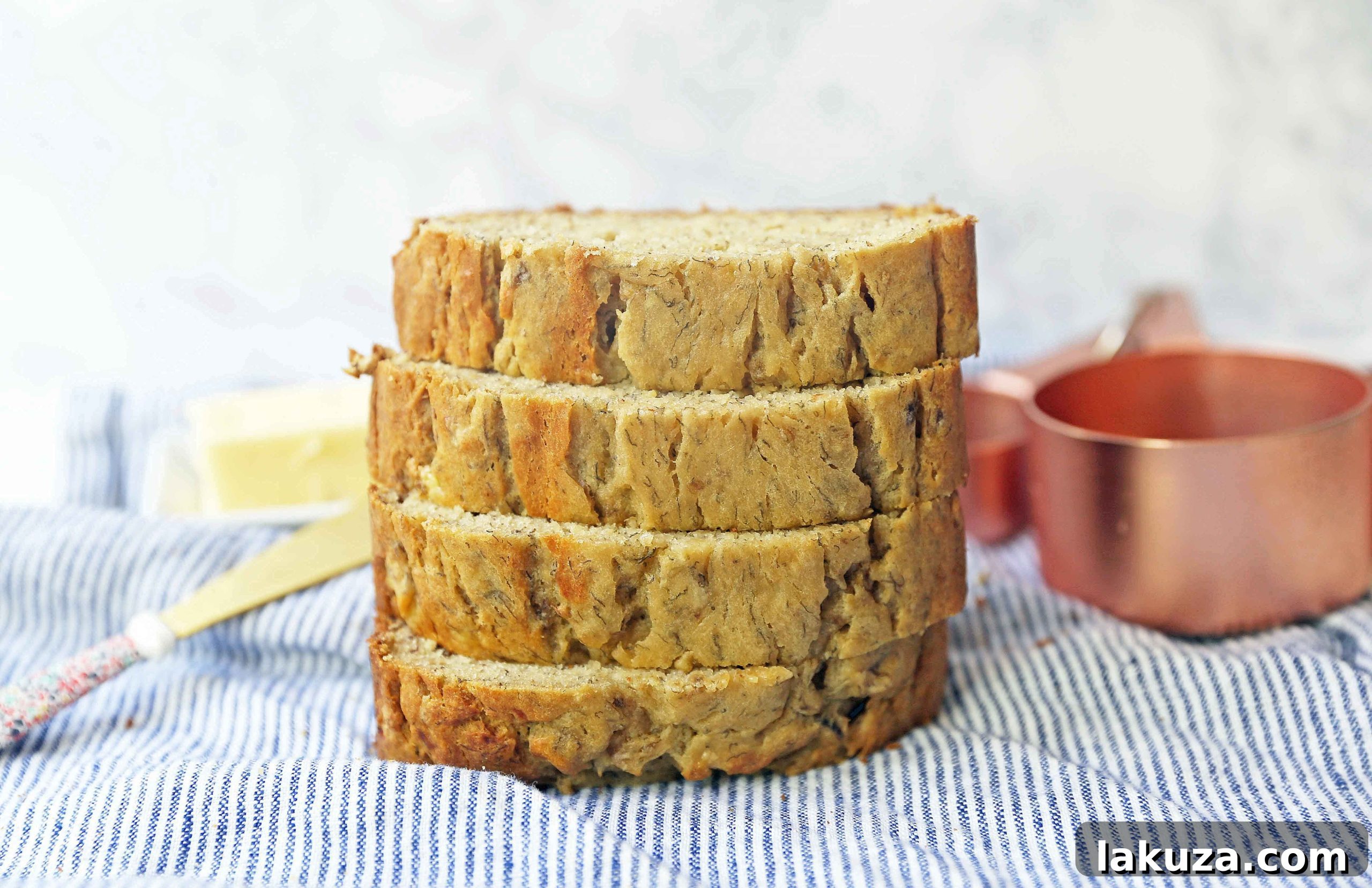
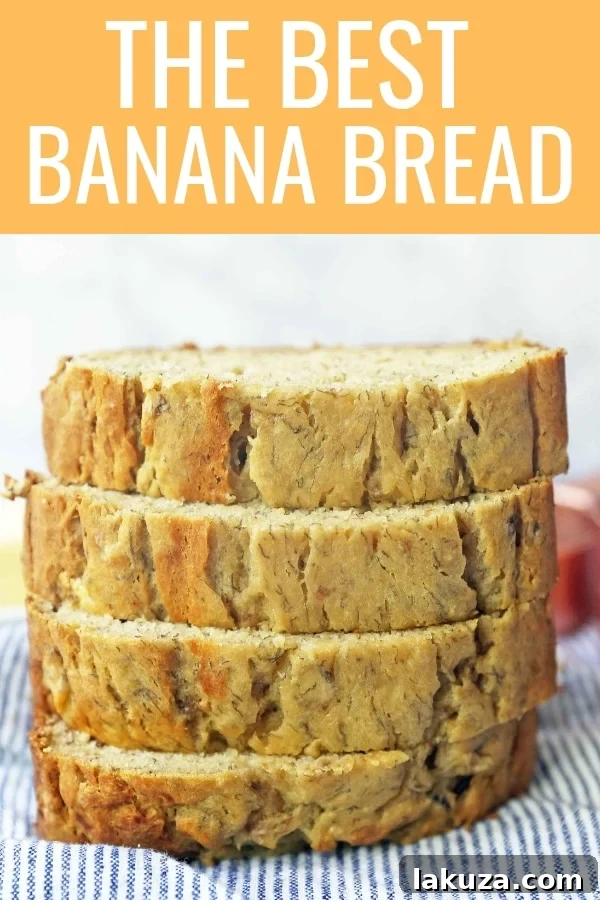
And there you have it—a perfectly baked, incredibly moist, and wonderfully flavorful banana bread, ready to be devoured!
Serving Suggestions and Storage Tips
Once your irresistible banana bread has cooled, it’s ready to be enjoyed! Slice it thick and serve it warm or at room temperature. It’s truly divine on its own, but here are some popular ways to elevate the experience:
- Classic with Butter: A simple spread of softened butter is all you need to complement the rich flavors.
- Sweet Spreads: Try it with a dollop of cream cheese, a smear of fruit jam, or a drizzle of honey.
- With Coffee or Tea: It’s the perfect companion for your morning coffee or an afternoon tea break.
- A la Mode: For a decadent dessert, warm a slice slightly and top with a scoop of vanilla bean ice cream.
Storage Tips:
To keep your banana bread fresh and moist, proper storage is key:
- Room Temperature: Store leftover banana bread tightly wrapped in plastic wrap or in an airtight container at room temperature for up to 3-4 days. The moisture from the oil and sour cream helps it stay fresh longer.
- Refrigeration: While not strictly necessary, you can refrigerate banana bread if your kitchen is particularly warm, or if you prefer it chilled. Wrap it tightly to prevent it from drying out, and it will last for about a week.
- Freezing: Banana bread freezes beautifully! Once completely cooled, wrap the entire loaf or individual slices tightly in plastic wrap, then again in aluminum foil. Place in a freezer-safe bag. It can be frozen for up to 3 months. Thaw at room temperature or warm gently in the microwave or oven.
Frequently Asked Questions About Banana Bread
- Can I use yellow bananas instead of very ripe ones?
- While you can, your banana bread won’t be as sweet or moist. Very ripe bananas are crucial for intense flavor and a super moist texture. If your bananas aren’t ripe enough, see the tip above about quick-ripening them in the oven.
- What if my banana bread sinks in the middle?
- This is a common issue! It usually means the bread isn’t fully cooked through. Make sure your oven temperature is accurate (an oven thermometer can help), and always test for doneness with a toothpick inserted into the center. Another cause can be overmixing the batter or using too much leavening agent.
- Can I add nuts or chocolate chips?
- Absolutely! This recipe is incredibly versatile. Fold in 1/2 to 1 cup of chopped walnuts, pecans, or chocolate chips (or a combination!) with the dry ingredients. Adjust the amount to your preference.
- Is there a substitute for sour cream?
- Full-fat plain Greek yogurt is an excellent substitute for sour cream, offering similar tanginess, moisture, and tenderizing properties. Buttermilk can also work, but reduce other liquids slightly if using.
- Why is my banana bread dry?
- Common culprits for dry banana bread include overbaking, not using enough fat (which our butter and oil combination expertly addresses), or using bananas that aren’t ripe enough (which don’t contribute enough moisture).
Explore More Delicious Banana Recipes:
Flour Bakery Banana Bread
Chocolate Chip Banana Bread
Jeff’s BEST Banana Cake Recipe
Easy Banana Cream Pie
Recipe Card: The Ultimate Moist Banana Bread
Print Recipe
Banana Bread
The BEST Banana Bread Recipe. How to make the perfect moist and flavorful banana bread recipe that is worthy of being slathered in butter. This recipe delivers a tender crumb and rich banana flavor every time!
Equipment
- Stand Mixer or Hand Mixer
- Bread Loaf Pan (8.5×4.5×2.75 inch recommended)
- Mixing Bowl Set
- Measuring Cups and Spoons
Ingredients
- 4 Tablespoons Unsalted Butter (softened)
- 1/4 cup Neutral Oil (such as canola oil)
- 1 cup Granulated Sugar
- 2 large Eggs
- 2 teaspoons Pure Vanilla Extract
- 3 Very Ripe Bananas (mashed)
- 1/4 cup Full-Fat Sour Cream
- 1 3/4 cups All-Purpose Flour
- 1 teaspoon Baking Soda
- 1/2 teaspoon Salt
- 1/4 cup Brown Sugar (to sprinkle on top during the last 5-10 minutes of baking, optional)
Instructions
- Preheat oven to 350°F (175°C). Lightly grease an 8.5 x 4.5 x 2.75-inch loaf pan.
- In a large bowl, cream together the softened butter, oil, and granulated sugar for 3-4 minutes until light and fluffy.
- Add the eggs one at a time, beating well after each. Stir in the vanilla extract. Then, add the mashed ripe bananas and sour cream. Mix until just combined.
- In a separate bowl, whisk together the flour, baking soda, and salt. Gradually add the dry ingredients to the wet ingredients, mixing until just combined. Do not overmix.
- Pour the batter into the prepared loaf pan.
- Bake for 50-60 minutes, or until a toothpick inserted into the center comes out clean.
- After about 20-25 minutes of baking, cover the top of the bread loosely with aluminum foil (tent it) to prevent it from browning too quickly.
- During the last 5-10 minutes of baking (after removing the foil), sprinkle the brown sugar over the top of the bread for a caramelized crust, if desired.
- Once baked, remove from the oven and let cool in the pan on a wire rack for 15 minutes before carefully removing the loaf and allowing it to cool completely on the rack before slicing.
Nutrition information is automatically calculated, so should only be used as an approximation.
Additional Info
Like this? Leave a comment below!
Jump to Comments
We absolutely love hearing from you! If you decide to make this incredibly moist and flavorful banana bread, please don’t hesitate to leave a comment below and give this recipe a rating. Your feedback helps us and other home bakers discover new favorites. For more delicious recipes and baking tips, be sure to sign up for our newsletter so you never miss an update. Thank you for following along and being part of our baking community! We truly have the greatest readers. FOLLOW US ON: INSTAGRAM — FACEBOOK — PINTEREST