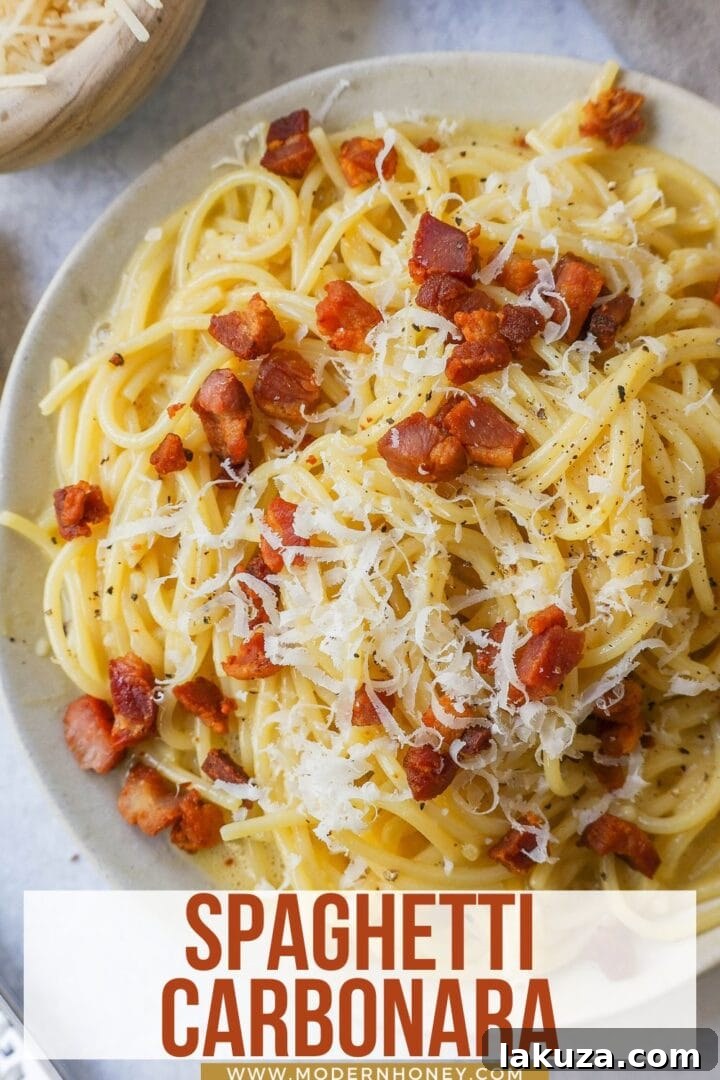
The Quintessential Guide to Authentic Spaghetti Carbonara from Scratch
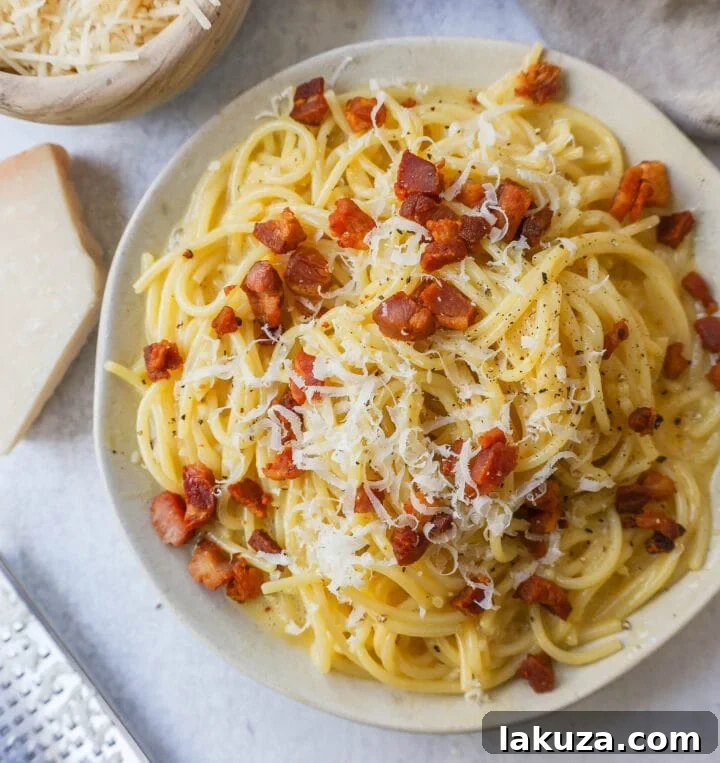
There’s an undeniable magic in the simplicity of true Spaghetti Carbonara. A hallmark of Roman cuisine, this iconic pasta dish is renowned for its harmonious blend of few, yet high-quality ingredients, transforming them into an extraordinary culinary experience. Forget heavy creams or extraneous vegetables; authentic carbonara relies on the sheer alchemy of eggs, hard cheese, cured pork, black pepper, and pasta, elevated by meticulous technique.
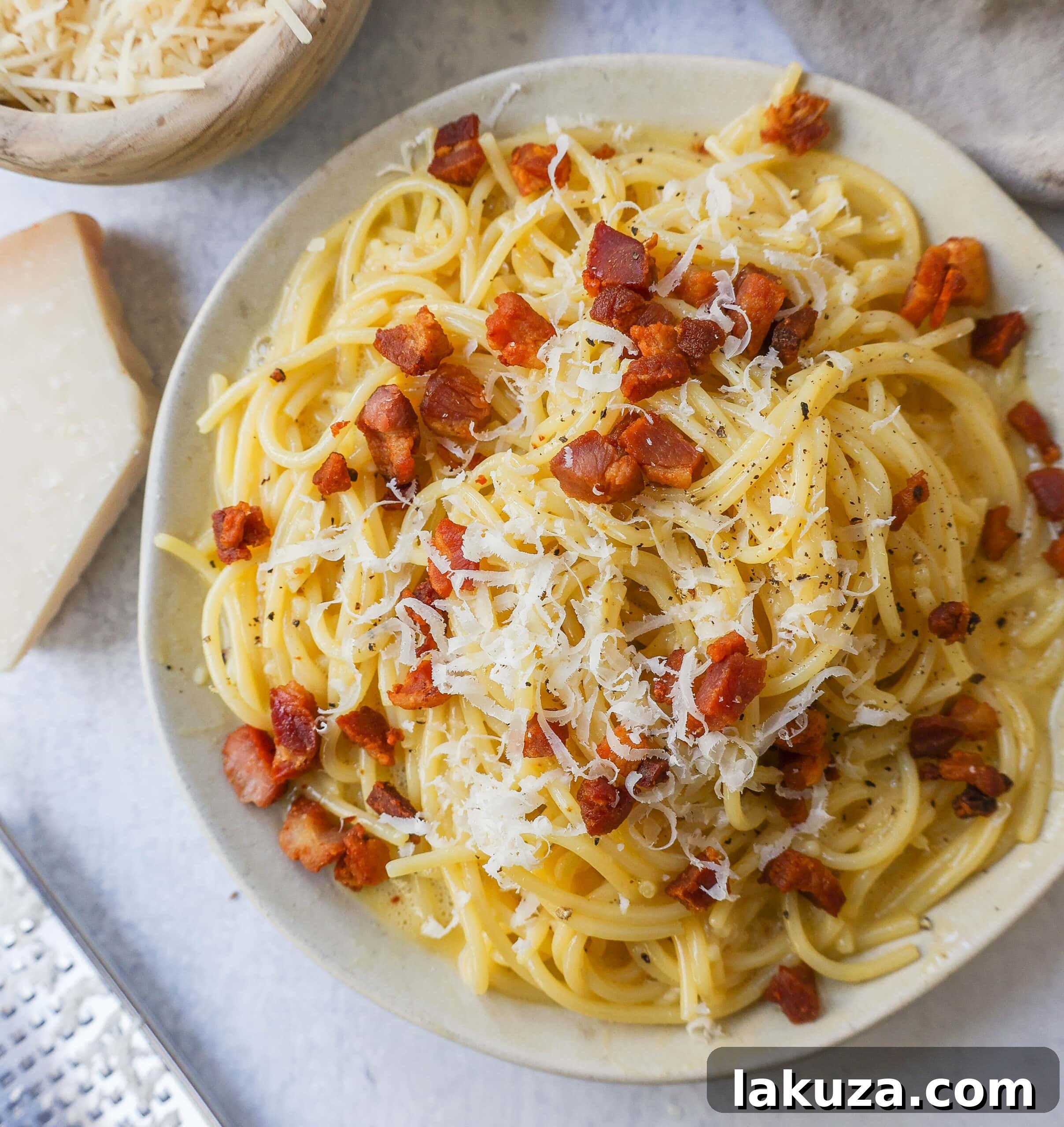
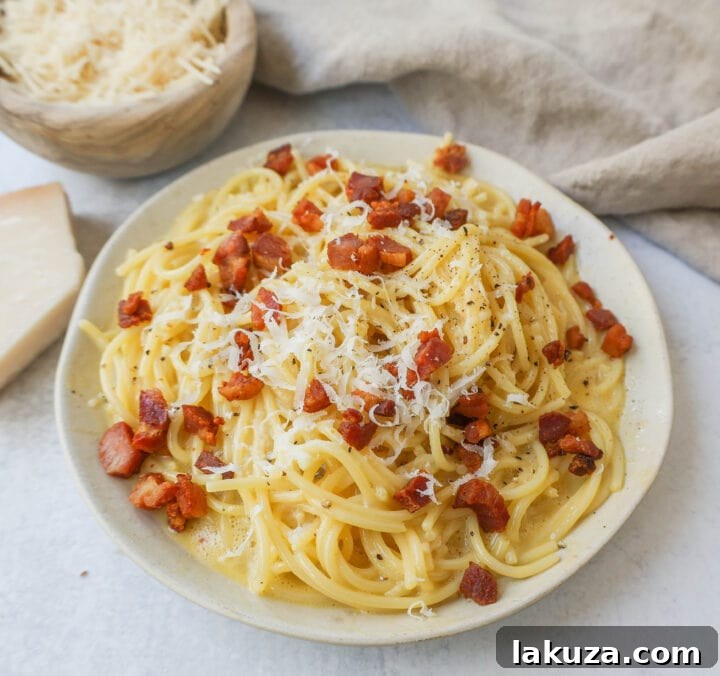
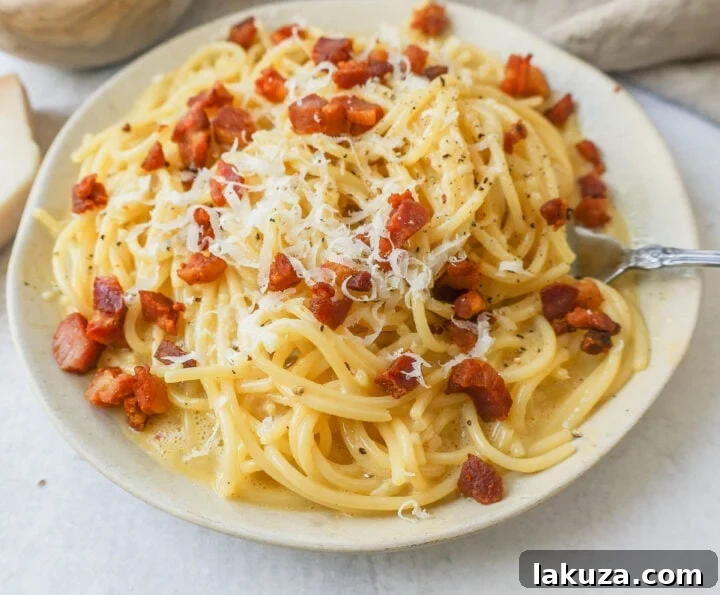
At its heart, Spaghetti Carbonara is a testament to the idea that less is truly more. Imagine perfectly al dente spaghetti noodles, lovingly coated in a luxuriously creamy emulsion formed from nutty Parmigiano Reggiano (or its sharper cousin, Pecorino Romano) cheese and velvety egg yolks. This rich, golden sauce is then studded with crisp, savory bits of pancetta or guanciale, and finished with a generous shower of freshly cracked black pepper. The delightful interplay of salty, savory, and creamy textures makes for an utterly satisfying and unforgettable meal. This isn’t just a recipe; it’s an homage to Italian culinary tradition, promising the best spaghetti carbonara you’ll ever make at home.
The Roman Roots of a Global Favorite
Tracing its origins back to Rome, Italy, Spaghetti Carbonara stands as a pillar of Italian gastronomy. While its exact history is debated, many believe it emerged post-World War II, possibly as an adaptation of American soldiers’ rations (bacon and eggs) using local Italian ingredients. Regardless of its precise birth, what remains constant is its unwavering commitment to a handful of premium ingredients. The magic truly happens when these elements interact, creating a sauce that’s both deeply flavorful and surprisingly light, without the need for any added cream. Achieving this balance and depth of flavor with just five core ingredients is a culinary marvel that can be mastered in less than 30 minutes, from prep to plate.
Over years of dedicated culinary exploration and countless kitchen experiments, this carbonara pasta recipe has been meticulously refined to capture the essence of its Roman heritage. Each step, from the quality of the cheese to the technique of emulsifying the sauce, has been tested and perfected to deliver a consistently authentic and utterly delicious result. Prepare to elevate your pasta nights with a dish that consistently earns its title as the best pasta carbonara recipe.
Essential Ingredients for Authentic Carbonara
The beauty of Carbonara lies in its simplicity, demanding only the finest quality ingredients to truly shine. Each component plays a vital role in creating the iconic flavor and texture:
- Parmigiano Reggiano or Pecorino Romano Cheese: This is arguably the most critical ingredient, forming the foundation of your creamy sauce. We highly recommend purchasing a wedge of authentic cheese and grating it fresh. Pre-grated cheeses often contain anti-caking agents that hinder proper melting and can result in a grainy sauce, compromising the smooth, luxurious texture you’re aiming for. Parmigiano Reggiano offers a nutty, milder profile, while Pecorino Romano delivers a sharper, saltier kick. A blend of both is also a popular choice among connoisseurs.
- Spaghetti Pasta: While other pasta shapes can certainly be used, spaghetti remains the most traditional and universally beloved choice for carbonara. Its long, slender strands are ideal for coating evenly with the rich, emulsified sauce, ensuring every bite is a perfect blend of flavors. Look for high-quality durum wheat pasta for the best texture.
- Eggs: The heart of the carbonara sauce. A precise combination of rich egg yolks and a single whole egg provides the perfect balance of creaminess and structure. The yolks contribute to the sauce’s characteristic golden hue and luxurious texture, while the whole egg adds a slight thickening quality, helping to create a cohesive and glossy coating for the pasta.
- Pancetta or Guanciale: The savory backbone of carbonara. In Italy, especially in Rome, guanciale (cured pork cheek) is the traditional choice, prized for its unique flavor and the rendered fat that forms the base of the sauce. However, high-quality pancetta (cured pork belly) is an excellent and more readily available alternative that still delivers the essential salty, savory notes and crispy texture crucial to a classic carbonara. Avoid lean cuts; you need that rendered fat!
- Black Pepper: Freshly ground black pepper is not merely a seasoning; it’s an integral ingredient in traditional carbonara sauce, often referred to as “carbonata” due to its resemblance to coal flecks. Its pungent, aromatic bite cuts through the richness of the cheese and pork, adding a layer of complexity and a characteristic spicy finish. Be generous with the black pepper – it’s meant to be noticed!
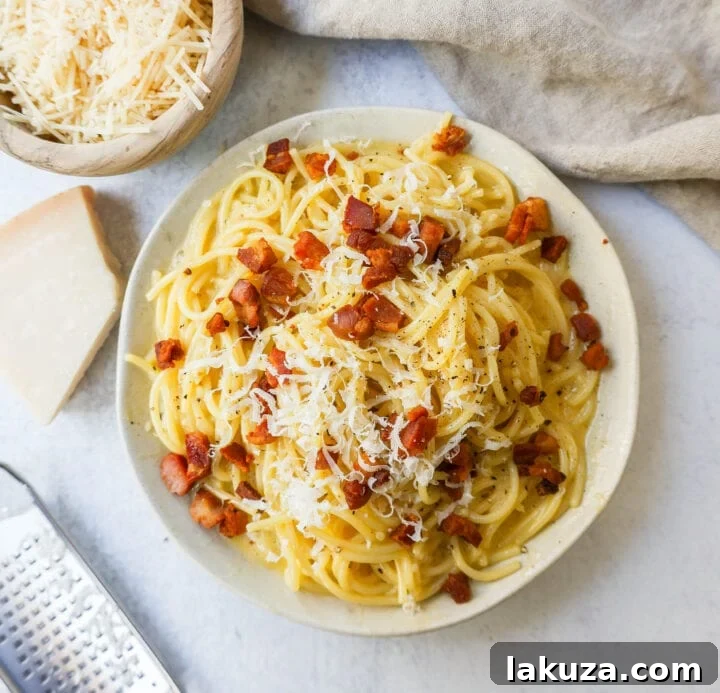
Understanding Substitutions: Maintaining Carbonara’s Integrity
While classic carbonara is defined by its core five ingredients, sometimes substitutions are necessary. It’s important to understand how these changes might affect the traditional flavor profile:
- Pancetta or Guanciale Alternatives: If authentic pancetta or guanciale is unavailable, thick-cut, high-quality bacon can be used as a substitute. While bacon introduces a smokier flavor profile that isn’t traditional, it still provides the essential salty pork fat and crispy texture needed for the dish. Ensure it’s not overly smoked to maintain a balance of flavors.
- Garlic: Some modern carbonara recipes include garlic, but it’s not present in a truly traditional Italian carbonara. The simplicity of the dish allows the core ingredients to shine without competition. If you absolutely adore garlic, a subtle hint can be achieved by briefly sautéing 1-2 finely minced garlic cloves with the pork. Be careful not to let it brown, as burnt garlic can taste bitter and overpower the delicate flavors of the cheese and eggs.
- Heavy Cream: This is perhaps the most common misconception and deviation from classic carbonara. Authentic carbonara achieves its creamy texture solely through the emulsification of egg yolks, cheese, and starchy pasta water. Heavy cream is explicitly excluded from traditional recipes. Adding cream makes a different, albeit delicious, pasta dish but it is not carbonara. The beauty of the dish lies in its natural richness. If you find the sauce too thick, the solution is always more reserved pasta water, which aids in emulsification and adds flavor, rather than cream.
- Fresh Herbs: Classic spaghetti carbonara is garnished simply with a final flourish of freshly ground black pepper and freshly grated Pecorino Romano or Parmigiano Reggiano cheese. Fresh herbs like parsley or basil are not typically used in traditional carbonara. Their bright, herbaceous flavors, while delicious in other pasta dishes, would distract from the pure, savory essence of carbonara.
Mastering the Art: How to Make Spaghetti Carbonara
- Prepare the Pasta Water: Begin by bringing a large pot of water (approximately 6 quarts) to a rolling boil over high heat. Add a generous amount of salt to the water – it should taste like the sea. This not only seasons your pasta but also contributes to the flavor of the final sauce. Add the spaghetti and cook according to package instructions until perfectly al dente. Just before draining, reserve at least 1 cup of the starchy pasta water. This water is liquid gold; its starches are crucial for emulsifying the sauce and creating that signature creamy texture.
- Crisp the Pork: While the spaghetti is cooking, dice your pancetta, guanciale, or bacon into small, even pieces. In a large skillet (ideally non-stick), cook the pork over medium heat until it is beautifully golden brown and crispy, and has rendered a good amount of its fat. This fat is integral to the carbonara’s flavor. Once cooked, remove the crispy pork bits with a slotted spoon and set them aside on a paper towel-lined plate to drain any excess fat. Keep the rendered fat in the skillet.
- Prepare the Egg and Cheese Mixture: In a medium-sized bowl, whisk together the egg yolks and the whole egg. Gradually add the freshly grated Parmigiano Reggiano (or Pecorino Romano) cheese, stirring vigorously until a thick, uniform paste forms. Incorporate a generous amount of freshly ground black pepper into this mixture. The consistency should be thick but pourable; if it’s too dry, a tiny splash of pasta water can loosen it slightly.
- Combine and Emulsify: This is the crucial step where the magic happens. Once the pasta is al dente, drain it immediately (do not rinse!) and add it directly to the skillet with the rendered pork fat (remove the skillet from heat first). Toss the spaghetti to coat it in the flavorful fat. Quickly add the crispy pork bits back to the pasta. Now, off the heat, gradually ladle in the egg and cheese mixture, a little at a time, continuously tossing the pasta with tongs. The residual heat from the pasta and the skillet, combined with the starchy pasta water (which you’ll add as needed), will cook the eggs just enough to create a silky, glossy sauce without scrambling them. Add the reserved pasta water sparingly, about 1/2 cup initially, continuously tossing until the sauce beautifully coats every strand of spaghetti. The goal is a luscious, creamy emulsion. If the sauce appears too thick, add a bit more pasta water, a tablespoon at a time, until the desired consistency is achieved.
- Serve Immediately: Carbonara is best enjoyed the moment it’s prepared. Serve generous portions in warm bowls, garnished with an extra dusting of freshly cracked black pepper and a final sprinkle of freshly grated cheese.
Essential Tips for Carbonara Perfection:
- Temperature Control is Key: The biggest challenge in making carbonara is preventing the eggs from scrambling. The trick is to ensure the pasta is hot enough to cook the eggs but not so hot that it scrambles them. Removing the skillet from direct heat before adding the egg mixture is crucial.
- Freshly Grate Your Cheese: As emphasized, this cannot be stressed enough. The quality and melt of fresh cheese are unparalleled.
- Don’t Skimp on Black Pepper: It’s a foundational flavor.
- Reserve Enough Pasta Water: Always keep more than you think you’ll need. It’s your secret weapon for a perfectly emulsified sauce.
Popular Pasta Recipes to Explore:
If you’ve fallen in love with the simplicity and flavor of Italian pasta, here are a few more favorite pasta dishes to add to your repertoire:
- Creamy Lemon Pasta: A bright and zesty dish, this pasta features a light yet creamy sauce made with fresh lemon juice, aromatic garlic, a hint of cream and butter, and rich Parmesan cheese, all perfectly tossed with your preferred pasta. It’s a refreshing choice that celebrates the vibrant flavor of fresh lemons.
- Fettuccine Alfredo: Indulge in classic comfort with fettuccine pasta generously coated in a decadent, homemade Alfredo sauce. This rich and creamy sauce is a timeless favorite for a reason, offering pure culinary bliss.
- Spaghetti Aglio e Olio: Experience the beauty of simplicity with this elegant Italian staple. Spaghetti is tossed with fragrant sautéed garlic, high-quality olive oil, a pinch of red pepper flakes for a subtle kick, and fresh parsley, creating a remarkably flavorful dish from minimal ingredients.
We absolutely love hearing about your culinary adventures! If you try this Spaghetti Carbonara recipe, please share your experience by leaving a comment and a rating below. Your feedback helps us grow and inspires other home cooks. If you capture any photos of your delicious creations, don’t forget to tag us on Instagram @modern_honey – it’s truly one of our favorite things to see our recipes come to life in your kitchen. To ensure you never miss out on new recipes and culinary inspiration, sign up for our newsletter. Thank you for being such an incredible part of our community; we genuinely have the greatest readers!
Spaghetti Carbonara
Modern Honey® – www.modernhoney.com
10 minutes
20 minutes
4
Equipment
-
Mixing Bowl Set
-
Non-Stick Skillet
Ingredients
- 4 ounces Pancetta (or Guanciale or Bacon, diced)
- 1 cup Parmigiano Reggiano (or Pecorino Romano, freshly grated)
- 3 large Egg Yolks
- 1 large Egg (whole)
- 12 ounces Spaghetti
- 1/4 teaspoon Black Pepper (freshly ground, plus more for serving)
- 1/2 cup Pasta Water (reserved from cooking pasta)
Instructions
-
Bring 6 quarts of water to a boil over high heat. Add a generous amount of salt to the pot. Stir the spaghetti into the boiling water. Cook the pasta according to package instructions until al dente. Reserve 1 cup of starchy pasta water before draining.
-
While pasta is cooking, cook the pancetta, guanciale, or bacon until crispy. Dice the pork into small pieces and cook in a large skillet over medium heat until golden brown and crispy. Drain the cooked pork on a paper towel-lined plate, reserving the rendered fat in the skillet.
-
In a bowl, stir together the egg yolks, whole egg, and freshly grated Parmigiano Reggiano cheese until well combined and a thick paste forms. Stir in the black pepper.
-
Once pasta is cooked, drain immediately (do not rinse!). Add the hot spaghetti to the skillet with the rendered pork fat (off the heat). Add the crispy pancetta (or guanciale) back to the pasta. Gradually ladle in the egg/cheese mixture, a little at a time, continuously tossing the pasta with tongs. The residual heat will emulsify the sauce. If needed, stir in 1/2 cup of the reserved pasta water, a tablespoon at a time, until the mixture coats the pasta in a creamy, glossy sauce.
-
Serve immediately with freshly cracked black pepper and freshly grated cheese.
Notes
- We strongly recommend freshly grating Parmigiano Reggiano or Pecorino Romano cheese. Pre-packaged grated parmesan often contains anti-caking agents which prevent it from melting smoothly into the sauce, resulting in a grainy texture.
- For the best results, use chopped, small pieces of high-quality pancetta, guanciale, or even thick-cut, unsweetened bacon.
- When your pasta is nearing completion, make sure to set aside at least 1 cup of the starchy pasta water. While this recipe typically uses about 1/2 cup, having extra allows you to adjust the sauce’s consistency if you desire a thinner or creamier texture.
Nutrition
Calories: 591kcal, Carbohydrates: 65g, Protein: 27g, Fat: 24g, Saturated Fat: 10g, Polyunsaturated Fat: 3g, Monounsaturated Fat: 9g, Trans Fat: 1g, Cholesterol: 220mg, Sodium: 764mg, Potassium: 300mg, Fiber: 3g, Sugar: 3g, Vitamin A: 457IU, Calcium: 340mg, Iron: 2mg
Nutrition information is automatically calculated, so should only be used as an approximation.
Additional Info
Dinner
Italian
4
591
carbonara, pasta carbonara, spaghetti carbonara
Like this? Leave a comment below!
Jump to Comments