
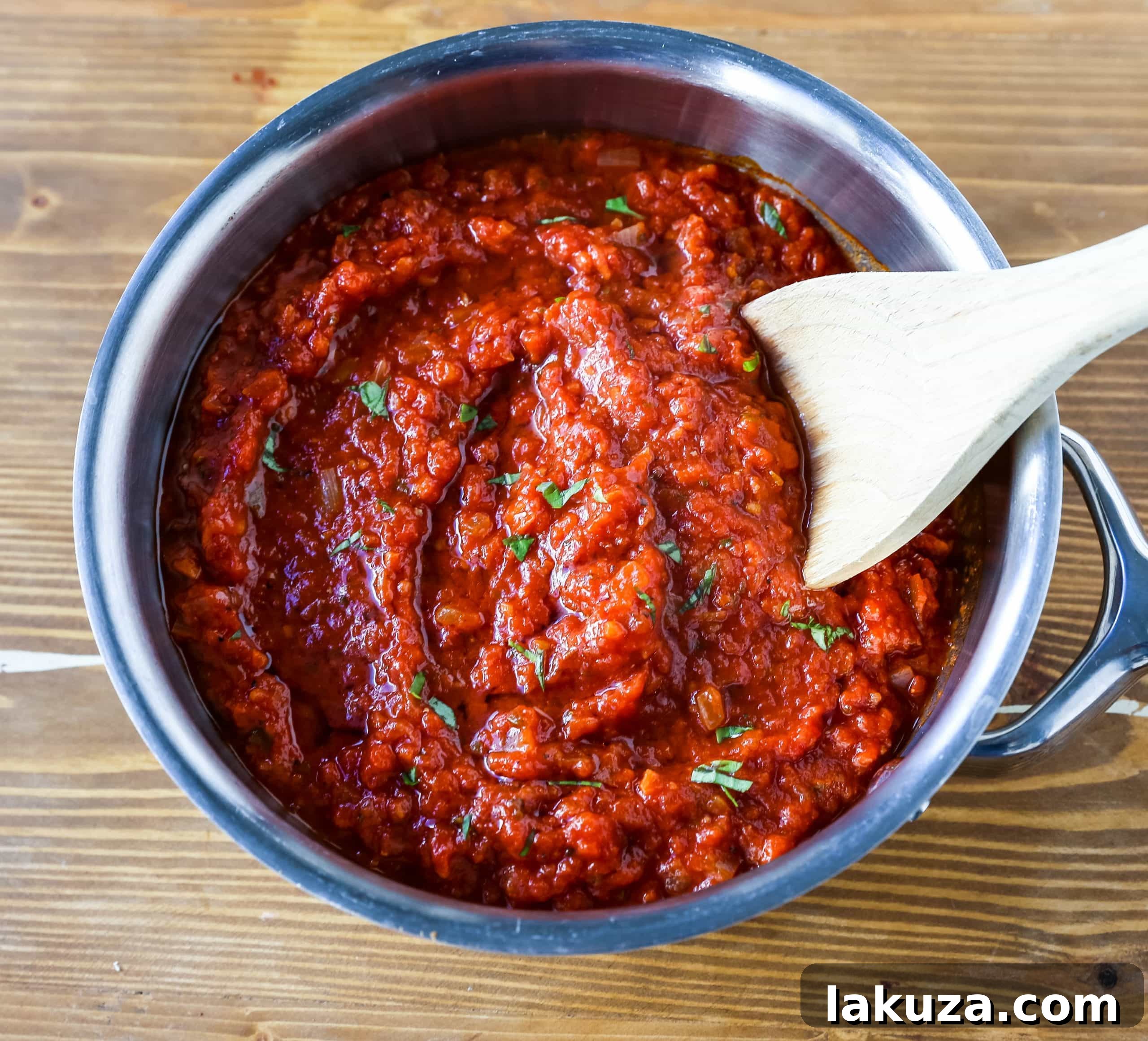
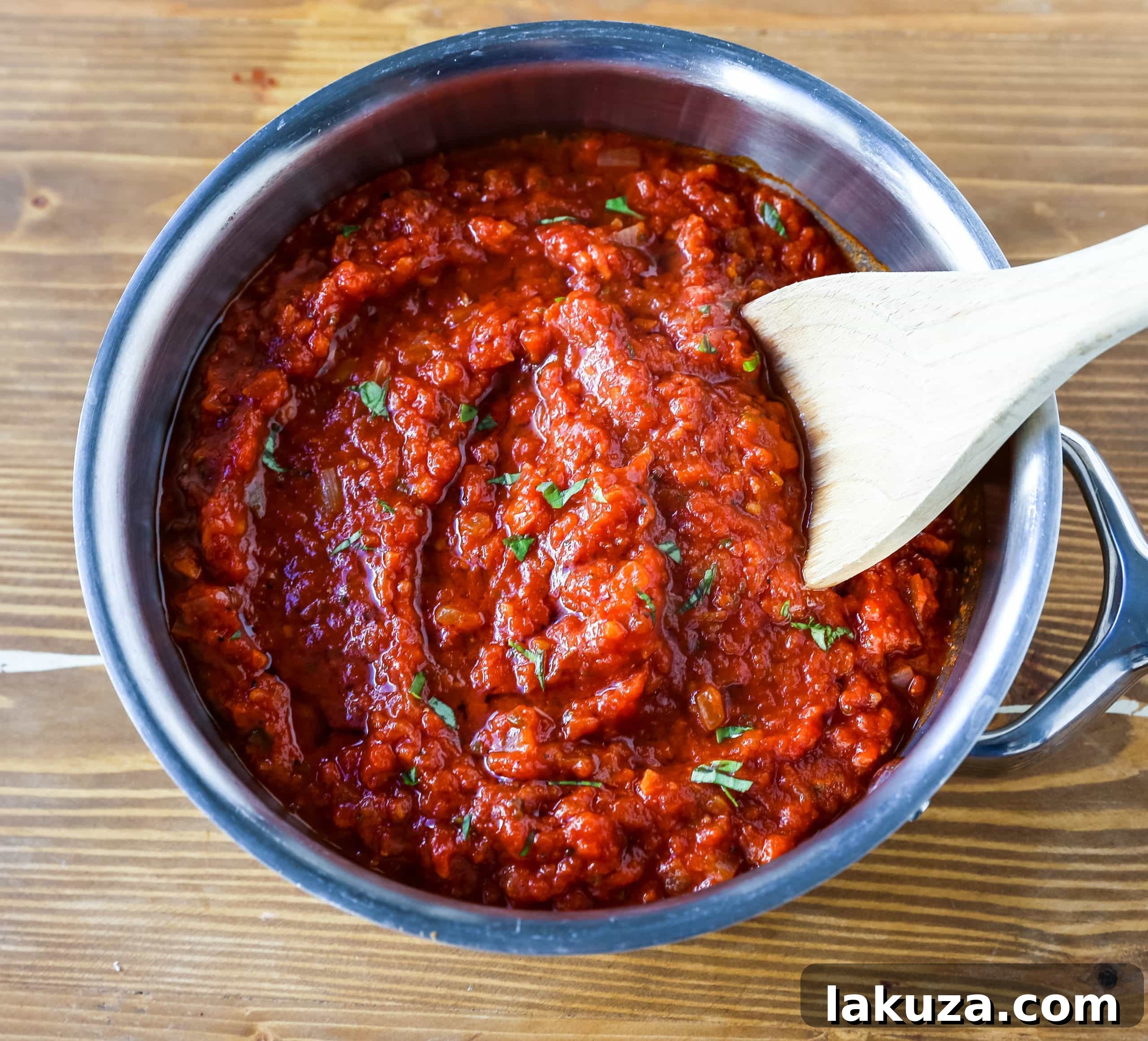
Authentic Classic Italian Tomato Sauce: The Ultimate Marinara Recipe
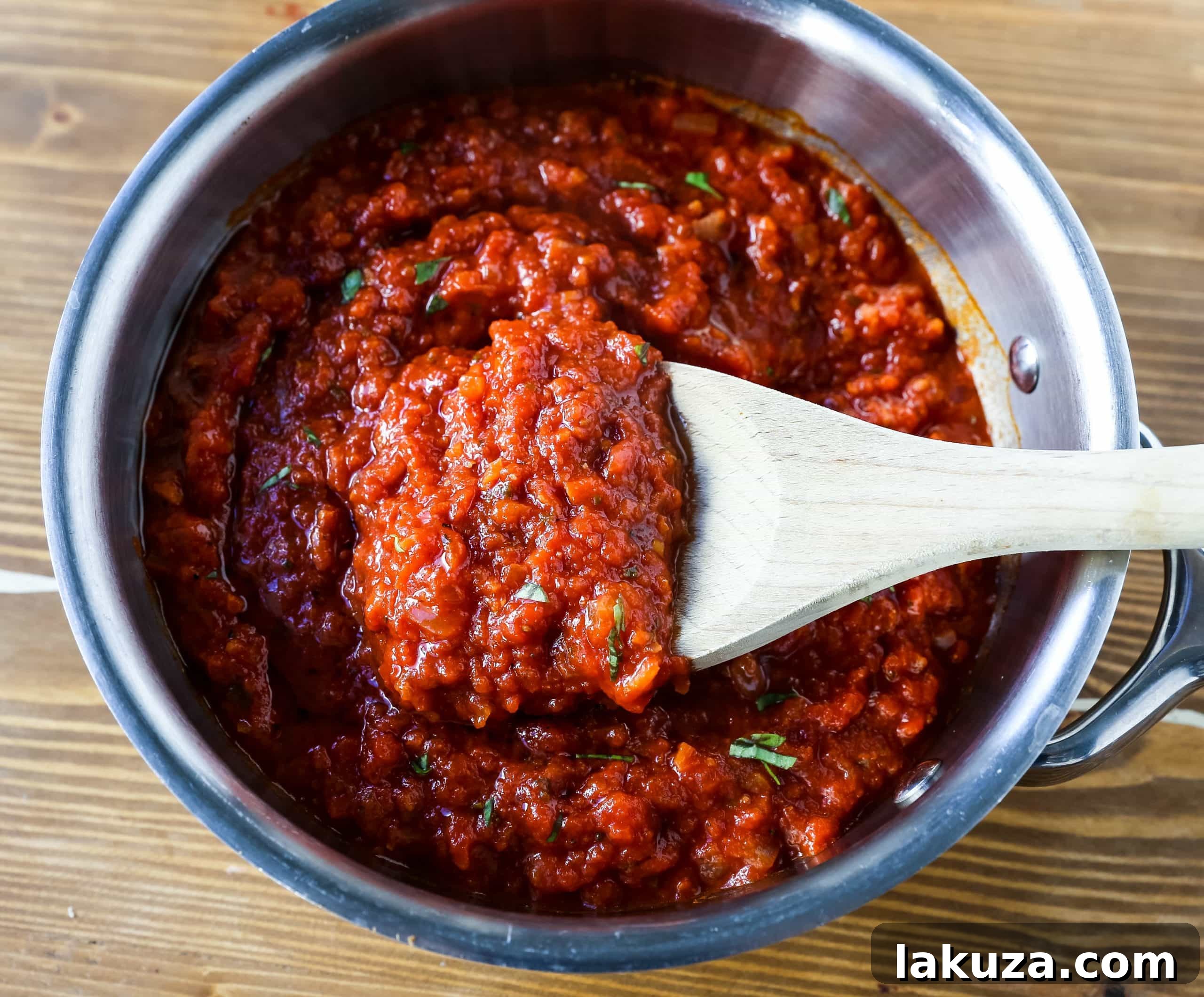
Discover the secret to a rich, flavorful, and truly authentic homemade tomato sauce. Crafted with premium San Marzano tomatoes, aromatic vegetables, fresh herbs, and a touch of spice, this versatile marinara is destined to become your go-to recipe for any Italian dish.
Every home chef yearns for that one essential recipe that forms the cornerstone of countless delicious meals. For many, this is an impeccable classic Italian tomato sauce. More than just a simple condiment, a truly great marinara sauce is a testament to the beauty of uncomplicated ingredients brought together with care and patience. This particular recipe promises an authentic Italian experience, brimming with the luscious depth of sun-ripened tomatoes and a symphony of aromatic Italian spices.
From the moment the first fragrant wafts fill your kitchen, you’ll understand why this isn’t just any tomato sauce. It’s a sauce so profoundly rich and flavorful, you’ll find yourself constantly sneaking spoonfuls directly from the pot. The anticipation alone builds the excitement for the magnificent meals it will soon enhance. It’s an indulgence of pure, concentrated Italian goodness that transforms ordinary weeknight dinners into extraordinary culinary experiences.
The Versatility of a Perfect Marinara
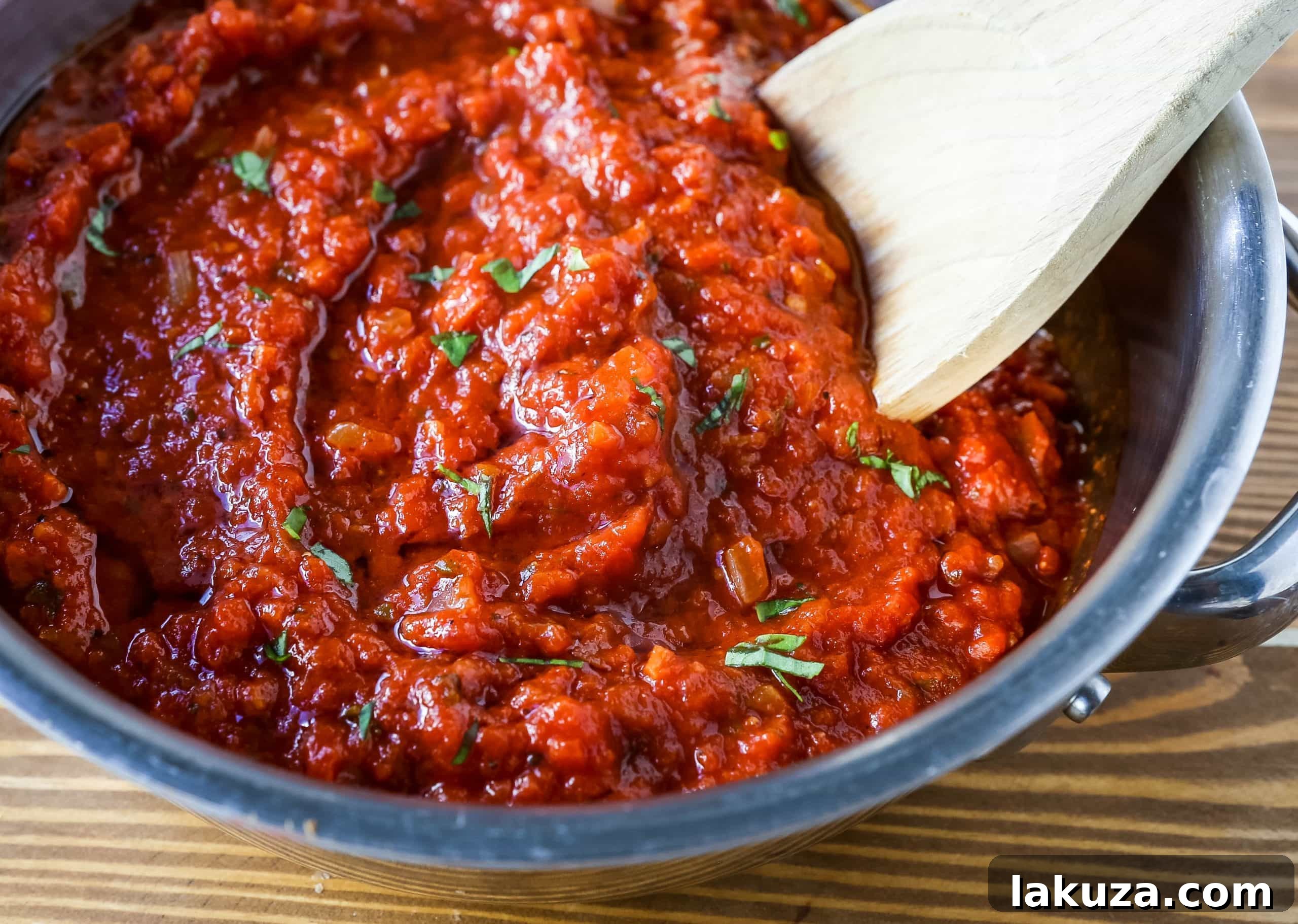
One of the most appealing aspects of this homemade Italian marinara sauce is its incredible versatility. While it effortlessly elevates fresh pasta dishes like delicate spaghetti, fine angel hair, or hearty rigatoni, its potential extends far beyond. Imagine it draped generously over golden-brown chicken parmesan, enriching every bite with its robust flavor. For those who enjoy a heartier meal, this sauce provides an excellent foundation for creating a delectable meat sauce by simply incorporating Italian sausage or ground beef, simmering to infuse the flavors.
Beyond the classic pairings, this sauce is equally at home as a base for lasagna, a vibrant topping for homemade pizza, or even a sophisticated dipping sauce for crusty bread or crispy arancini. Its ability to adapt to so many culinary applications makes it an indispensable staple, a sauce you’ll want readily available in your refrigerator at all times. It’s the ultimate culinary Swiss Army knife for Italian cuisine.
The Heart of the Sauce: San Marzano Tomatoes
The beauty of this particular recipe truly lies in its foundation: high-quality canned tomatoes. A true pantry hero, canned tomatoes ensure that you can whip up this classic tomato sauce anytime, regardless of the season. When it comes to canned tomatoes, I am an absolute devotee of San Marzano varieties. These extraordinary tomatoes hail from the Agro Sarnese-Nocerino region in Italy, an area renowned for its fertile volcanic soil and ideal climate, which contribute to their unparalleled flavor and texture.
San Marzano tomatoes are distinguished by their elongated shape, fewer seeds, and a perfect balance of sweetness and acidity. Their robust, meaty flesh breaks down beautifully during cooking, resulting in a sauce that is naturally smoother, richer, and less bitter than those made with other varieties. Using San Marzano tomatoes isn’t just a preference; it’s a commitment to authentic Italian flavor that genuinely makes a noticeable difference in the final product. They are, quite simply, the gold standard for Italian sauces.
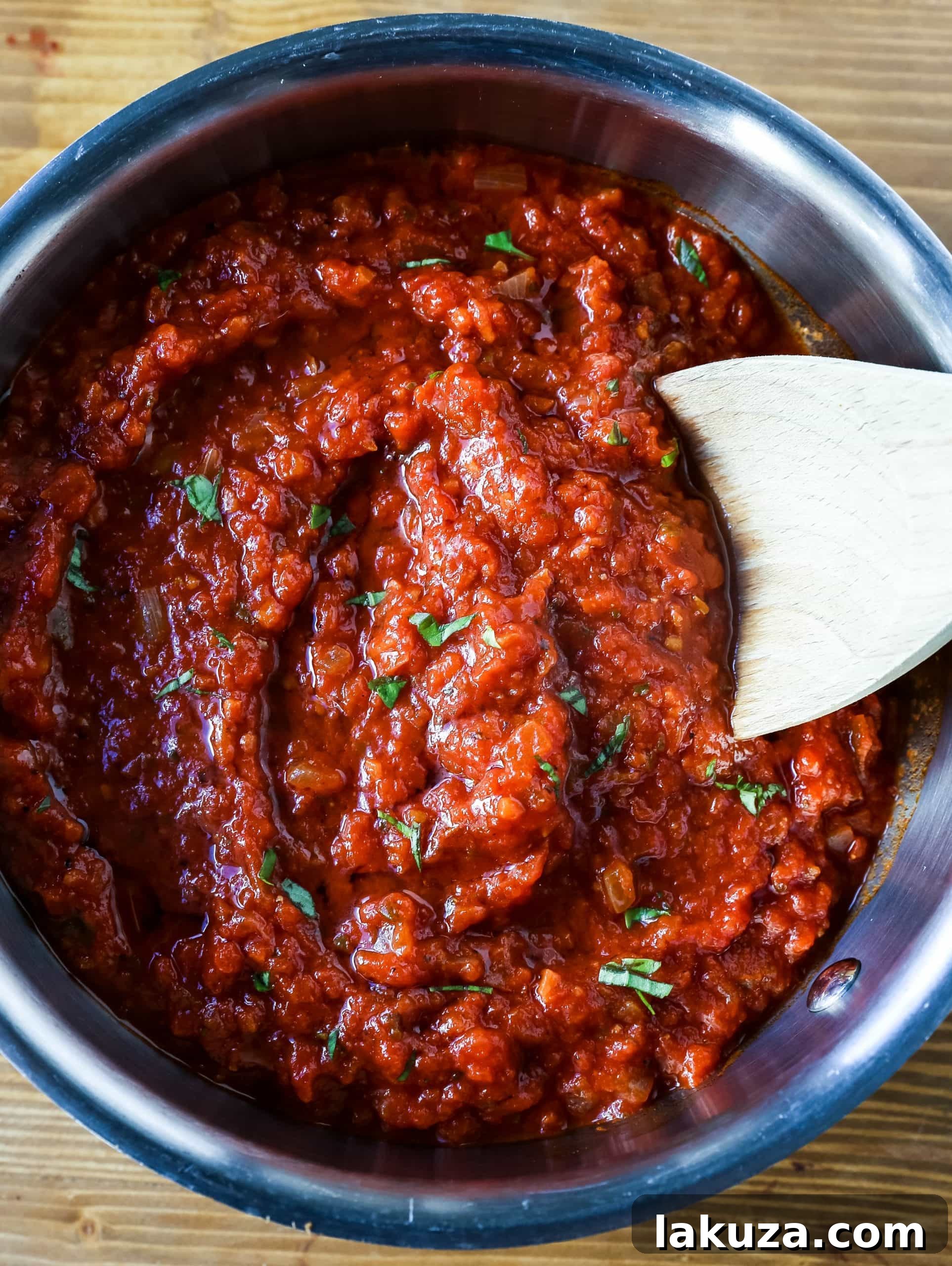
Tomato Paste: The Secret to Unrivaled Depth
Beyond the whole peeled tomatoes, another critical ingredient in achieving this sauce’s profound richness is tomato paste. This concentrated marvel is created by cooking tomatoes for several hours to drastically reduce their water content, straining out the seeds and skins, and then cooking the remaining liquid even further until it becomes a thick, intensely flavored paste. A small amount of tomato paste can work wonders, transforming sauces by imparting a much deeper, more complex, and more robust tomato flavor that might otherwise be missing. It’s the unsung hero that adds layers of umami and body, giving the sauce that desirable slow-cooked characteristic even in a shorter cooking time.
Aromatic Herbs and Spices: The Soul of the Sauce
No Italian tomato sauce is complete without the fragrant contribution of fresh herbs. I particularly adore using fresh basil, ideally plucked straight from the garden, for its bright, peppery, and slightly sweet notes that sing through the sauce. However, if fresh basil isn’t available, dried basil can certainly be used, and I’ve provided measurements for both to ensure flexibility. The key is to add it at the right moment to maximize its aromatic impact.
To complement the basil and add another dimension of classic Italian flavor, a touch of dried oregano is essential. Its slightly peppery, earthy notes introduce a delightful counterpoint to the sweetness of the tomatoes. For those who appreciate a hint of warmth and a gentle kick, red pepper flakes are a fantastic addition. They introduce a subtle spice that enlivens the palate without overpowering the delicate balance of the other ingredients. This allows the true essence of the tomato to shine, while providing an intriguing depth that keeps you coming back for more.
Balancing Act: Counteracting Acidity with a Touch of Sweetness
When tomatoes take center stage in a sauce, especially when cooked down, they can sometimes develop a pronounced acidity. While a certain level of acidity is desirable for a vibrant sauce, too much can make it taste harsh or unbalanced. The simple secret to achieving a perfectly harmonious flavor profile is to introduce a small amount of sugar. This isn’t about making the sauce sweet, but rather about beautifully balancing out the natural acidity of the tomatoes. The sugar acts as a subtle counterpoint, rounding out the flavors and allowing the inherent sweetness of the San Marzano tomatoes and carrots to truly flourish. It’s a small addition with a significant impact on the overall deliciousness of this classic marinara sauce.
The Magic of a Slow Simmer
Patience, as they say, is a virtue, and nowhere is this more true than in the creation of a truly exceptional Italian tomato sauce. If time is on your side, allowing this Italian sauce to simmer slowly and gently is paramount. This extended cooking time serves several crucial purposes: it reduces the sauce, concentrating the flavors to an even richer, deeper intensity; it allows all the individual ingredients—the sweet onions and carrots, pungent garlic, fragrant herbs, and robust tomatoes—to meld and marry into a cohesive, complex whole. Cooking it low and slow grants the flavors the necessary time to fully develop, transforming a collection of ingredients into a truly unforgettable marinara sauce. It’s this dedication to the simmering process that separates a good sauce from the absolute best.
How to Make the Best Classic Italian Tomato Sauce: Step-by-Step Guide
Crafting this incredible classic Italian tomato sauce is a rewarding experience. Follow these steps for a perfect marinara every time:
- Build the Flavor Base with Aromatics: Begin by heating 2-3 tablespoons of high-quality extra-virgin olive oil in a large, heavy-bottomed pot or Dutch oven over medium heat. Add the diced onion and carrot. Sauté gently for 8-10 minutes, stirring occasionally, until they become softened and translucent. This crucial step caramelizes the natural sugars in the vegetables, building a sweet and savory foundation for your sauce. Next, add the minced garlic and cook for just 1-2 minutes longer. Be vigilant to ensure the garlic doesn’t burn, as burnt garlic can impart a bitter flavor to the entire sauce. If you’re not immediately adding the tomatoes, remove the pot from the heat briefly to prevent the garlic from overcooking.
- Introduce the Tomatoes and Puree for Smoothness: If you’re using whole peeled tomatoes, such as premium San Marzano tomatoes, transfer them to a blender and quickly puree them until smooth. For an extra velvety sauce, you can also add the sautéed onion and carrot mixture to the blender along with the tomatoes before returning the mixture to the pot. This creates a remarkably consistent and smooth texture that many prefer for marinara.
- Infuse with Richness and Spice: Return the pot to the stove (if removed) and stir in the tomato paste, fresh basil (or dried), dried oregano, and the red pepper flakes (if desired for a hint of spice). Add 1 ½ teaspoons of salt and 1 teaspoon of freshly ground black pepper. Give it a good stir to combine all the ingredients thoroughly. At this point, taste the sauce and adjust the seasoning. You may find you need a little more salt to bring out the full spectrum of flavors.
- Simmer to Perfection: Reduce the heat to medium-low, or even lower, and allow the sauce to simmer gently. This slow cooking process is where the magic truly happens. Aim for at least 20-30 minutes of simmering to allow the flavors to meld. However, if time truly permits, let it simmer on low for 1-2 hours, stirring occasionally to prevent sticking. The longer it simmers, the more the flavors will develop and concentrate, resulting in an incredibly rich, robust, and deeply satisfying sauce that tastes like it’s been cooking all day.
Classic Italian Tomato Sauce
Equipment
-
Vitamix Blender
Ingredients
- 2 to 3 Tablespoons Olive Oil
- 1 medium Onion (diced)
- 1 large Carrot (diced)
- 4 Garlic Cloves (minced)
- (2) 28-ounce cans Whole Peeled Tomatoes (such as San Marzano)
- 6 ounces Tomato Paste
- 2 to 3 Tablespoons Fresh Basil (chopped or 2 teaspoons dried basil)
- 1/2 teaspoon Dried Oregano
- 1/2 teaspoon Dried Red Pepper Flakes (optional, if you like a little spice)
- 1 1/2 teaspoons Salt
- 1 teaspoon Pepper
- 1 Tablespoon Sugar
Instructions
-
Heat a large pot over medium heat. Add oil and then add onion and carrot. Sauté for 8-10 minutes or until softened. Add in garlic and cook for 1-2 minutes longer. Remove from heat if not adding tomatoes right away to make sure garlic doesn’t burn.
-
Purée tomatoes in a blender. Add to the onion carrot mixture. Stir in tomato paste, basil, oregano, red pepper flakes, salt, pepper, and sugar.
-
Reduce heat to a medium-low and let simmer for at least 20-30 minutes. If time permits, let simmer on low for 1-2 hours, stirring occasionally.
-
Taste and add more salt if needed. Serve with fresh pasta.
Nutrition
Carbohydrates: 11g,
Protein: 2g,
Fat: 5g,
Saturated Fat: 1g,
Polyunsaturated Fat: 1g,
Monounsaturated Fat: 3g,
Sodium: 818mg,
Potassium: 373mg,
Fiber: 2g,
Sugar: 7g,
Vitamin A: 2527IU,
Vitamin C: 9mg,
Calcium: 28mg,
Iron: 1mg
Nutrition information is automatically calculated, so should only be used as an approximation.
Additional Info
Beyond the Basics: Tips for Success
- Quality Ingredients Matter: As emphasized, San Marzano tomatoes are key. Likewise, a good quality extra virgin olive oil will profoundly impact the sauce’s flavor.
- Don’t Rush the Aromatics: The initial sautéing of onions and carrots is not a step to skip or hurry. Browning them gently unlocks their sweetness and creates the essential flavor foundation.
- Taste and Adjust: Seasoning is personal. Always taste your sauce before serving and adjust salt, pepper, or even a tiny pinch more sugar if needed to achieve your perfect balance.
- Blend for Your Preferred Texture: Some prefer a chunky sauce, others silky smooth. Blending all or part of the cooked aromatics with the tomatoes allows you to customize the texture to your liking.
Make Ahead and Storage Tips
One of the many advantages of making your own classic Italian tomato sauce is its excellent make-ahead potential. This sauce tastes even better the next day as the flavors continue to marry and deepen.
- Refrigeration: Allow the sauce to cool completely. Transfer it to an airtight container and store it in the refrigerator for up to 5-7 days.
- Freezing: For longer storage, this marinara freezes beautifully. Divide the cooled sauce into freezer-safe containers or heavy-duty freezer bags. Lay bags flat to save space. It can be frozen for up to 3-4 months. Thaw overnight in the refrigerator or gently reheat from frozen on the stovetop over low heat.
Customize Your Sauce: Delicious Variations
This classic recipe is a perfect starting point, but don’t hesitate to make it your own with these delicious variations:
- Meat Lover’s Marinara: Brown 1 lb of Italian sausage (sweet or spicy) or ground beef with the onions and carrots. Drain any excess fat before adding the tomatoes.
- Creamy Tomato Sauce: Stir in a splash of heavy cream or a dollop of mascarpone cheese at the end of cooking for a richer, creamier texture.
- Spicy Arrabiata: Increase the red pepper flakes to ½ – 1 teaspoon or more, depending on your heat preference, for a fiery kick.
- Herb Variations: Experiment with other fresh herbs like thyme or marjoram for slightly different aromatic profiles.
- Roasted Garlic: For an even sweeter, milder garlic flavor, roast whole heads of garlic until soft, then squeeze the pulp into the sauce instead of using raw minced garlic.
Frequently Asked Questions About Classic Italian Tomato Sauce
Curious about perfecting your marinara? Here are some common questions and answers:
Q: What’s the difference between marinara sauce and tomato sauce?
A: While often used interchangeably, traditional marinara is typically a simpler, quicker-cooking sauce made with tomatoes, garlic, herbs (like basil and oregano), and olive oil. “Tomato sauce” can be a broader term, often implying a longer cooking time and sometimes including more ingredients like meat or a more complex soffritto (celery, carrot, onion). This recipe, though labeled “Classic Italian Tomato Sauce,” falls squarely into the marinara category due to its ingredient profile and relatively straightforward preparation.
Q: Why do you add carrot and sugar to the sauce?
A: Both carrot and sugar serve the same purpose: to balance the acidity of the tomatoes. Carrots add a natural sweetness when sautéed, and a small amount of sugar further helps to round out the flavors, creating a smoother, more harmonious sauce without making it taste sweet.
Q: Can I use fresh tomatoes instead of canned San Marzano?
A: Yes, absolutely! If you have ripe, flavorful fresh tomatoes (like Roma or other paste varieties) in season, they can be excellent. You would need to peel, core, and seed them, then crush or chop before using. However, good quality canned San Marzano tomatoes are often preferred even by Italian chefs for their consistent flavor and texture, especially when fresh, high-quality tomatoes are not readily available.
Q: How can I make my sauce thicker?
A: The best way to thicken your sauce is by simmering it longer. As the sauce cooks, moisture evaporates, concentrating the flavors and thickening the consistency. Make sure to simmer uncovered. If you’re in a hurry, you can add a tablespoon of tomato paste, which acts as a natural thickener and flavor enhancer.
Q: What is the best way to reheat leftover tomato sauce?
A: Reheat gently on the stovetop over low to medium-low heat, stirring occasionally, until warmed through. This prevents scorching and allows the flavors to re-develop evenly. You can also microwave it, stirring halfway through, but the stovetop method generally yields better results.
Mastering this Classic Italian Tomato Sauce recipe means you’ll always have a versatile, deeply flavorful foundation for countless Italian dishes. It’s a timeless recipe that brings the authentic taste of Italy right into your home, proving that the best meals are often born from simple, quality ingredients and a little love in the kitchen. Enjoy the rich aroma, the vibrant taste, and the endless possibilities this ultimate marinara offers!