
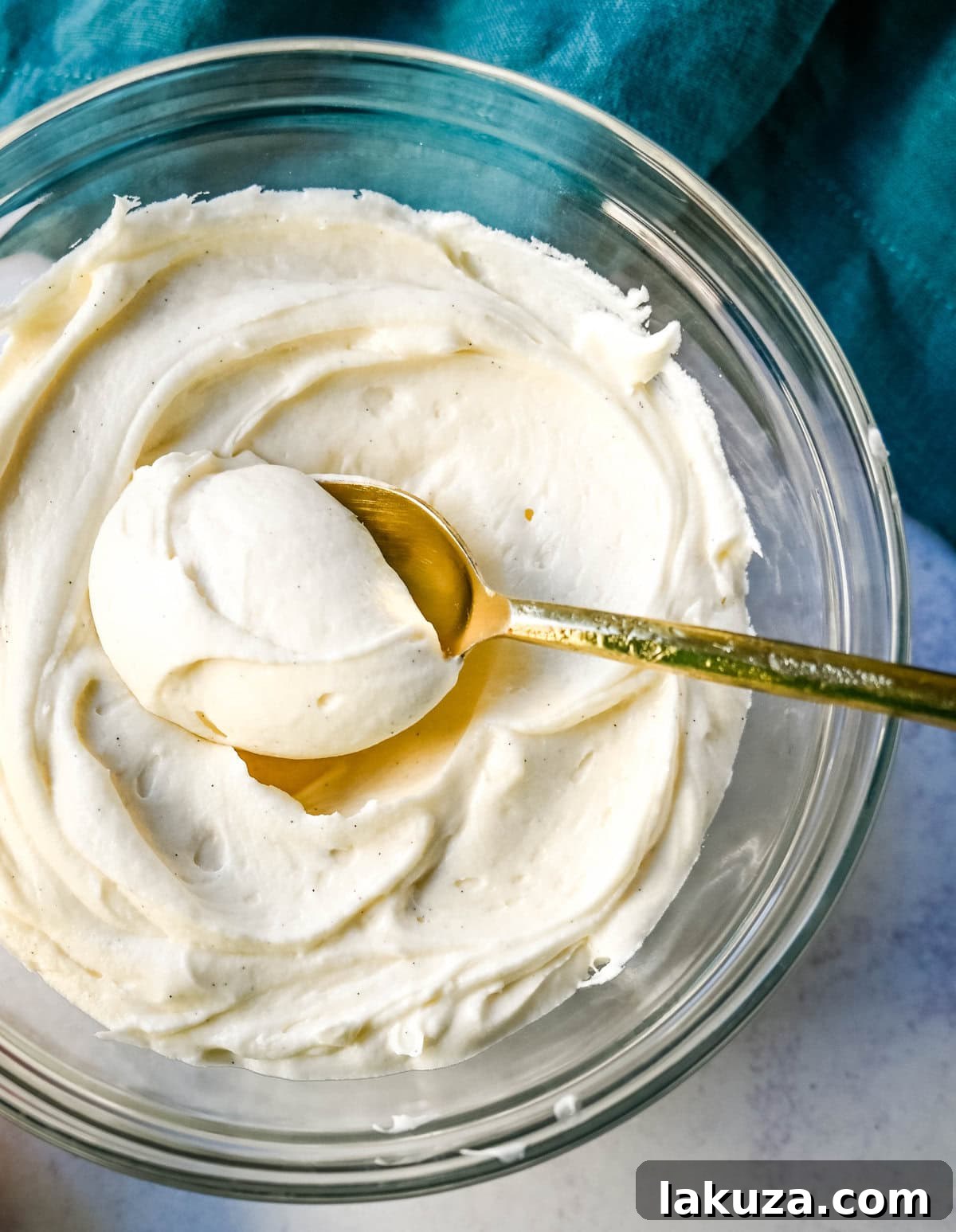
Unlock the secrets to crafting the absolute best cream cheese frosting recipe – a truly divine topping that’s perfectly balanced in sweetness and tang, boasting a remarkably silky-smooth and creamy texture. This comprehensive guide will equip you with all the essential tips and tricks to create a frosting that elevates any dessert, making it an indispensable addition to your baking repertoire.
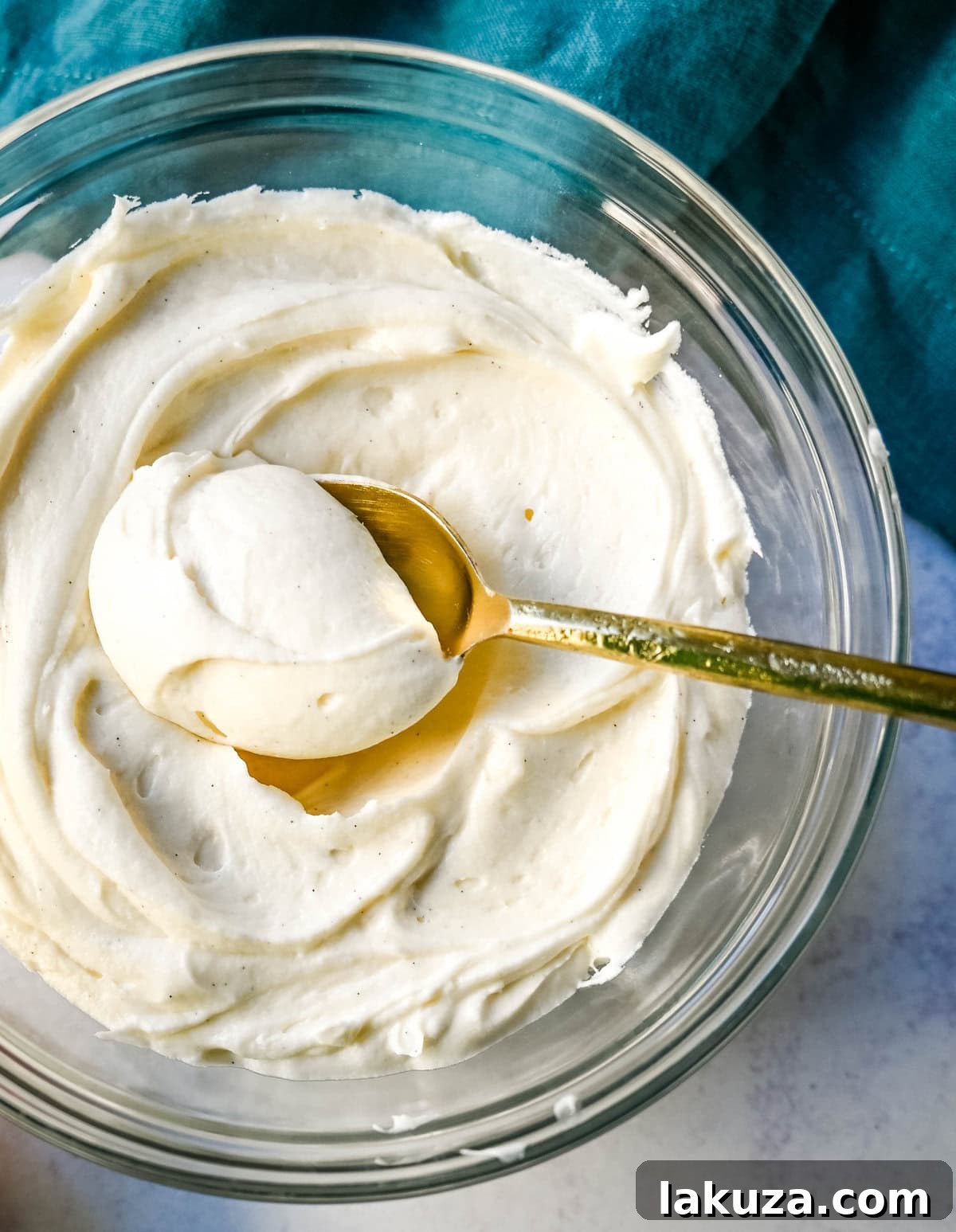
There’s a reason why cream cheese frosting consistently ranks as a top favorite among dessert enthusiasts. For many, it’s the ultimate go-to, transforming ordinary cakes, cookies, and cupcakes into extraordinary delights. What sets it apart is its unique ability to marry a rich, velvety creaminess with a delightful hint of tang, a characteristic that elegantly cuts through the sweetness of powdered sugar. Unlike traditional buttercream, which can sometimes be overwhelmingly sweet, homemade cream cheese frosting offers a sophisticated flavor profile that keeps you coming back for more.
Achieving this ideal balance is an art, refined through years of experimentation. The quest for the perfect cream cheese frosting often involves carefully adjusting the ratios of butter, cream cheese, and powdered sugar. The goal is always to ensure that the distinctive tangy notes of the cream cheese shine through, while still providing ample sweetness and stability for various applications. This recipe represents the culmination of that journey, promising a result that is consistently excellent, incredibly easy to make, and destined to become your new favorite.
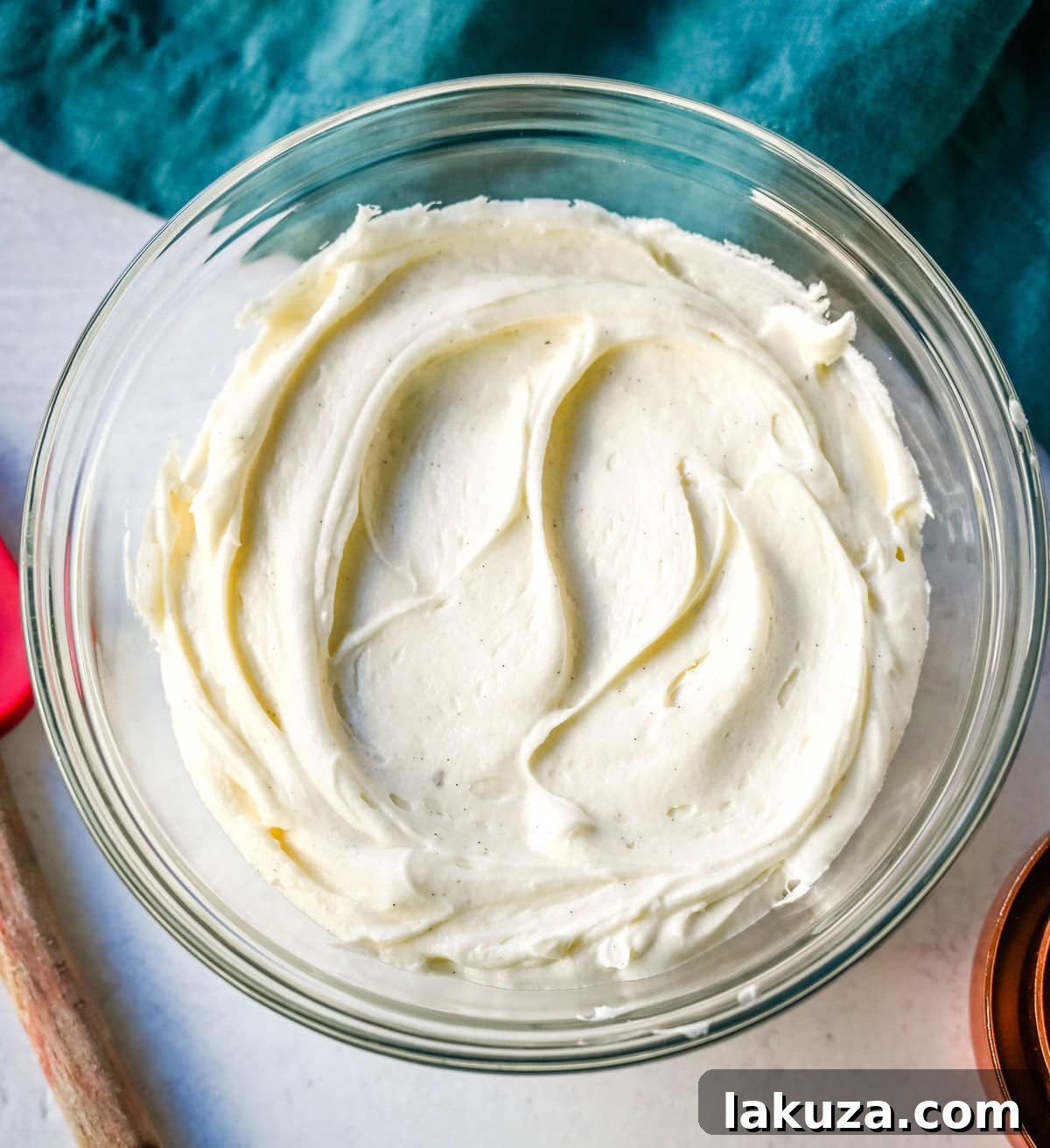
Why You’ll Fall in Love with This Cream Cheese Frosting:
This exquisite cream cheese frosting offers an unparalleled culinary experience, striking an impeccable harmony between its sweet and tangy notes. It’s truly the perfect choice for an extensive array of desserts. Its luxurious, velvety texture glides effortlessly onto cakes and pipes beautifully, making it ideal for everything from elegant layer cakes to simple, frosted cookies. Prepare to elevate your baking with this irresistible topping.
Why This Cream Cheese Frosting Recipe Stands Out:
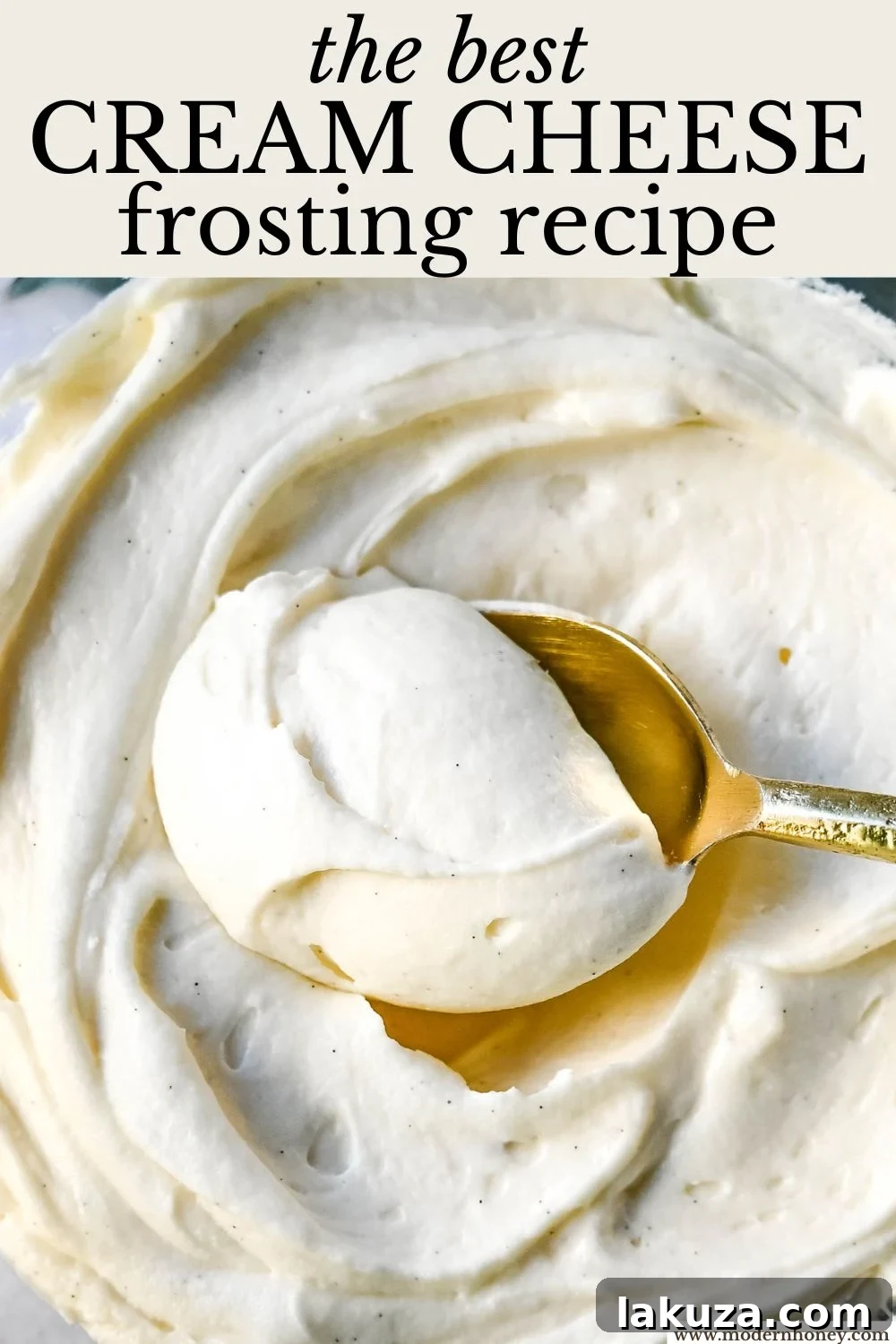
- Unmatched Texture: Our meticulous whipping technique for the cream cheese and butter creates an unbelievably smooth, ethereal, and fluffy frosting. This light consistency ensures it spreads like a dream and holds its shape impeccably when piped, making your desserts not just delicious, but also visually stunning.
- Perfectly Balanced Flavor: The inherent tanginess of premium cream cheese is the secret weapon here. It expertly cuts through the richness of the butter and the sweetness of the powdered sugar, delivering a flavor profile that is neither too sweet nor too tart. The result is a sophisticated and addictive taste that tantalizes the palate.
- Incredible Versatility: This isn’t just a frosting; it’s a culinary chameleon. Its robust flavor and stable texture make it perfectly suited for an astonishing variety of desserts. Whether you’re topping classic red velvet cakes, filling delicate sandwich cookies, adorning moist carrot cakes, or adding a decadent layer to pumpkin rolls, this homemade cream cheese frosting adapts beautifully and enhances every creation.
Essential Ingredients for the Best Homemade Cream Cheese Frosting:
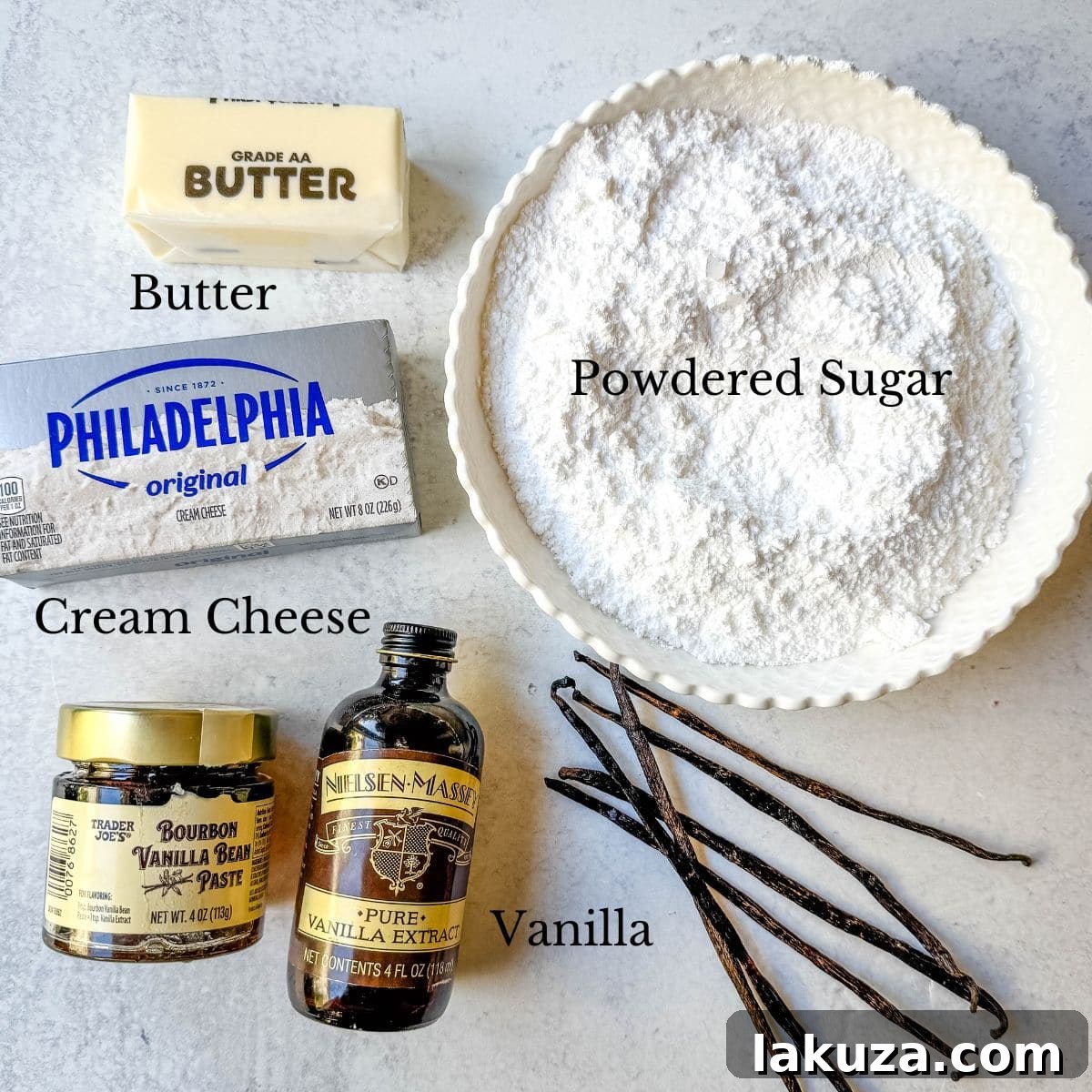
Crafting the perfect batch of cream cheese frosting requires only a handful of readily available ingredients. The magic truly lies in their quality and proper preparation. You’ll only need four core ingredients to achieve this sublime topping:
- Butter: Whether you choose salted or unsalted butter, ensuring it’s at the correct room temperature is crucial for a smooth, lump-free frosting. If opting for unsalted, a small pinch of fine salt should be added to enhance and balance the flavors. Room temperature butter creams beautifully, incorporating air and contributing to the frosting’s light texture.
- Cream Cheese: This is the star of the show! Always, and we mean always, reach for full-fat, block-style cream cheese. Avoid the temptation to use softened cream cheese from a tub or reduced-fat varieties, as their higher water content and softer texture will result in a runny, unstable frosting. Full-fat block cream cheese provides the necessary richness, tang, and firmness for the creamiest cream cheese frosting.
- Powdered Sugar (Confectioners’ Sugar): Beyond just sweetness, powdered sugar is vital for giving the frosting its structure and body. Its fine texture dissolves easily, contributing to the silky consistency. You can adjust the amount to achieve your desired level of sweetness and stiffness; adding a bit more will result in a sweeter, firmer frosting, perfect for intricate piping.
- Vanilla Extract or Vanilla Bean Paste: A high-quality vanilla is non-negotiable here. Given the simplicity of the ingredient list, vanilla plays an outsized role in adding depth, warmth, and complexity to the overall flavor profile. See our dedicated tip block below for guidance on selecting the best vanilla for your frosting.
Optional: A small dash of heavy cream or whole milk (1-2 teaspoons) can be added at the end if you prefer a slightly thinner, more pourable frosting consistency, perfect for drizzling or a softer spread.
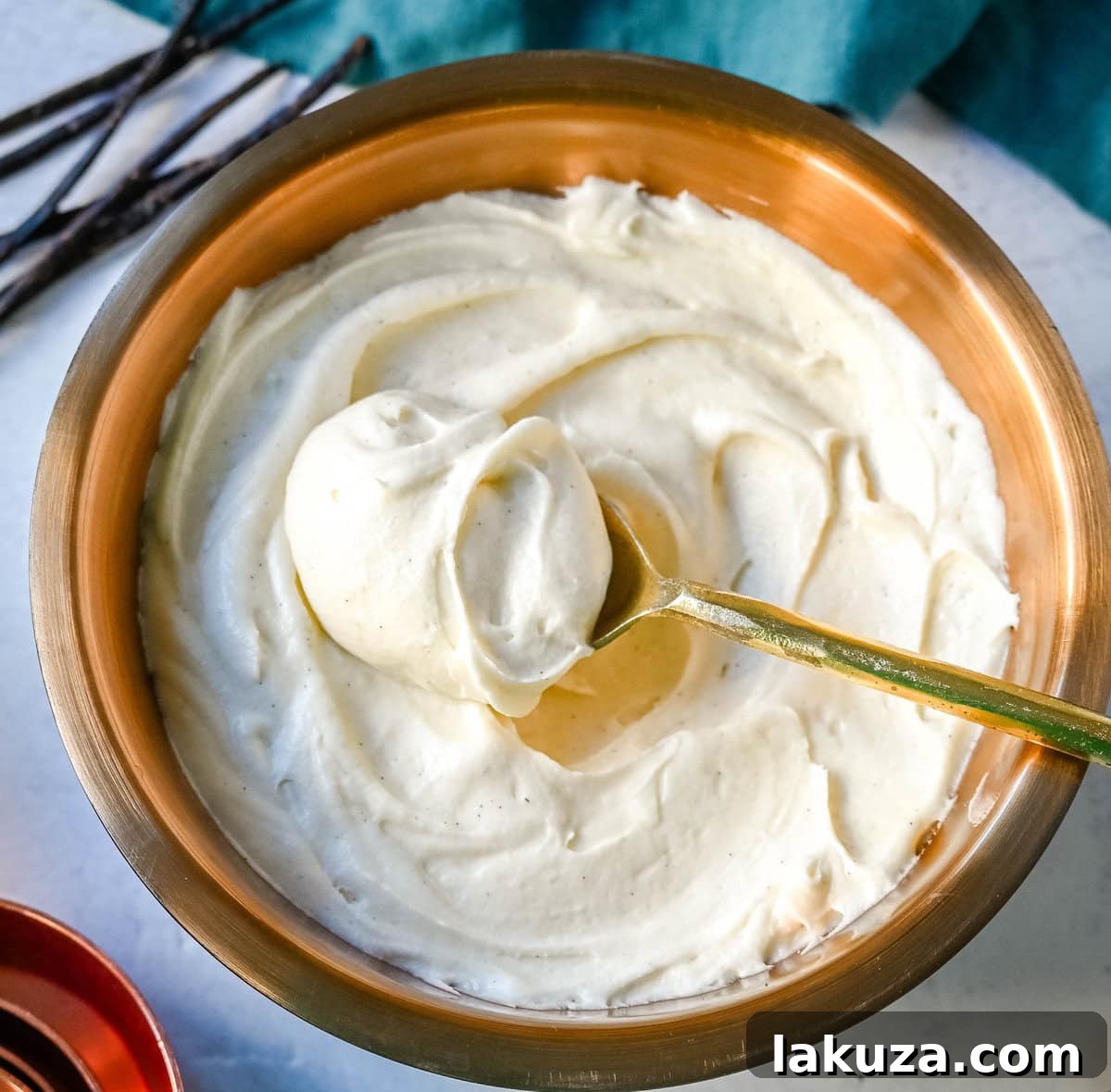
Choosing the Perfect Vanilla for Your Cream Cheese Frosting
In a recipe with such a minimalist ingredient list, vanilla is not merely an afterthought; it’s a crucial component that profoundly impacts the final flavor. Opting for a high-quality vanilla extract or paste will significantly enhance the overall richness and complexity of your cream cheese frosting.
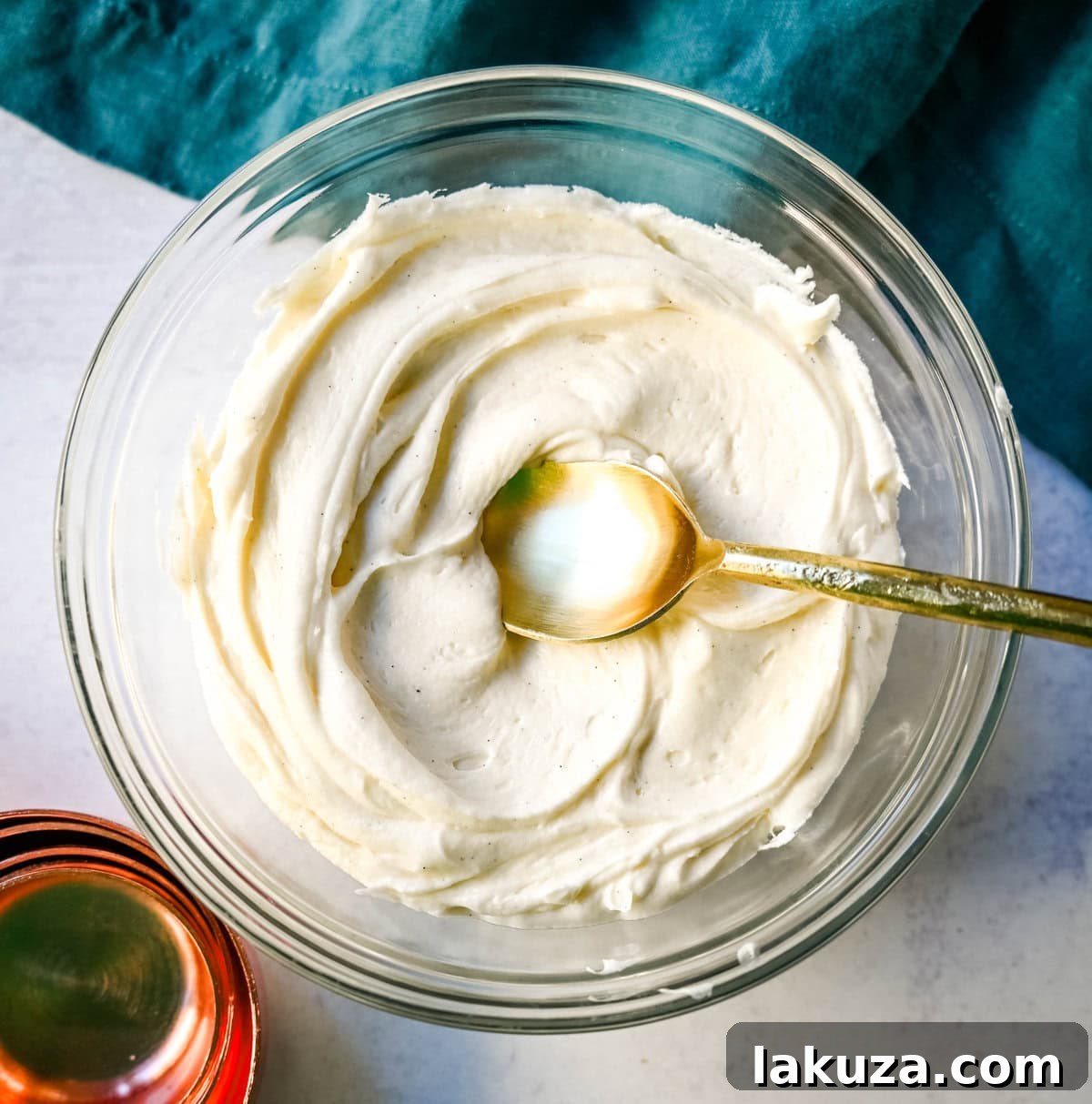
For an unparalleled, deep, and more intense vanilla flavor, I consistently reach for vanilla bean paste. Not only does it deliver a robust vanilla essence, but the tiny, beautiful black specks from the vanilla beans also add an exquisite visual appeal, making your frosting look as gourmet as it tastes. It’s particularly fantastic in frostings, custards, and puddings where vanilla is a primary flavor.
Vanilla extract remains an excellent all-purpose choice, imparting a beautifully balanced vanilla flavor that complements the tang of the cream cheese perfectly. When using extract, ensure you select a high-quality, pure vanilla extract – avoid imitation vanilla as it can introduce an artificial undertone. Mexican vanilla extract is another fantastic option, often praised for its rich, creamy, and slightly smoky notes that can add an extra dimension to your frosting.
The Non-Negotiable Rule: Why Full-Fat Cream Cheese is King
When it comes to achieving the silkiest, creamiest cream cheese frosting with optimal structure, there’s no substitute for full-fat, block-style cream cheese. This isn’t just a recommendation; it’s a foundational principle of a perfect frosting.
Full-fat cream cheese contains a higher percentage of milk fat and less water compared to its reduced-fat or whipped counterparts. This higher fat content is what provides that signature rich flavor and, more importantly, the thick, stable consistency essential for frosting. Reduced-fat or whipped cream cheese products are formulated to be lighter and more spreadable directly from the fridge, which means they contain significantly more water and often include stabilizers that don’t perform well in a whipped frosting. Using them will almost inevitably lead to a runny, unstable, and ultimately disappointing frosting that struggles to hold its shape.
For truly the best cream cheese frosting, always stick to the classic brick of full-fat cream cheese. Brands like Philadelphia are consistently reliable choices, offering the ideal texture and flavor profile needed for success.
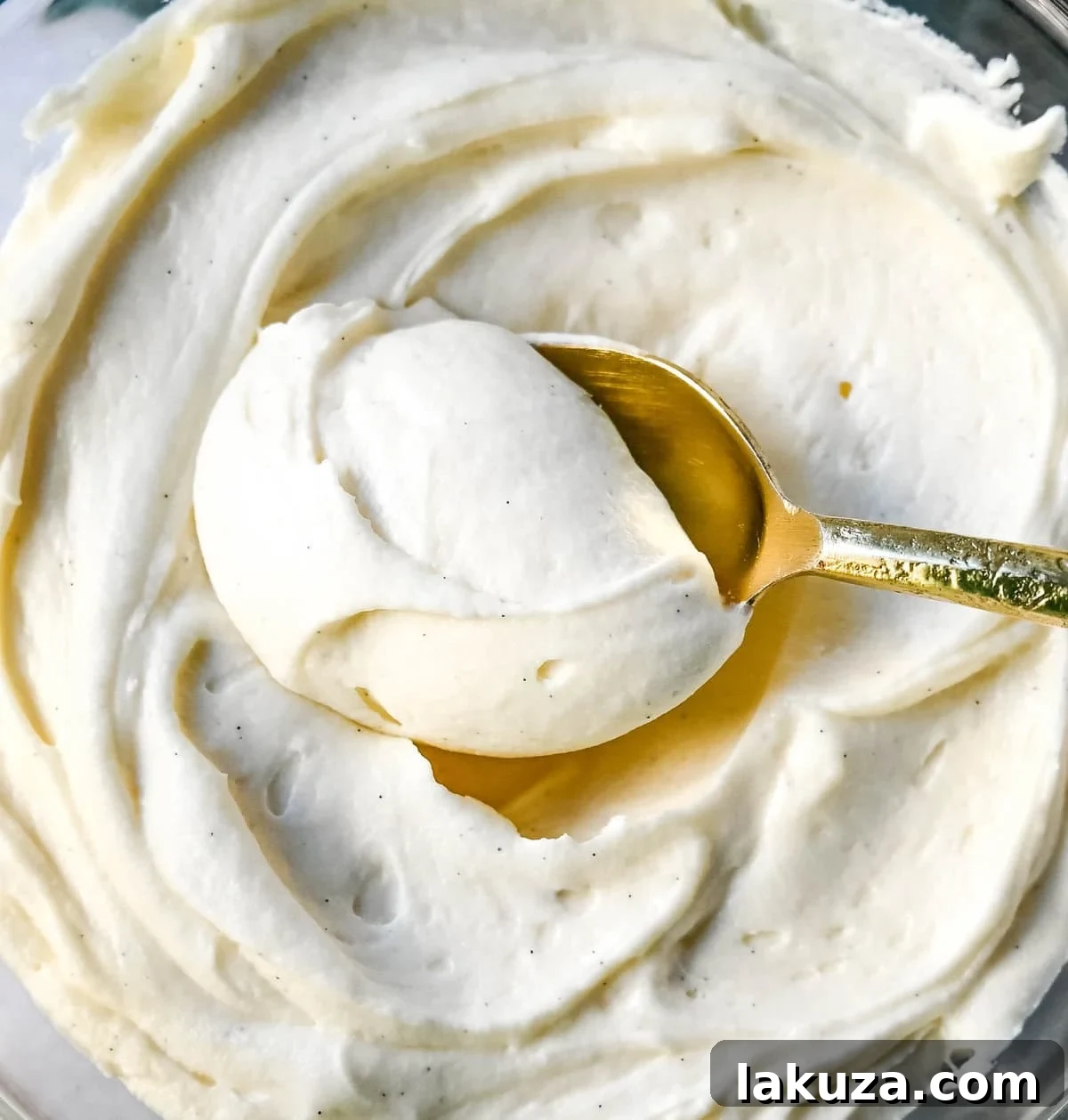
Step-by-Step Guide to Making the Best Cream Cheese Frosting:
Follow these precise steps to create a truly irresistible homemade cream cheese frosting:
- 1. Soften the Cream Cheese and Butter: This crucial first step ensures a lump-free, impeccably smooth frosting. Allow your butter and block cream cheese to sit at room temperature for at least 30-60 minutes, or until they are soft enough to easily indent with a finger but not greasy or melted. Properly softened ingredients blend together seamlessly, preventing any curdled appearance.
- 2. Cream the Butter and Cream Cheese: In the bowl of a stand mixer fitted with the paddle attachment (or using a hand mixer), combine the softened butter and cream cheese. Beat on medium speed for about 2-3 minutes, scraping down the sides of the bowl frequently. Continue until the mixture is exceptionally smooth, light, and fluffy, with no visible lumps. This initial whipping incorporates essential air, contributing to a light and creamy frosting.
- 3. Gradually Incorporate Powdered Sugar: Sift your powdered sugar before adding it to avoid any lumps – this is key for a truly silky texture. With the mixer on low speed, add the powdered sugar, one cup at a time, allowing each addition to be fully incorporated before adding the next. This prevents a cloud of sugar from enveloping your kitchen! Once all the sugar is added, increase the mixer speed to medium-high and whip for another 2-3 minutes. This final whip will make the frosting incredibly light, fluffy, and stable. Finally, stir in the vanilla extract or vanilla bean paste until just combined.
- 4. Taste and Adjust Consistency: Your frosting should now be perfect, but personal preference matters. Take a small taste to check the sweetness and tang. If you desire a slightly thinner frosting for a smoother spread, add milk or heavy cream, one teaspoon at a time, mixing briefly after each addition until the desired consistency is achieved. If the frosting seems too thin or soft, gradually add a bit more sifted powdered sugar (1-2 tablespoons at a time) until it stiffens to your liking.
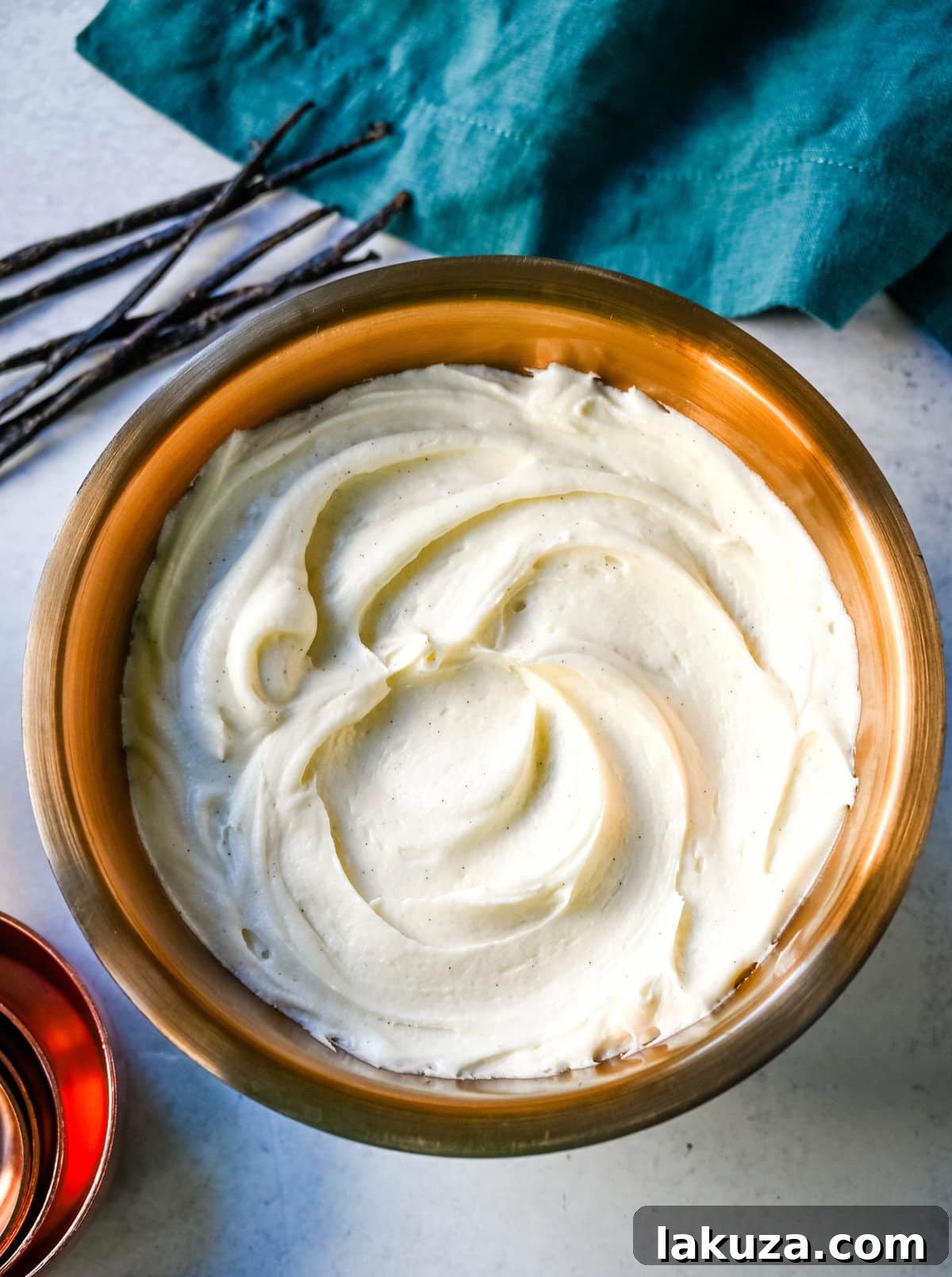
Expert Tips for Your Best Cream Cheese Frosting Ever:
To ensure your homemade cream cheese frosting is consistently perfect, keep these invaluable tips in mind:
Always Use Full-Fat Cream Cheese: As emphasized, this is non-negotiable. Full-fat, block-style cream cheese is paramount for the ideal flavor, richness, and stable consistency. Varieties with lower fat content or whipped versions contain more water, leading to a runny and unstable frosting that won’t hold its shape.
Ensure Ingredients are Properly Softened: Room temperature butter and cream cheese are key to a smooth, lump-free frosting. Cold ingredients will not emulsify correctly, resulting in a curdled or chunky texture. Plan ahead and take them out of the fridge at least 30-60 minutes before you begin.
Sift the Powdered Sugar: This simple extra step makes a world of difference. Sifting powdered sugar removes any small lumps and ensures a truly silky-smooth texture, preventing a gritty mouthfeel in your finished frosting.
Avoid Over-Beating After Adding Sugar: Once the powdered sugar is incorporated, don’t over-mix. Too much whipping can incorporate too much air, making the frosting overly soft and difficult to manage, especially if you plan to pipe it. Whip just until it’s light, fluffy, and reaches your desired consistency.
Chill if Needed: If your kitchen is warm or if the frosting becomes too soft during preparation, don’t hesitate to refrigerate it for 15-20 minutes. A brief chill can help firm it up, making it easier to work with.
Frequently Asked Questions (FAQs) About Cream Cheese Frosting:
Navigating the nuances of cream cheese frosting can raise a few questions. Here are answers to common queries to help you master this delicious topping:
1. Why is whipping cream cheese frosting so important?
Whipping the frosting serves multiple critical purposes. Primarily, it incorporates air into the butter and cream cheese mixture, making the frosting wonderfully light, ethereal, and fluffy. This aeration also ensures that the butter and cream cheese are fully emulsified and blended, resulting in a smooth, uniform texture free of lumps. It’s the key to achieving that signature creamy consistency.
2. Does cream cheese frosting require refrigeration?
Yes, absolutely. Because cream cheese frosting contains dairy products (butter and cream cheese), it is perishable and must be refrigerated. Store any leftover frosting, or desserts frosted with it, in an airtight container in the refrigerator for up to 5 days. For the best taste and texture when serving, allow the frosting to come to room temperature for about 15-30 minutes before enjoying.
3. Can I freeze cream cheese frosting?
Yes, homemade cream cheese frosting freezes beautifully! You can freeze it in an airtight container for up to 3 months. When you’re ready to use it, thaw the frosting overnight in the refrigerator. Before using, give it a good re-whip with your mixer to restore its creamy texture. You might find it has stiffened slightly, so you may need to add a teaspoon or two of milk or heavy cream during re-whipping to achieve your desired consistency.
4. My frosting is too runny – what went wrong?
A runny cream cheese frosting is a common issue, often caused by ingredients that are too warm or using the wrong type of cream cheese. Ensure you are always using full-fat, block cream cheese, as low-fat varieties contain more water and will make your frosting soft. If your ingredients were too warm when you started, the fat can separate. To fix a runny frosting, try chilling it in the refrigerator for 20-30 minutes to firm up the butter and cream cheese. If it’s still too thin after chilling and a brief re-whip, gradually add more sifted powdered sugar, one tablespoon at a time, beating until it reaches the desired thickness.
5. Can I make cream cheese frosting ahead of time?
Absolutely! Cream cheese frosting is an excellent candidate for make-ahead preparation. Prepare it as directed, then store it in an airtight container in the refrigerator for up to 5 days. Before using, simply take it out and let it soften at room temperature for about 15-30 minutes, then give it a quick re-whip with your mixer until it’s light and fluffy again.
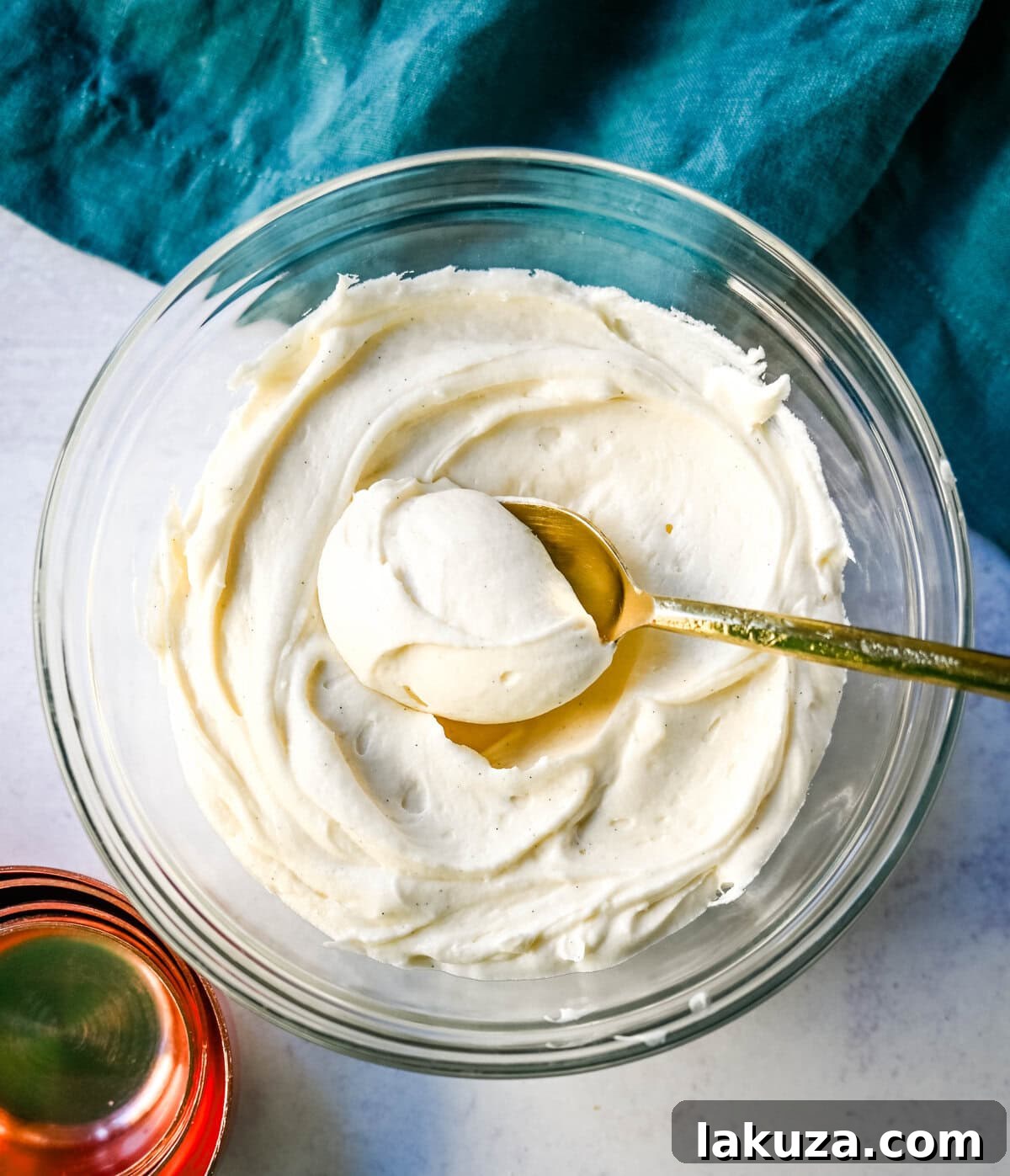
Effective Ways to Thicken Cream Cheese Frosting:
If your cream cheese frosting turns out softer than desired, don’t fret! There are several reliable methods to achieve a stiffer, more stable consistency, perfect for intricate decorating or structural support in layer cakes:
- Increase Powdered Sugar: This is the most common and effective method. Powdered sugar acts as both a sweetener and a thickener, absorbing excess moisture and adding body. Add 1-2 tablespoons of sifted powdered sugar at a time, mixing thoroughly on low speed until fully incorporated. Continue adding and mixing until your desired consistency is reached. Be mindful not to add too much, as it can make the frosting overly sweet.
- Chill the Frosting: The fats in cream cheese and butter firm up significantly when cooled. Transfer your frosting to an airtight container, cover it, and refrigerate for 20-30 minutes. This often works wonders to naturally thicken the frosting to a spreadable or pipeable consistency. After chilling, give it a quick whip to make it smooth again.
- Introduce Cornstarch or Meringue Powder: For a more robust thickening solution, especially if you need your frosting to hold very intricate shapes, consider adding a stabilizer. Cornstarch or meringue powder can stabilize the frosting without significantly altering its flavor or texture when used in small amounts. Add 1-2 teaspoons of either, mixing well until thoroughly combined. Repeat if necessary, but be careful not to overdo it, as excessive amounts can lead to a slightly chalky taste or texture.
- Verify Your Cream Cheese Choice: Reiterate the importance of using full-fat, block-style cream cheese. Cream cheese spreads and low-fat versions contain a higher water content and will inherently produce a runnier frosting. Always start with the right foundation for the best cream cheese frosting results.
Can You Successfully Pipe Cream Cheese Frosting?
Yes, absolutely! While cream cheese frosting is generally softer than traditional buttercream, it can be beautifully piped to create stunning decorations. The key is ensuring it has the right thickness and stability. Follow these expert tips for piping success:
Achieve the Right Thickness: Refer to the “How to thicken cream cheese frosting” section above and use one of the suggested methods to achieve a firm, pipeable consistency. It should be thick enough to hold its shape but still soft enough to pass through a piping tip without excessive force.
Chill Before Piping: Even after thickening, a quick chill helps immensely. Refrigerate your frosting for 15-20 minutes just before transferring it to a piping bag. This short chill period will firm up the butter and cream cheese without making the frosting too stiff to pipe, giving you more control and cleaner lines.
Select Appropriate Piping Tips: Since cream cheese frosting is inherently softer than many buttercreams, opt for larger piping tips (e.g., star tips like 1M, round tips like 1A, or open star tips). These larger openings will allow the frosting to flow more easily and will better maintain the definition of your designs. Intricate details might be challenging to hold with very small tips.
Work Efficiently and Keep Cool: Cream cheese frosting softens quickly at room temperature. Work in small batches if necessary, and try to pipe quickly. If you notice the frosting becoming too soft or losing its shape in the piping bag, pause and place the piping bag (or the entire bowl if you’re working in batches) back into the refrigerator for a few minutes to firm up before continuing. For best results, chill your decorated desserts promptly after piping.
Desserts That Sing with Cream Cheese Frosting:
The versatility of cream cheese frosting means it pairs exquisitely with an enormous range of baked goods. On my website alone, you’ll find countless recipes where this delightful frosting takes center stage. It’s truly a star player, perfect as a luscious topping for cookies, a decadent filling for sandwich cookies, an elegant layer in celebratory cakes, a smooth spread on sheet cakes, and so much more!
Red Velvet Cake
The Best Carrot Cake Recipe
Pumpkin Cake with Cream Cheese Frosting
Lemon Cake
Best Cream Cheese Frosting Recipe
Ingredients
- 1/2 cup Salted Butter (softened)
- (1) 8-ounce pkg. Cream Cheese (softened, full-fat block)
- 3 1/2 cups Powdered Sugar (sifted)
- 1 to 2 teaspoons Vanilla Extract or Vanilla Bean Paste
Instructions
-
Soften the Cream Cheese and Butter: Ensure butter and cream cheese are at room temperature for easy blending and a smooth consistency.
-
Whip Butter and Cream Cheese: Using a stand or hand mixer, beat the softened cream cheese and butter on medium speed for about 3 minutes until light, smooth, and fluffy. Scrape down the bowl as needed.
-
Add Powdered Sugar and Vanilla: Gradually add the sifted powdered sugar, one cup at a time, beating on low speed until fully incorporated. Once all sugar is in, increase speed to medium-high and whip for 2-3 minutes until light and fluffy. Stir in the vanilla extract or vanilla bean paste.
-
Taste and Adjust: Evaluate the consistency. If too thick, add a teaspoon of milk or cream. If too thin, add more powdered sugar, a tablespoon at a time, until desired consistency is reached.
-
Store covered in the refrigerator.
Notes
If you want a thinner cream cheese frosting, you can add 1-2 teaspoons of heavy cream or whole milk.
Does cream cheese frosting need to be refrigerated?
Yes. Cream cheese frosting should be refrigerated because it contains dairy. Store it in an airtight container in the fridge for up to 5 days. Allow it to come to room temperature before using.
For more detailed answers to frequently asked questions such as, “can I pipe with cream cheese frosting?” or “how to thicken cream cheese frosting?”, please refer to the dedicated sections within the blog post.
Nutrition information is automatically calculated, so should only be used as an approximation.