
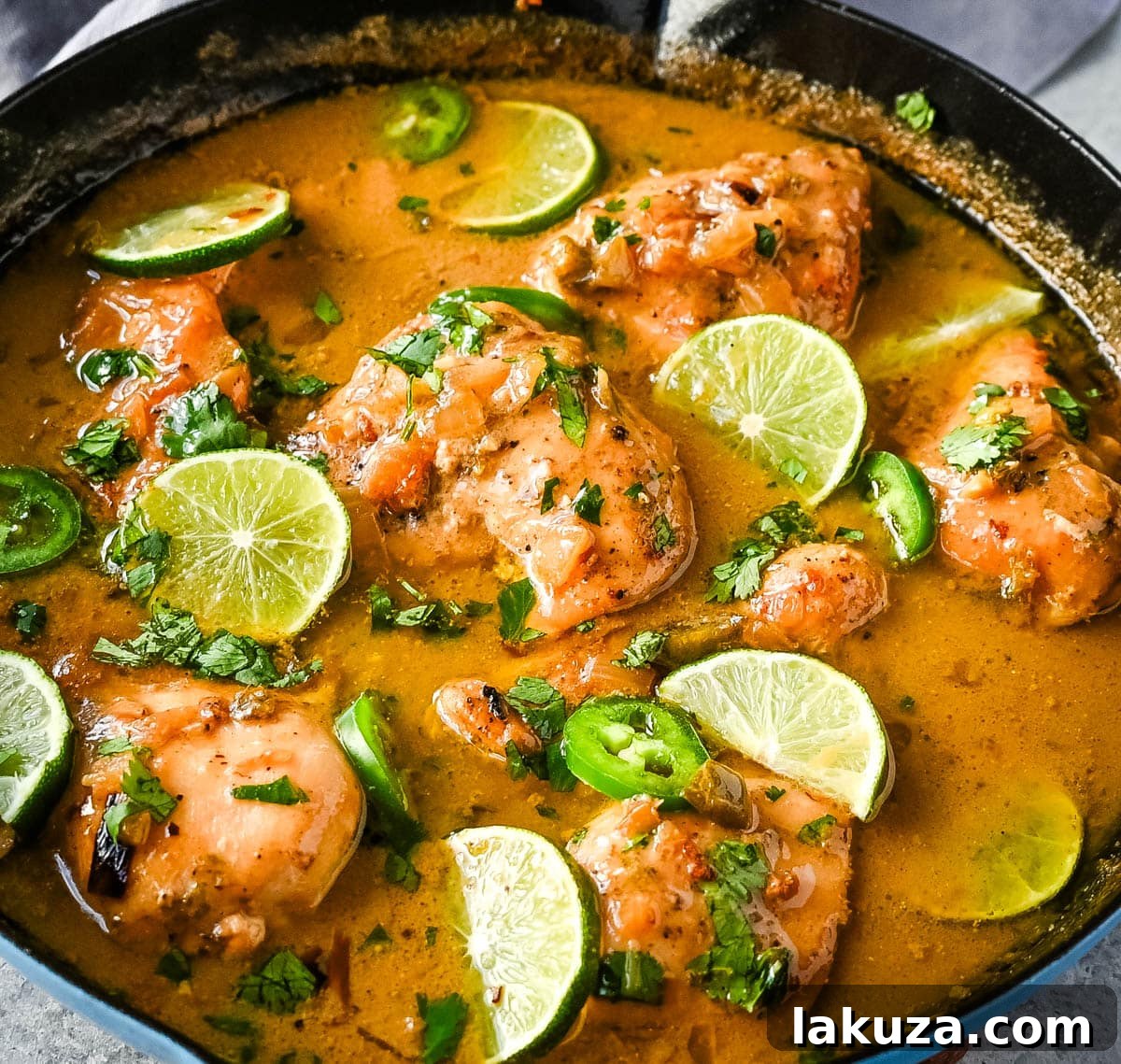
Welcome to your new favorite weeknight meal: Skillet Coconut Lime Chicken! This extraordinary dish brings together the vibrant flavors of a homemade coconut lime sauce, expertly crafted from rich, creamy full-fat canned coconut milk, the zesty punch of fresh lime juice and zest, and an aromatic blend of garlic and ginger. The result is a perfect harmony of sweet, savory, and tangy notes that will tantalize your taste buds. Paired with succulent, tender chicken breasts or thighs, this recipe delivers a truly flavorful and satisfying one-skillet dinner that’s surprisingly quick and incredibly easy to prepare.
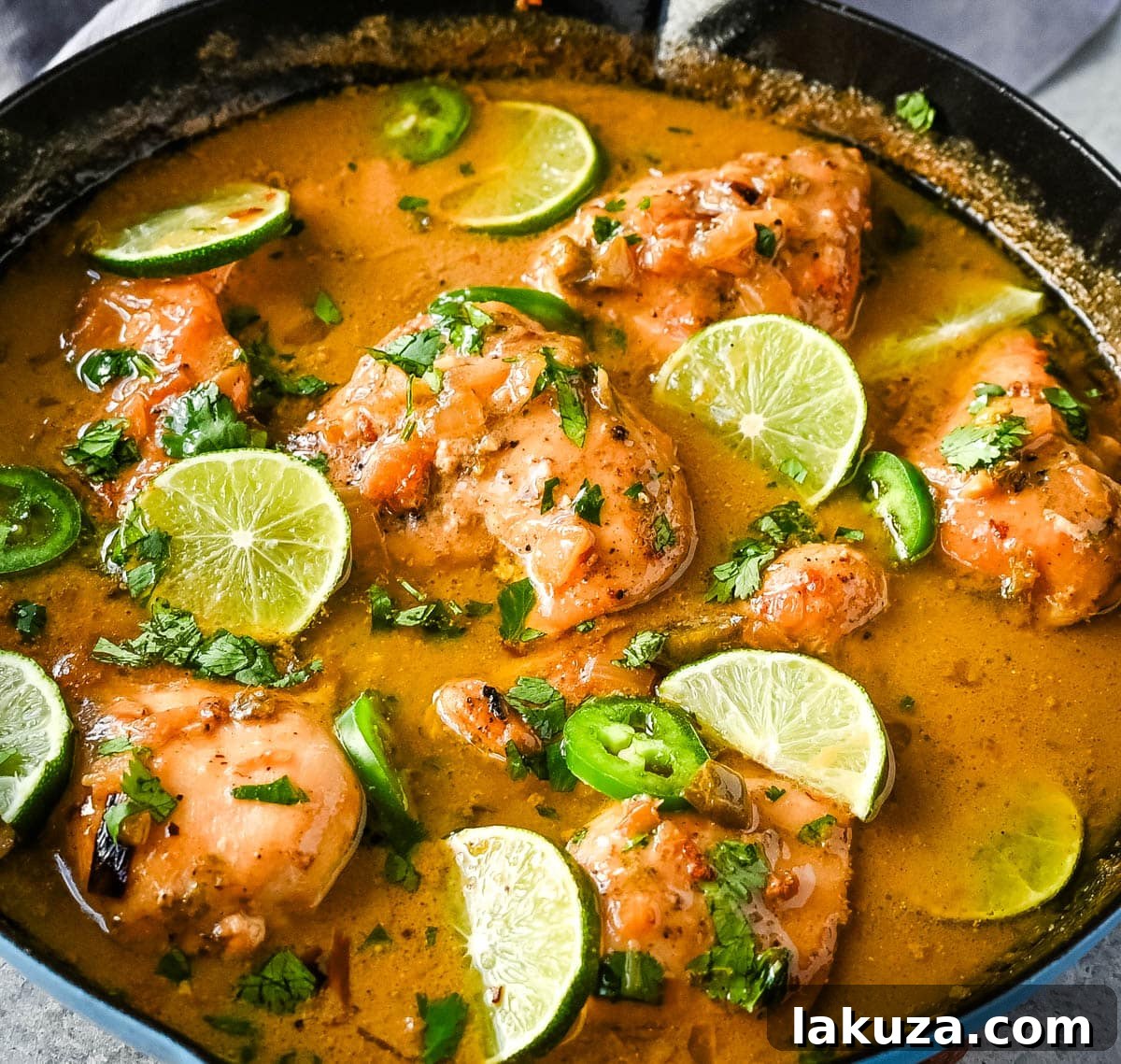
Life can be hectic, and finding time for elaborate meals often feels impossible. That’s why I’m always on the hunt for delicious dishes that come together in a flash. This Coconut Lime Chicken recipe is a true marvel, ready to grace your table in less than 20 minutes! Forget complicated steps or a mountain of dishes; this one-pan wonder is designed for busy evenings. The luxurious creaminess of the coconut milk beautifully balances the bright, citrusy tang of fresh lime, creating a sauce that’s both comforting and invigorating. It’s a delightful journey for your palate, offering a taste of tropical paradise right from your skillet.
Why You Will Absolutely Love This Skillet Coconut Lime Chicken
This isn’t just another chicken dinner; it’s a culinary experience designed for convenience and flavor. Here’s why this recipe is destined to become a staple in your kitchen:
- Effortless and Speedy: We all cherish an easy meal that doesn’t compromise on taste, especially one that comes together in under 20 minutes! This recipe is a lifesaver for those busy weeknights when you crave something homemade but lack the time. Its one-skillet nature also means minimal cleanup, freeing up more of your evening.
- A Symphony of Flavors: The velvety coconut lime sauce is truly a masterpiece. Each bite offers a vibrant interplay of fresh lime, the warming kick of ginger, pungent garlic, gently sautéed onion, and a hint of heat from fresh jalapeño, all enveloped in the rich, creamy embrace of coconut milk. It’s a complex flavor profile that keeps every mouthful exciting and leaves you wanting more.
- Perfectly Tender Chicken: Whether you opt for chicken breasts or thighs, the chicken emerges from the skillet incredibly tender and juicy. It absorbs all the luscious flavors of the sauce, ensuring a deeply satisfying and perfectly cooked protein component that complements the rich sauce beautifully.
- Versatile and Customizable: This recipe serves as a fantastic base for customization. Easily adjust the spice level, incorporate extra vegetables, or even swap out the protein. It’s adaptable to your preferences, making it a truly flexible dish for any occasion.
- Naturally Gluten-Free: For those with dietary considerations, this Skillet Coconut Lime Chicken is naturally gluten-free (ensure your soy sauce is gluten-free if needed, or use tamari), making it a wonderful option for a wide range of eaters.
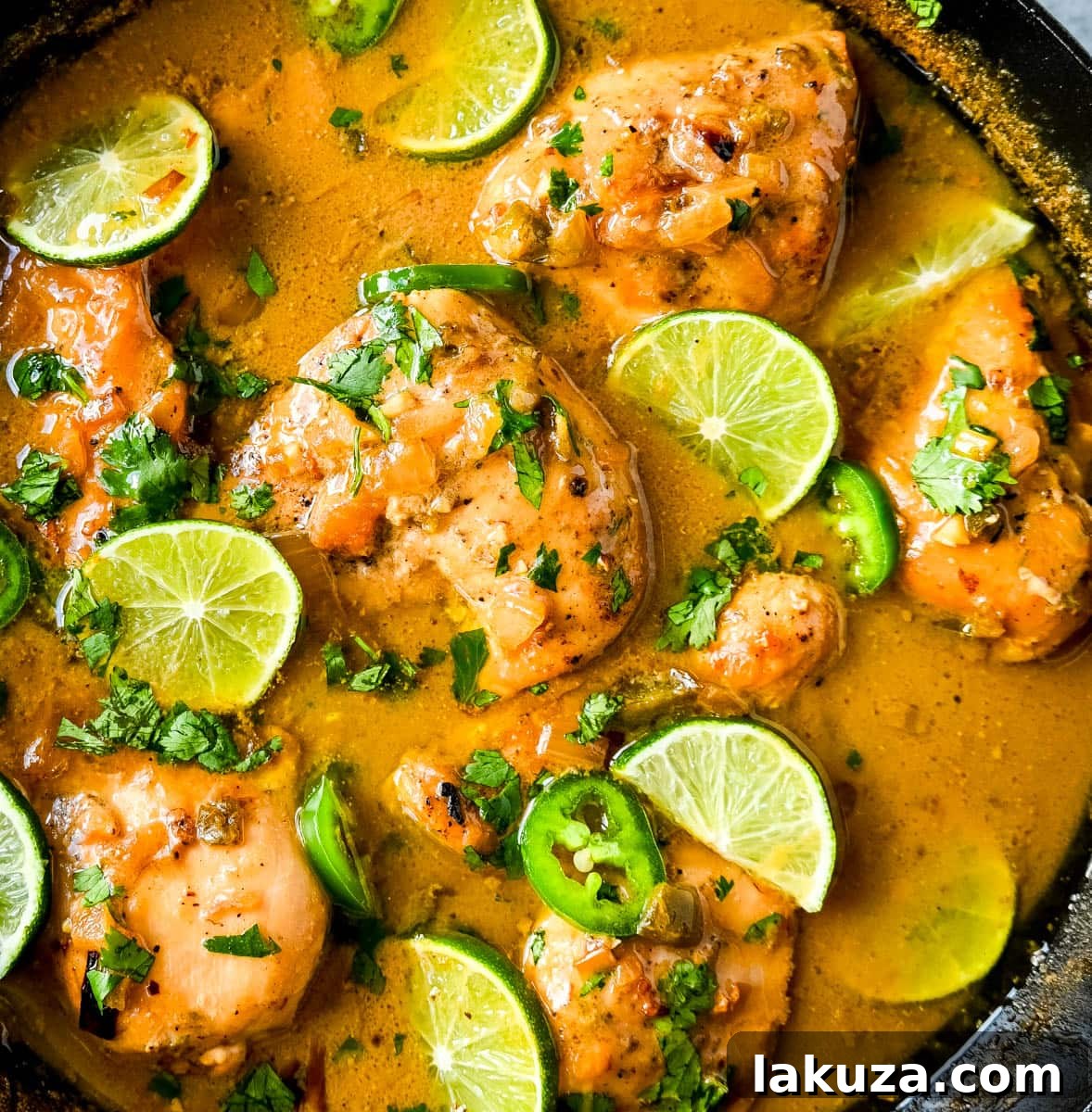
Essential Ingredients for Your Coconut Lime Chicken
Creating this flavorful dish requires a handful of fresh and pantry-friendly ingredients. The magic truly happens when these components come together to form the dynamic coconut lime sauce. While I’ve outlined the core ingredients, I’ll also suggest some easy substitutions and variations below to cater to your taste and what you have on hand.
- Chicken Thighs or Chicken Breast: The foundation of our meal! Both boneless, skinless chicken breasts and thighs work wonderfully. Chicken thighs tend to be more forgiving, offering a naturally juicier and richer flavor due to their higher fat content, making them a popular choice for this recipe. However, lean chicken breasts absorb the sauce beautifully and cook quickly. Choose your favorite!
- Salt and Pepper: Basic seasonings that are crucial for enhancing the chicken’s natural flavor before searing. You’ll also use them to adjust the final taste of the sauce, adding more as needed to achieve perfect balance.
- Cooking Oil: Essential for searing the chicken and sautéing the aromatics. A neutral oil like avocado oil, vegetable oil, or canola oil is ideal.
- Onion: Diced onion forms the aromatic base of our sauce. Sweet onions or yellow onions are excellent choices, providing a subtle sweetness and depth of flavor when softened. Red onion can also be used for a slightly sharper profile.
- Garlic: Freshly minced garlic is non-negotiable for its pungent, savory aroma. Add it towards the end of the sautéing process to prevent it from burning and becoming bitter; you want it fragrant, not browned.
- Jalapeño: This pepper introduces a mild, refreshing heat that complements the lime and coconut beautifully. For less spice, be sure to remove all the seeds and white membranes before finely dicing. For more heat, leave some seeds in, or add a pinch of red pepper flakes.
- Ginger: Fresh ginger root, finely diced or grated, is key for that distinct, warm, and slightly peppery kick that defines many Asian-inspired dishes. Ginger paste is a convenient alternative, or if using ground ginger powder, remember to reduce the amount significantly (about 1/2 to 1 teaspoon for every tablespoon of fresh ginger).
- Canned Coconut Milk: The heart of our creamy sauce! I highly recommend using good-quality full-fat canned coconut milk (not the kind in a carton for drinking). Its richness is essential for achieving the velvety texture and decadent flavor of the sauce. Light coconut milk can be used for a lighter version, but the sauce won’t be as luscious.
- Soy Sauce: Adds a crucial umami depth and savory saltiness to the dish. Use regular soy sauce, or opt for low-sodium soy sauce for better control over the saltiness. Tamari is an excellent gluten-free alternative.
- Brown Sugar: A touch of brown sugar is vital for balancing the tangy lime juice and savory soy sauce. Its subtle molasses notes contribute a wonderful depth and roundness to the flavor profile, creating that irresistible sweet and savory balance. You can substitute with granulated sugar if preferred.
- Fresh Lime Juice and Lime Zest: The star of the show for that vibrant, zesty tang! Always use fresh limes for the brightest, most authentic flavor. The zest contains essential oils that impart an intense citrus aroma and taste that bottled lime juice simply can’t replicate.
- Fresh Cilantro: A generous sprinkle of freshly chopped cilantro before serving adds a burst of freshness, color, and a herbaceous note that beautifully ties all the flavors together. If you’re not a fan of cilantro, chopped green onions or a sprinkle of toasted sesame seeds can make a lovely garnish.
Chicken Choice: Thighs vs. Breasts
In this Skillet Coconut Lime Chicken Recipe, both boneless, skinless chicken breasts and chicken thighs yield excellent results. Chicken thighs inherently contain more fat, making them incredibly tender and juicy, even if slightly overcooked. Chicken breasts, being leaner, cook faster and absorb the sauce flavors intensely. Choose based on your preference for texture and richness.
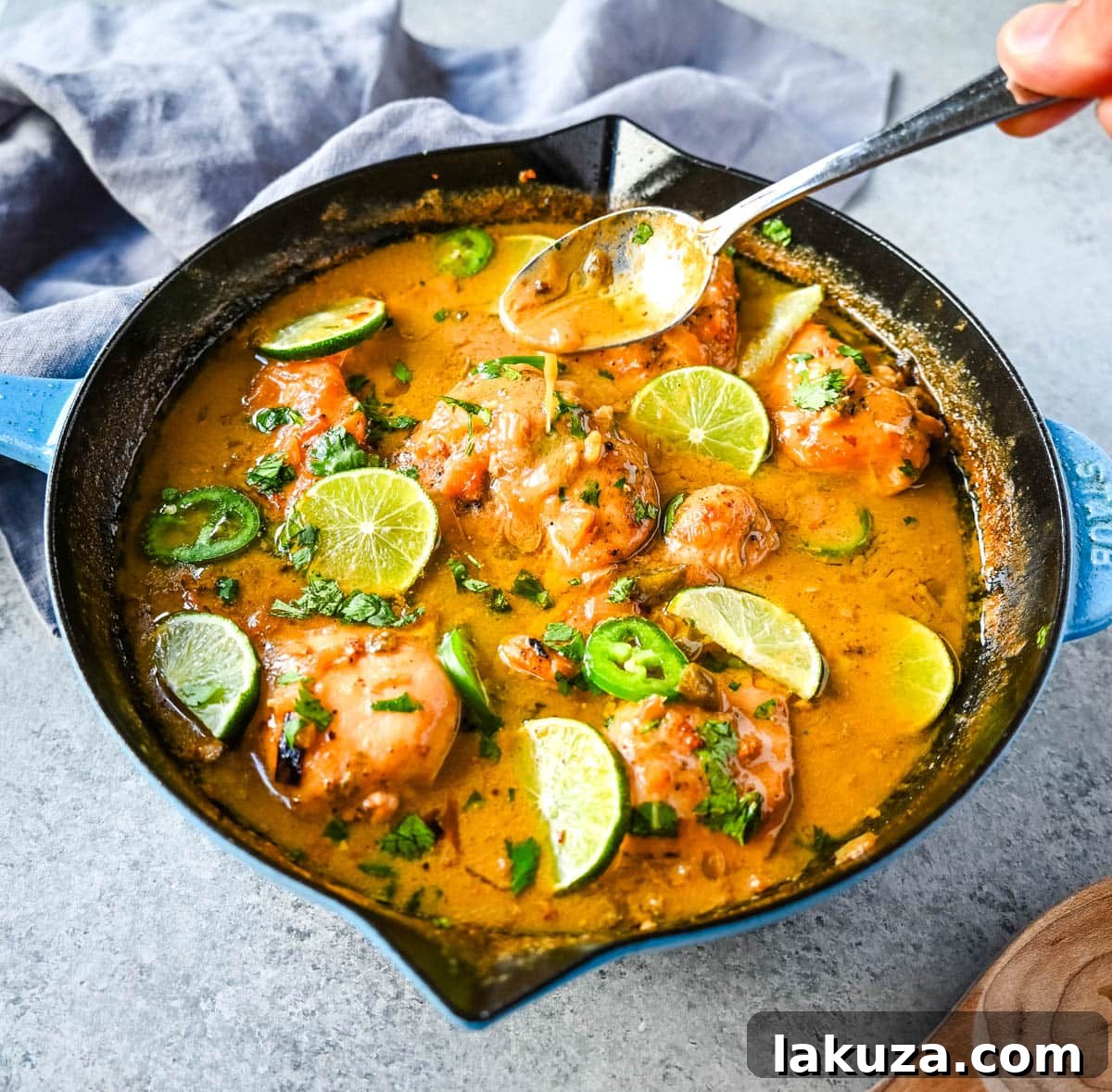
How to Prepare Your Skillet Coconut Lime Chicken: A Step-by-Step Guide
This Lime Coconut Chicken recipe is designed for maximum flavor with minimum fuss. To make the cooking process even smoother and faster, I highly recommend doing all your chopping and measuring (mise en place) for the sauce ingredients before you start cooking the chicken. This way, everything is ready to go!
- Prepare and Sear the Chicken: Begin by patting your chicken pieces dry with paper towels – this is crucial for a good sear. Generously season the chicken (whether whole breasts/thighs or bite-sized pieces) with salt and pepper on all sides. Heat a large, heavy-bottomed skillet (cast iron or stainless steel works best) over medium-high heat. Add your chosen cooking oil. Once the oil shimmers, carefully add the chicken to the hot skillet, ensuring not to overcrowd the pan. Cook for 2-3 minutes per side, allowing it to sear until golden brown and slightly caramelized. This searing step locks in the juices and develops incredible flavor. Once seared, remove the chicken from the skillet and transfer it to a plate, setting it aside. It won’t be fully cooked through yet, and that’s perfectly fine as it will finish cooking in the sauce.
- Sauté the Aromatics: Reduce the heat to medium. Add the diced onion and jalapeño to the same skillet (add a touch more oil if needed). Cook, stirring occasionally, for 5-6 minutes, or until the onions have softened and become translucent. Next, add the minced garlic and fresh ginger to the skillet. Cook for just 1 minute longer, stirring constantly, until fragrant. Be careful not to burn the garlic, as it can turn bitter.
- Build the Creamy Coconut Lime Sauce: Pour in the full-fat canned coconut milk, followed by the soy sauce, brown sugar, fragrant lime zest, and fresh lime juice. Stir well to combine all the ingredients. Bring the sauce to a gentle simmer and allow it to cook for 3-4 minutes, stirring occasionally, until it begins to slightly thicken. The heat will help the flavors meld and the sauce to reduce to a perfect consistency.
- Return Chicken and Finish Cooking: Carefully place the seared chicken back into the skillet, nestling it into the simmering sauce. If you’re using thicker chicken pieces, ensure they are submerged in the sauce as much as possible. Continue to cook for another 5-10 minutes (depending on the thickness of your chicken), or until the chicken is cooked all the way through and reaches an internal temperature of 165°F (74°C) when checked with a meat thermometer. Avoid overcooking, as this can lead to dry, rubbery chicken – we want it tender and juicy!
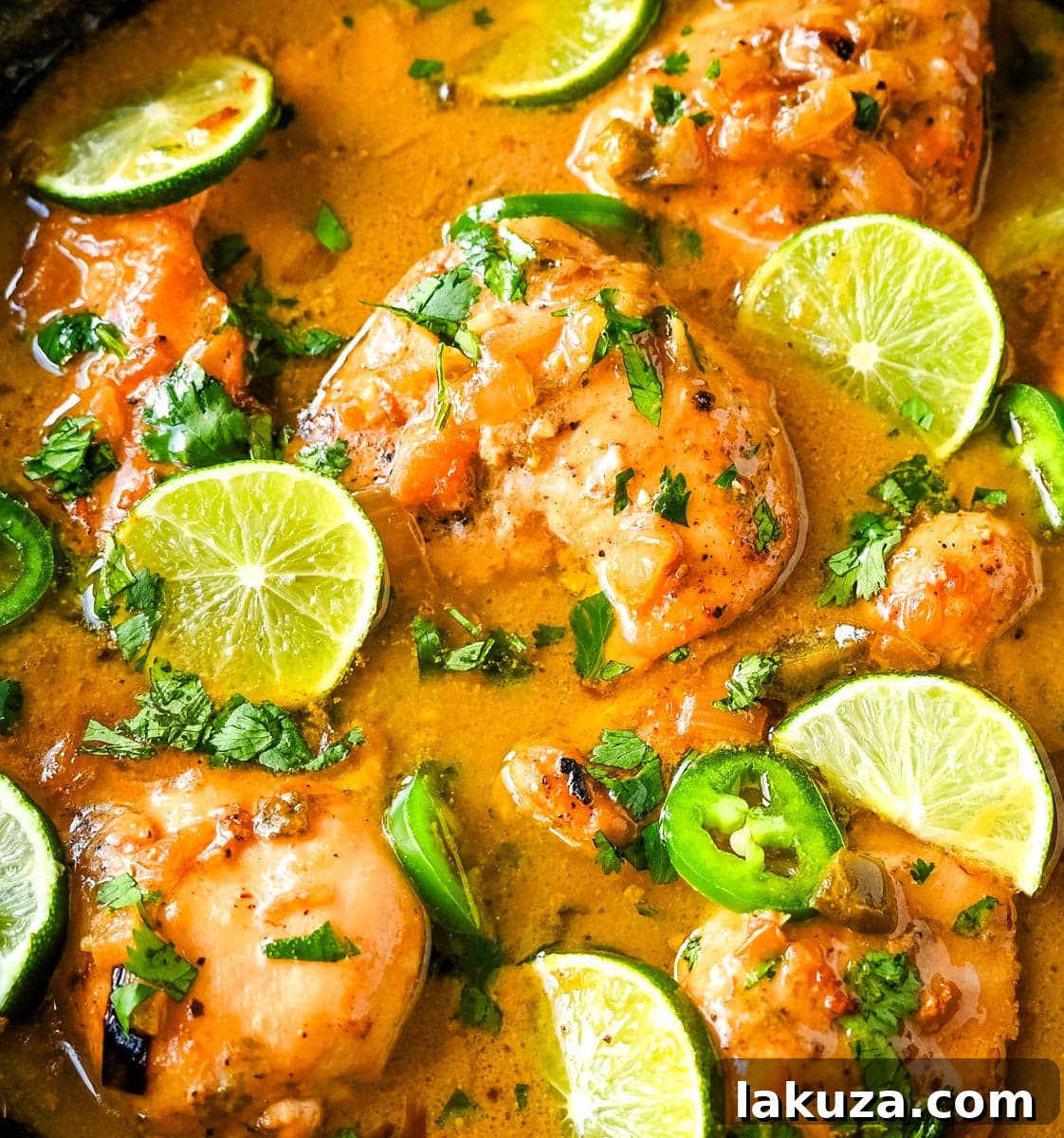
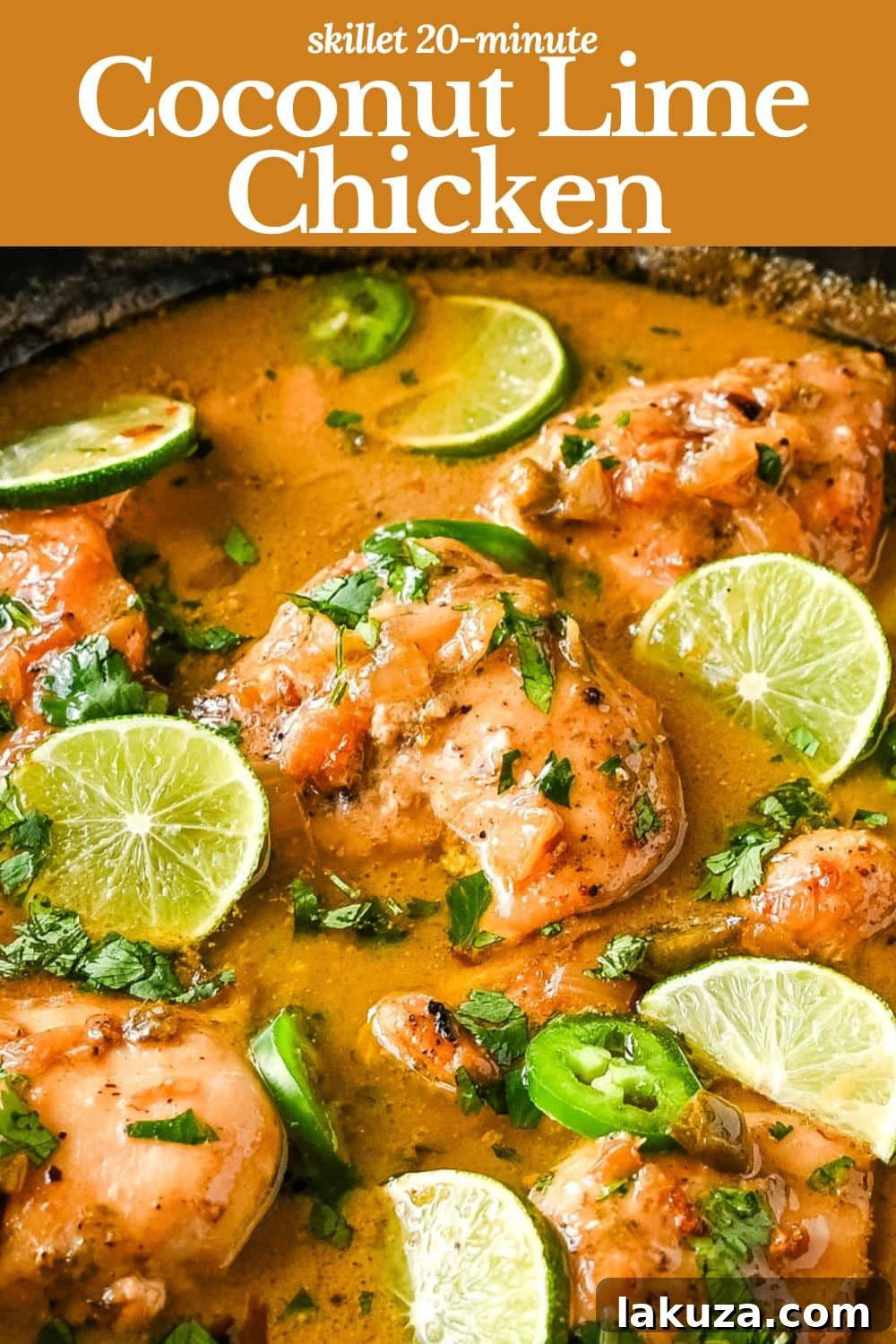
- Serve and Garnish: Once the chicken is cooked, use a spoon to generously coat each piece with the rich, thickened sauce. Taste the sauce and adjust seasonings as needed; you might want to add a pinch more salt, a splash more soy sauce for umami, or an extra squeeze of lime juice for brightness. Finally, sprinkle generously with freshly chopped cilantro and garnish with fresh lime slices for an extra pop of color and flavor. Serve immediately!
The Art of Searing Chicken
Don’t rush the initial searing of the chicken! Allow it to develop a beautiful golden-brown crust for a few minutes on each side before flipping. This crucial step not only adds incredible depth of flavor through the Maillard reaction but also helps to seal in the natural juices, guaranteeing tender and succulent chicken in every bite.
Substitutions and Creative Variations
This Skillet Coconut Lime Chicken recipe is wonderfully adaptable, allowing you to customize it to your taste or what you have available:
- Protein Alternatives: While chicken is traditional, feel free to experiment with other proteins. Shrimp cooks even faster and pairs beautifully with the sauce. Firm tofu or tempeh can be pressed, seared, and added for a delicious vegetarian option.
- Coconut Milk Choices: As mentioned, full-fat canned coconut milk provides the richest, most velvety sauce. However, if you’re looking to reduce calories, you can certainly use light canned coconut milk. Just be aware the sauce might be slightly thinner and less creamy.
- Adjusting Spice Levels: The jalapeño provides a mild, pleasant warmth. For a milder dish, simply omit the jalapeño entirely or use only half, ensuring all seeds and membranes are removed. If you crave more heat, leave some seeds in the jalapeño, or add a pinch of red pepper flakes along with the garlic and ginger.
- Adding Vegetables: Boost the nutritional value and texture by incorporating your favorite quick-cooking vegetables. Bell peppers (red, yellow, or orange), snap peas, broccoli florets, or spinach would all be delicious additions. Stir them in during the last few minutes of the sauce simmering, or sauté them briefly before adding the chicken back to the pan.
- Herb Alternatives: If cilantro isn’t your favorite, fresh basil or mint can offer a different, yet equally delightful, aromatic finish. Green onions are also a classic and safe bet for garnish.
- Citrus Swap: While lime is iconic for this dish, you could experiment with a combination of lime and lemon for a slightly different citrus profile.
- Sweetener Options: While brown sugar adds a lovely depth, you can use honey, maple syrup, or even a sugar substitute if you prefer. Adjust to taste.
Storing and Reheating Your Coconut Lime Chicken
One of the many benefits of this Skillet Coconut Lime Chicken is how well it stores, making it perfect for meal prep or enjoying leftovers. Proper storage ensures the flavors remain vibrant and the chicken stays tender.
- Refrigeration: Allow the cooked chicken and sauce to cool completely to room temperature. Transfer it to an airtight container and store it in the refrigerator for up to 3-5 days. The flavors often deepen overnight, making leftovers even more delicious!
- Reheating on the Stovetop: For the best results, reheat your Coconut Lime Chicken in a skillet over medium-low heat. Add a splash of water or chicken broth to loosen the sauce if it has thickened too much in the fridge. Stir gently until the chicken is warmed through, ensuring it doesn’t dry out. This method helps maintain the chicken’s tenderness and the sauce’s consistency.
- Reheating in the Microwave: If using a microwave, place the chicken and sauce in a microwave-safe dish. Heat at 50% power in short bursts (1-2 minutes at a time), stirring in between, until heated through. Heating at a lower power setting helps prevent the chicken from becoming tough or rubbery.
- Freezing: This dish also freezes well for longer storage. Once completely cooled, transfer the chicken and sauce to a freezer-safe airtight container or heavy-duty freezer bag. It can be stored in the freezer for up to 2-3 months. Thaw overnight in the refrigerator before reheating using the stovetop or microwave method.
What to Serve with Coconut Lime Chicken?
This versatile dish pairs wonderfully with a variety of sides. The classic choice is fluffy white or brown rice, which perfectly soaks up all the delicious sauce. For a heartier meal, serve it alongside creamy garlic mashed potatoes. Other fantastic options include quinoa, couscous, steamed jasmine rice, a crisp green salad, or even some sautéed green beans or asparagus for a complete and balanced plate.
Explore More Thai-Inspired Recipes:
Thai Red Chicken Curry
Thai Chicken Noodles
Thai Chicken Noodle Soup
Thai Chicken Curry Bowls
Pin
★★★★★
Coconut Lime Chicken
Ingredients
- 2 lbs. Chicken Thighs or Chicken Breast
- 1 teaspoon Salt
- 1 teaspoon Pepper
- 2 Tablespoons Oil
- 1/2 large Onion (diced)
- 1 Jalapeno (finely diced)
- 3 Garlic Cloves (finely diced)
- 1/2 Tablespoon Fresh Ginger (diced or 1 teaspoon ground ginger)
- 14-ounce can Canned Coconut Milk
- 1 Tablespoon Soy Sauce
- 2 Tablespoons Brown Sugar
- Lime Zest (from one lime)
- 2 Tablespoons Fresh Lime Juice
- Cilantro (chopped)
Instructions
-
Generously sprinkle chicken with salt and pepper. The chicken thighs or breasts can be kept whole or cut into small bite-size pieces. Heat a large skillet over medium-high heat. Add oil. Cook the chicken for 2-3 minutes per side until seared. Remove the chicken from the skillet and place on a plate.
-
Reduce heat to medium. Add the onion and jalapeno and cook for 5-6 minutes or until softened. Add garlic and ginger and cook for 1 minute longer until fragrant.
-
Add canned coconut milk, soy sauce, brown sugar, lime zest, and lime juice. Allow the sauce to begin to thicken for 3-4 minutes.
-
Add in chicken and let it cook in the sauce. If the chicken is thicker, it may need more time to cook through. Use a meat thermometer to check for an internal temperature of 165°F. Avoid overcooking to keep chicken tender and juicy.
-
Using a spoon, coat the chicken with the sauce. Taste the sauce and add more salt or soy sauce, as needed. Sprinkle with cilantro and garnish with fresh lime slices.
Notes
Use either chicken thighs or chicken breast in this recipe.
You can use low-fat canned coconut milk but full-fat canned coconut milk is suggested for the most velvety, creamiest coconut sauce.
If you don’t like spicy foods, you may omit the jalapeno or use half of a jalapeno, removing all seeds and membranes.
Serve this dish over rice, or with garlic mashed potatoes.
Nutrition information is automatically calculated, so should only be used as an approximation.