
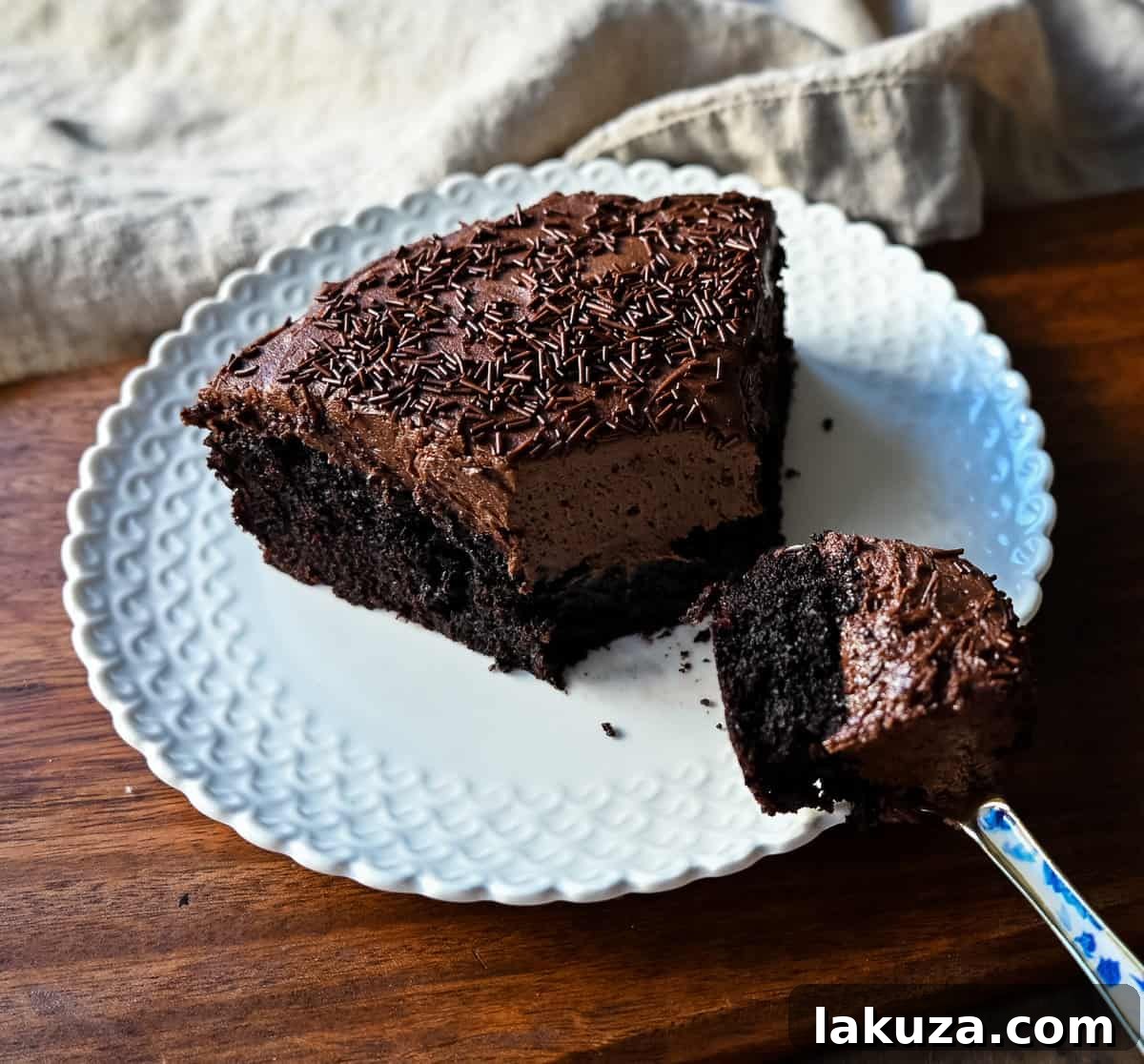
Indulge in the sublime richness of our **Chocolate Olive Oil Cake**, a truly decadent dessert that redefines homemade chocolate cake. This recipe delivers an exceptionally moist, deeply flavored chocolate cake, elegantly crowned with a luscious, homemade chocolate buttercream frosting. Forget dry, crumbly cakes; this creation is a symphony of tender texture and intense chocolate aroma, made even more special with the unique touch of olive oil.
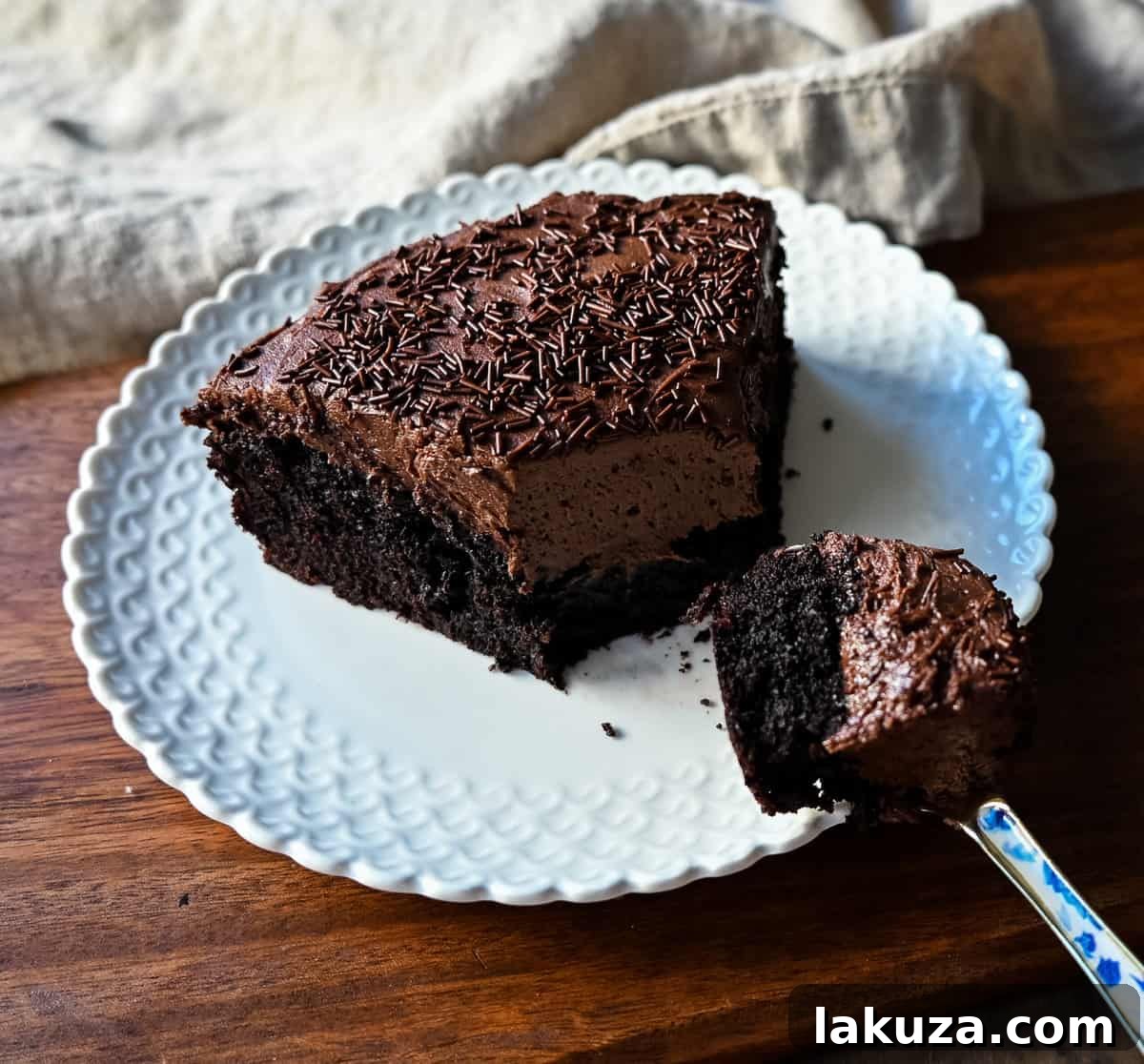
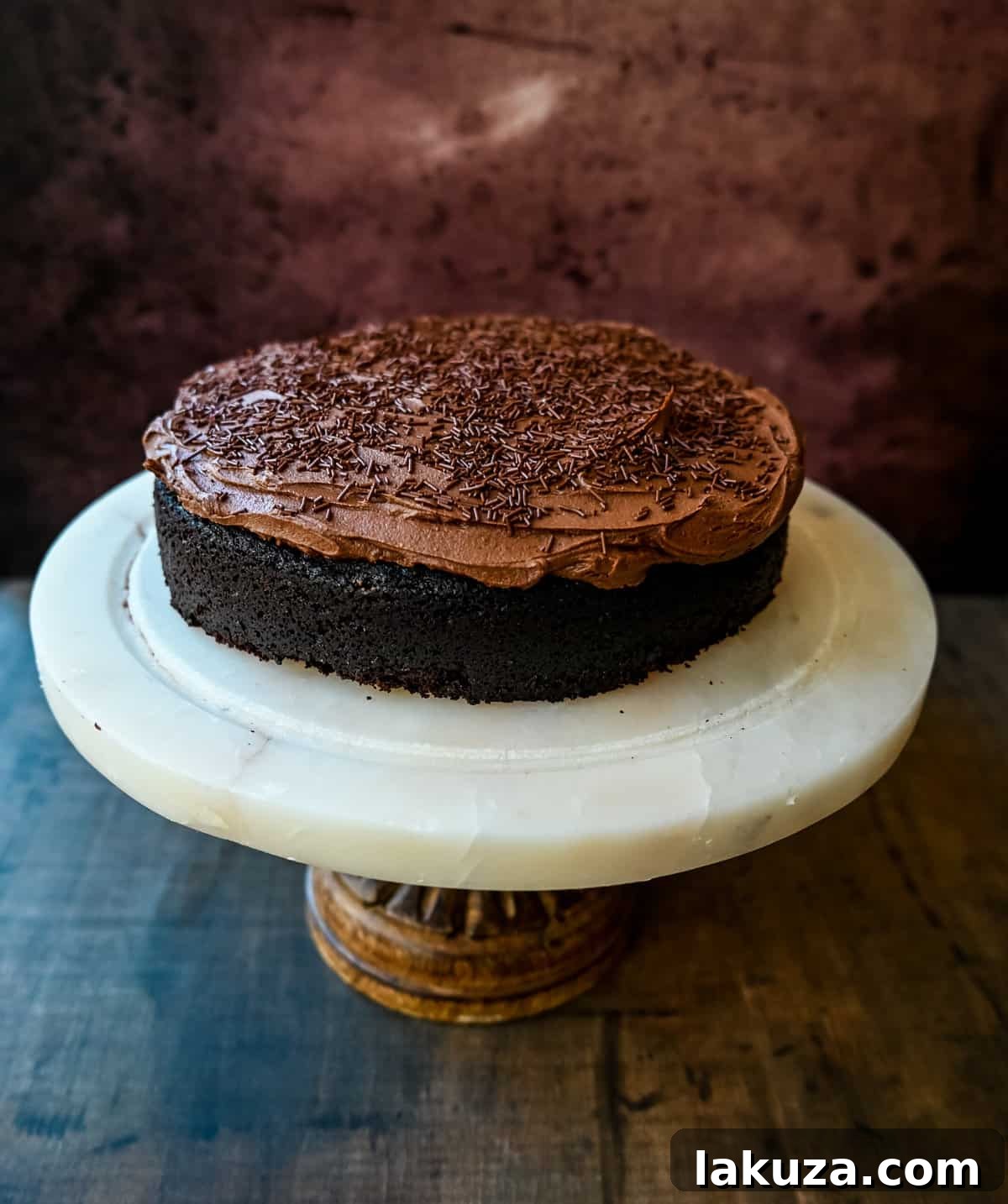
As a passionate enthusiast for homemade chocolate cake, I’ve spent years perfecting the art of a truly unforgettable dessert. My original best homemade chocolate cake recipe has garnered thousands of rave reviews, becoming a cherished favorite for many bakers. Building on that success, I wanted to craft a more accessible version – a stunning, yet simple, one-layer chocolate cake designed for an everyday indulgence or a smaller gathering. This 9-inch pan wonder is effortlessly frosted, making it ideal when you desire a show-stopping dessert without the fuss of multiple layers.
For those who adore the delicate charm of olive oil in baking, this chocolate variation will be a delightful discovery. If you’re keen to explore more, I highly recommend trying my bright Lemon Olive Oil Cake or the classic, elegant Olive Oil Cake Recipe. Each offers a unique experience, showcasing the versatility and magic that olive oil brings to sweet treats.
Why This Chocolate Olive Oil Cake Will Be Your New Favorite
Prepare to fall in love with this extraordinary chocolate olive oil cake. It’s more than just a dessert; it’s an experience designed for pure enjoyment. Here are the compelling reasons why this recipe stands out:
- A True Chocolate Lover’s Dream: This is not just any chocolate cake; it’s an intensely rich, profoundly moist, and utterly decadent creation. Every bite is packed with deep, complex chocolate flavor, a true indulgence for anyone who savors the luxurious taste of cocoa. The olive oil elevates the chocolate notes, adding a sophisticated depth you won’t find in traditional recipes.
- Effortless Elegance with One Layer: We understand that not everyone enjoys the challenge of frosting elaborate multi-layer cakes. This recipe simplifies the process dramatically by featuring a single, perfect layer. It’s incredibly easy to frost, allowing you to achieve a beautiful, professional-looking finish without any stress. This makes it a fantastic choice for casual events, weeknight treats, or when you want a homemade cake that’s both impressive and simple to prepare.
- Unmatched Moisture from Olive Oil: The inclusion of olive oil is the secret to this cake’s unparalleled moistness. Unlike butter, olive oil remains liquid at room temperature, contributing to a tender crumb that stays fresh and delightful for days. It creates a velvety texture that melts in your mouth, making each slice a truly luxurious experience.
- Simple Ingredients, Exceptional Results: Despite its gourmet taste, this cake relies on straightforward ingredients commonly found in most pantries. The magic lies in their combination and preparation, proving that extraordinary flavor doesn’t require exotic components.
- Perfect for Any Occasion: Whether you’re celebrating a birthday, hosting a dinner party, or simply craving a delicious treat, this single-layer chocolate olive oil cake fits every scenario. Its simplicity makes it approachable, while its exquisite taste makes it special.
Essential Ingredients for Your Decadent Cake
Crafting this magnificent chocolate olive oil cake begins with a selection of high-quality ingredients. Each component plays a crucial role in achieving the desired flavor and texture, from the deeply moist cake to the silky, smooth frosting. Pay attention to the details, and you’ll be rewarded with a truly unforgettable dessert.
Chocolate Cake Ingredients:
- Olive Oil: The star ingredient that contributes immensely to the cake’s incredibly moist crumb and tender texture. It also imparts a subtle, fruity undertone that complements the rich chocolate beautifully. For the best results, always use **fresh, good quality extra virgin olive oil** – its flavor will subtly infuse the cake without being overpowering. Avoid older or rancid olive oil, as it can introduce bitter notes.
- Sugar: Provides essential sweetness and helps with the cake’s structure and browning.
- Egg: Acts as a binder, adds structure, moisture, and richness to the cake batter.
- Buttermilk: This acidic ingredient is key to achieving a wonderfully tender cake texture and contributes significantly to its moistness. It reacts with the baking soda, aiding in leavening and creating a lighter crumb. If you don’t have buttermilk, you can easily make a substitute by adding 1 tablespoon of white vinegar or lemon juice to a measuring cup and filling the rest with regular milk to make 1/2 cup. Let it sit for 5 minutes before using.
- Cocoa Powder: The source of our rich chocolate flavor. Use **unsweetened baking cocoa** for optimal control over sweetness. The quality of your cocoa powder directly impacts the cake’s flavor depth. I highly recommend using a high-quality brand, such as Callebaut, which I often buy in bulk for its superior taste and color. Dutch-processed cocoa powder will give a darker color and mellower flavor, while natural cocoa powder offers a fruitier, more intense chocolate profile.
- Vanilla Extract: Enhances and rounds out the chocolate flavor, adding a warm, aromatic depth. Use pure vanilla extract for the best taste.
- Flour: The structural backbone of the cake. You can use **all-purpose flour** for a reliable result or **cake flour** for an even finer, more tender crumb. A combination of half cake flour and half all-purpose flour also works beautifully to balance tenderness and structure.
- Baking Soda, Baking Powder, Salt: These leavening agents and flavor enhancers work in harmony. Baking soda reacts with the acidic buttermilk to create lift, while baking powder provides additional leavening. Salt balances the sweetness and brings out the complexity of the chocolate.
- Hot Water: Crucial for activating the cocoa powder, allowing it to “bloom” and intensify its flavor. It also helps to activate the baking soda and baking powder quickly, contributing to a light and airy texture.
Chocolate Frosting Ingredients:
A cake this magnificent deserves a truly exceptional frosting. Our homemade chocolate buttercream is rich, creamy, and perfectly complements the olive oil chocolate cake.
- Butter: The foundation of any good buttercream. Ensure your butter is **softened to room temperature** for easy creaming and a smooth texture. You can use either salted or unsalted butter; if using unsalted, add a small pinch of salt to the frosting to enhance its flavor and balance the sweetness.
- Cocoa Powder: Provides the rich chocolate flavor for our frosting. As with the cake, a good quality unsweetened cocoa powder will make a noticeable difference in taste and color.
- Powdered Sugar (Confectioners’ Sugar): Essential for a smooth, lump-free frosting. Sift it if clumpy to ensure the silkiest texture.
- Heavy Cream or Milk: Used to achieve the desired consistency for your buttercream. For an extra creamy and luxurious frosting, **heavy cream or half-n-half** is highly recommended. Regular milk can also be used, but you might need slightly less or more to reach the perfect spreadable consistency.
- Light Corn Syrup: (Optional, but highly recommended) Adding a touch of light corn syrup is a professional baker’s secret to giving your frosting a beautiful glossy, shiny finish and improved stability. It also helps keep the frosting smooth and prevents it from crusting too quickly.
Expert Baking Tip: Avoid Overbaking!
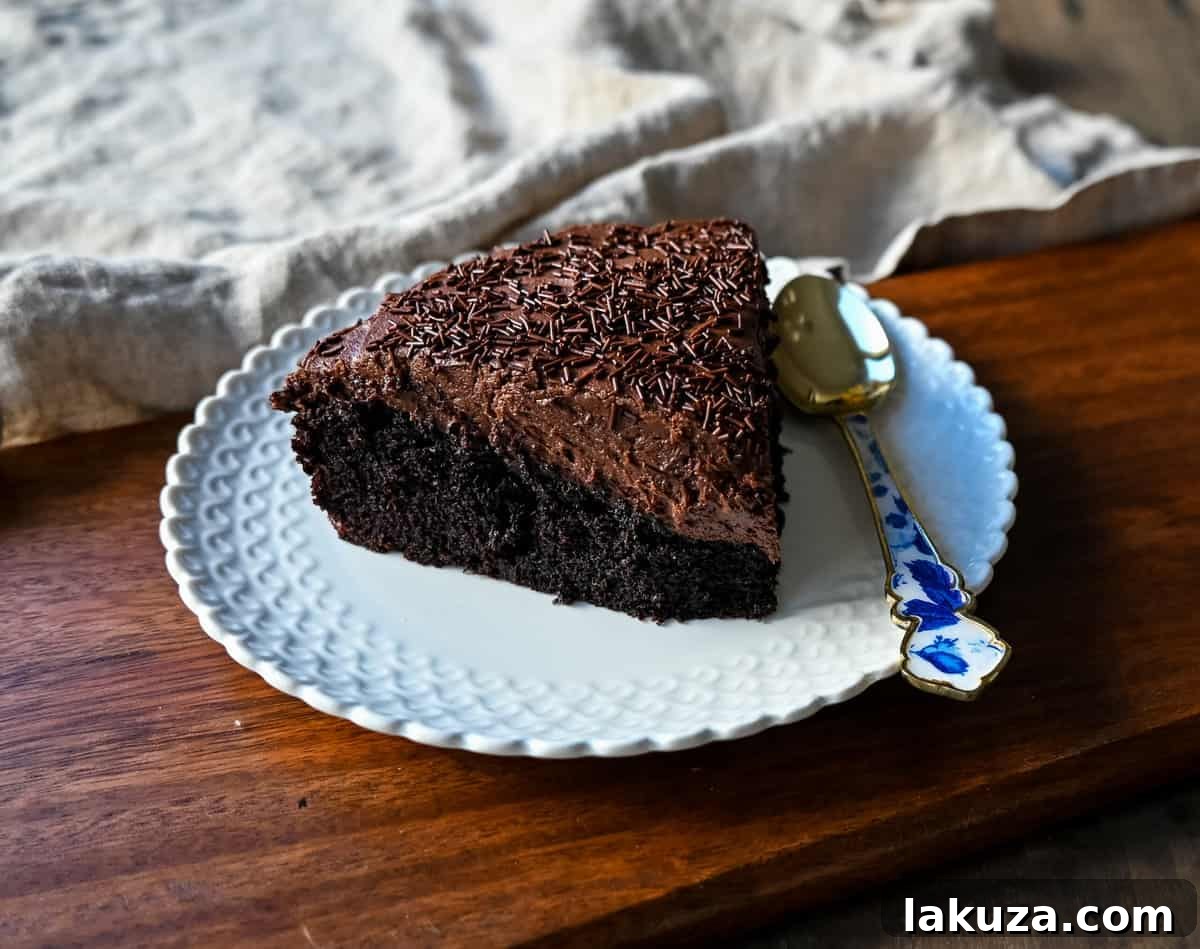
One of the most crucial steps to a perfectly moist cake is to avoid overbaking. Oven temperatures can vary significantly, so relying solely on the recipe’s bake time might lead to a dry cake. Always check for doneness by inserting a cake tester or a clean wooden toothpick into the center of the cake. If it comes out clean or with a few moist crumbs attached, your cake is ready. If it comes out liquidy, it needs a few more minutes in the oven. Keep a close eye on it, especially towards the end of the baking time, as cakes can go from perfectly done to overbaked very quickly.
Step-by-Step Baking Instructions
Follow these detailed steps to create your perfect Chocolate Olive Oil Cake. Precision and attention to detail will ensure a delicious outcome.
- First, prepare your oven and pan: Preheat your oven to 350°F (175°C). Lightly grease and flour one 9-inch round cake pan, or spray it with a non-stick cooking spray. For an even easier release, you can also line the bottom of the pan with a parchment paper round.
- In a large mixing bowl, combine all the dry ingredients for the cake: flour, sugar, cocoa powder, baking soda, baking powder, and salt. Whisk them together thoroughly to ensure they are well combined and evenly distributed. This step prevents lumps and ensures uniform leavening throughout the cake.
- In a separate, medium-sized mixing bowl, combine the wet ingredients: olive oil, the large egg, buttermilk, and vanilla extract. Beat these ingredients together with an electric mixer or whisk for about 1 minute, until they are well emulsified and slightly frothy.
- Gradually add the dry ingredient mixture to the wet ingredients. Mix on low speed, or stir gently by hand, just until everything is combined. Be careful not to overmix the batter; overmixing can develop the gluten in the flour, leading to a tough cake. A few small lumps are perfectly fine.
- Finally, pour the hot water into the batter and mix briefly until just incorporated. The batter will be quite thin and liquidy at this stage, but do not be alarmed—this is exactly how it should be! This liquid consistency is key to achieving that incredibly moist texture in your finished chocolate olive oil cake.
- Pour the prepared cake batter evenly into your greased and floured 9-inch cake pan. Tap the pan gently on the counter a couple of times to release any large air bubbles.
- Bake in the preheated oven for approximately 22-25 minutes. Begin checking for doneness around the 20-minute mark. Insert a cake tester or a toothpick into the center of the cake; if it comes out clean or with only a few moist crumbs attached, the cake is done. Avoid opening the oven door too frequently during baking.
- Once baked, remove the cake from the oven and allow it to cool in the pan on a wire rack for about 10-15 minutes. This allows the cake to set and prevents it from breaking when removed. After this initial cooling, invert the cake onto the wire rack to cool completely before applying the frosting. Attempting to frost a warm cake will result in melted frosting!
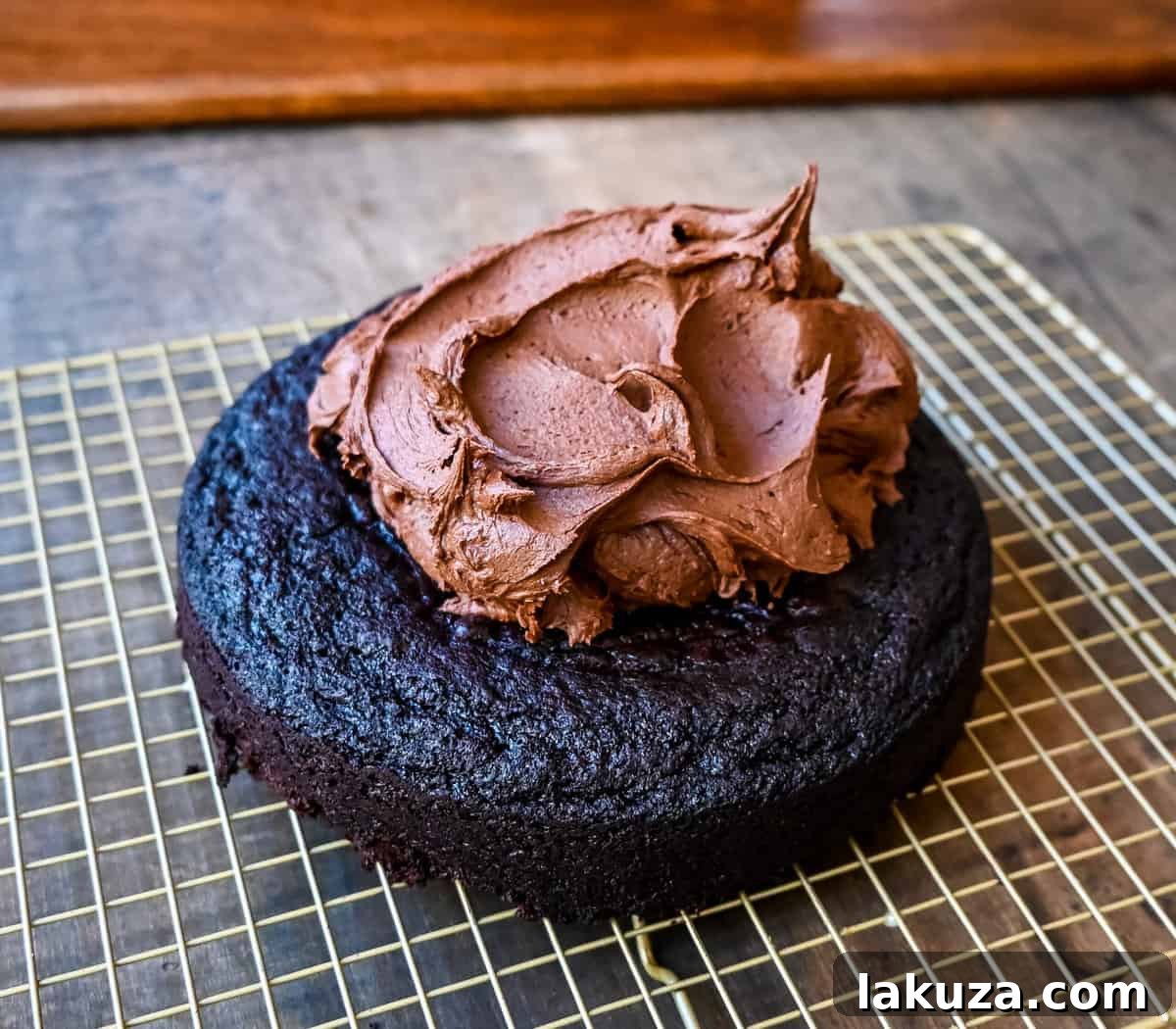
To Make the Silky Chocolate Buttercream:
While your cake is cooling, prepare the rich and velvety chocolate buttercream frosting. This frosting is simple to make and provides the perfect complement to the moist cake.
- In a large mixing bowl, using an electric mixer, cream together the softened butter and cocoa powder until light and fluffy. This ensures the cocoa is fully incorporated and prevents a gritty texture.
- Gradually add the powdered sugar, about 1 cup at a time, mixing on low speed until combined. Once all the sugar is added, slowly pour in 2 tablespoons of heavy cream (or milk) and the light corn syrup (if using).
- Increase the mixer speed to medium-high and beat for 3-5 minutes, or until the frosting is light, fluffy, and smooth. If the frosting is too thick, add additional heavy cream or milk, one tablespoon at a time, until you reach your desired spreadable consistency. If it’s too thin, add a little more powdered sugar.
- Once the cake has completely cooled and has been removed from its pan, it’s time to frost! Use an offset spatula or a butter knife to spread a generous layer of the homemade chocolate buttercream evenly over the top and sides of the single-layer cake.
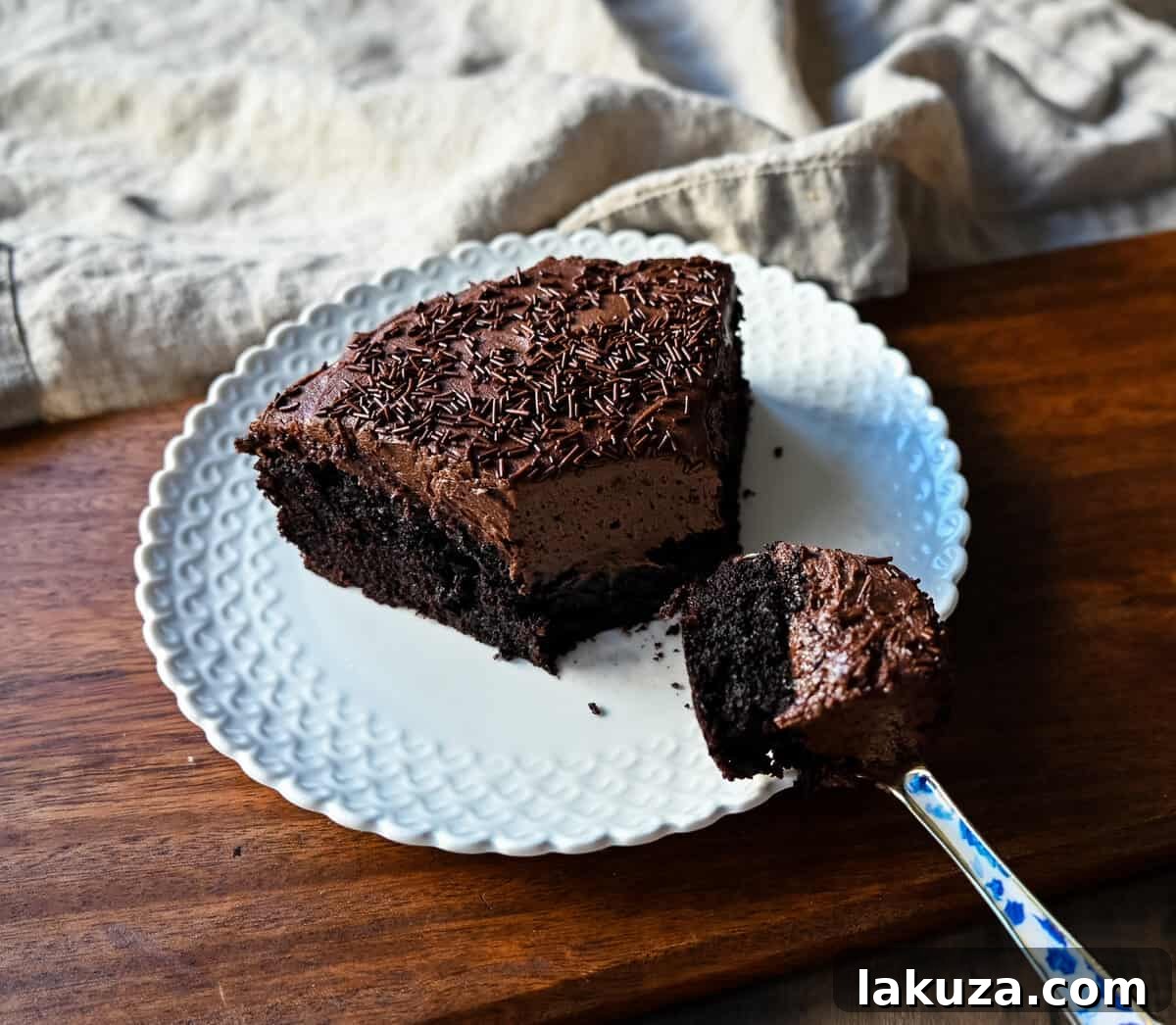
- For a beautiful finishing touch, consider garnishing your frosted cake. You can sprinkle it with elegant chocolate shavings, a handful of mini chocolate chips, or a festive array of colorful sprinkles. Enjoy your perfectly crafted chocolate olive oil cake!
Frequently Asked Questions About This Recipe
The most important aspect when selecting olive oil for this cake is its freshness. Using fresh olive oil is paramount, as old or rancid olive oil can develop a strong, bitter, or unpleasant taste that will negatively impact the delicate flavor of your cake. Ideally, opt for a good quality extra virgin olive oil. Extra virgin olive oil typically has a shelf life of 12-18 months, but this can vary depending on how it’s stored. To ensure freshness, always smell the olive oil before using it—it should have a pleasant, slightly fruity or peppery aroma. If possible, give it a small taste; it should taste vibrant and fresh, not stale or metallic. A mild or light olive oil can also be used if you prefer a less pronounced olive oil flavor.
The simplest and most reliable method to determine if your cake is done is by using a cake tester or a clean wooden toothpick. Gently insert it into the very center of the cake. If the tester comes out clean, or with only a few moist crumbs clinging to it, your cake has finished baking. If the tester comes out with liquid batter, the cake requires more baking time. Continue to bake in short increments (2-3 minutes) and retest until it passes the clean toothpick test. Be vigilant, as overbaking can quickly lead to a dry cake.
Achieving a beautifully glossy, shiny finish on your homemade chocolate buttercream is a simple trick! The key ingredient is light corn syrup. By incorporating just 1 to 2 tablespoons of light corn syrup into your buttercream recipe, you’ll impart a wonderful sheen that makes your frosting look incredibly smooth and professionally crafted. Not only does it add a gorgeous gloss, but it also helps to keep the frosting pliable and less prone to crusting, making it easier to work with and ensuring a delightful texture with every bite.
Substitutions and Creative Variations
While this chocolate olive oil cake recipe is perfect as is, it’s also wonderfully adaptable! Feel free to experiment with these substitutions and variations to tailor it to your preferences or what you have on hand.
- Alternative Oils: If olive oil isn’t available or if you prefer a different flavor profile, you can successfully substitute other neutral-flavored oils in this cake recipe. Excellent choices include canola oil, vegetable oil, melted coconut oil (ensure it’s melted and cooled slightly), or avocado oil. These oils will still contribute to the cake’s remarkable moisture, though they may slightly alter the subtle nuances of the flavor.
- Frosting Flavors: While the chocolate buttercream is incredibly delicious, you’re not limited to it! This versatile chocolate cake pairs beautifully with other frosting options. Consider a classic vanilla buttercream for a “black and white” cake appeal, or a tangy cream cheese frosting for a delightful contrast. For a lighter touch, a simple dusting of powdered sugar can be elegant, or a rich chocolate ganache can elevate the decadence.
- Flavor Enhancements: To add another layer of complexity, try incorporating a pinch of cinnamon or a tiny dash of cayenne pepper (for a Mexican hot chocolate vibe) into the cake batter. A teaspoon of espresso powder will also deepen the chocolate flavor without making it taste like coffee.
- Mix-ins: Fold in chocolate chips, chopped nuts (like pecans or walnuts), or even dried cherries or raspberries into the batter just before baking for added texture and flavor.
- Citrus Zest: For a bright counterpoint to the rich chocolate, add a teaspoon of orange zest to the cake batter. Chocolate and orange are a classic pairing that works wonderfully here.
Explore More Popular Chocolate Cake Recipes:
Love at First Sight Chocolate Cake
Chocolate Cake with Vanilla Frosting
Chocolate Raspberry Cake
Chocolate Zucchini Cake
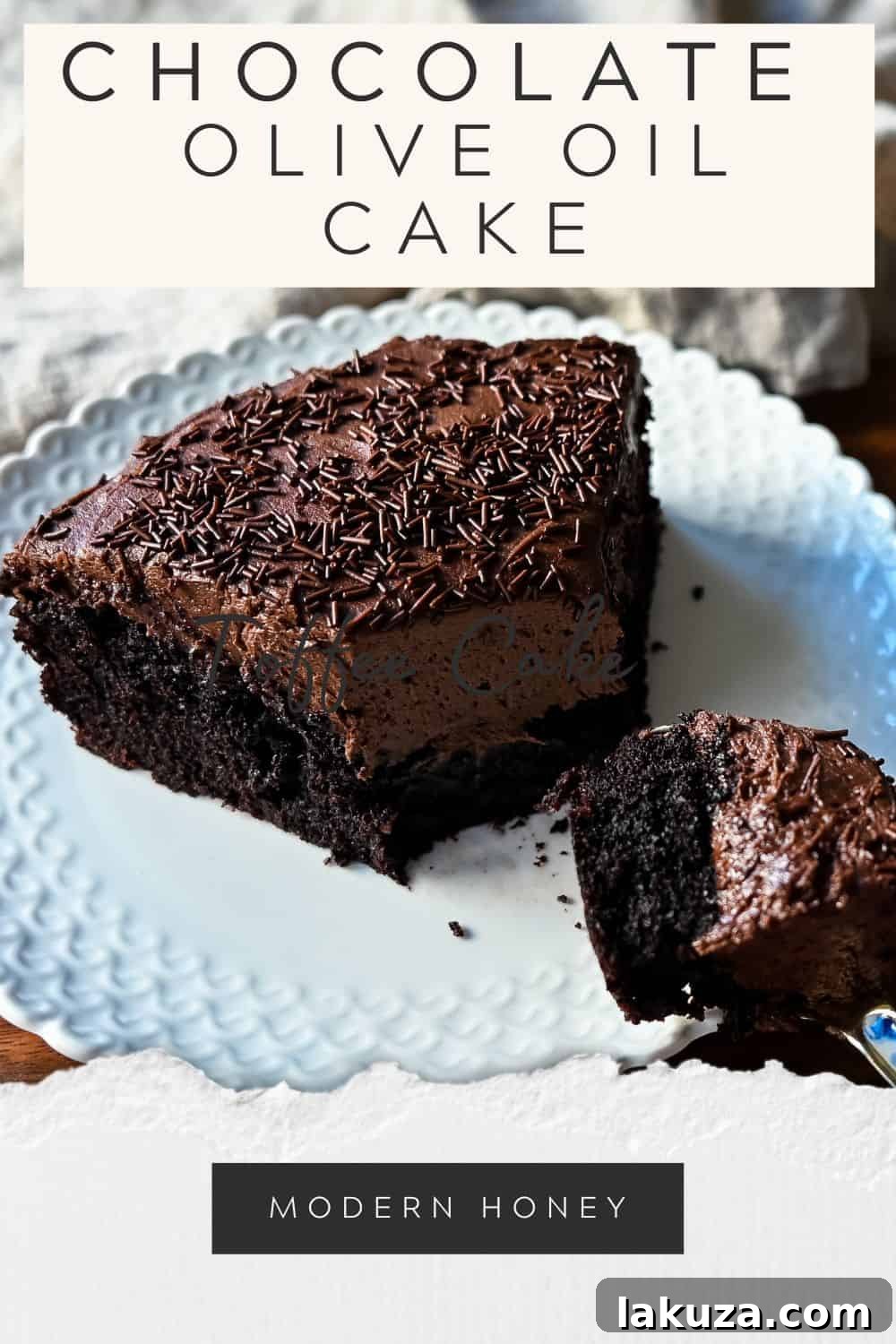
Chocolate Olive Oil Cake
A moist, rich chocolate cake crafted with the delicate flavor of olive oil and elegantly frosted with a creamy, homemade chocolate buttercream. This recipe promises a truly decadent dessert experience.
Ingredients
For the Chocolate Cake:
- 1 cup All-Purpose Flour (or Cake Flour)
- 1 cup + 1 Tablespoon Granulated Sugar
- 1/2 cup Unsweetened Cocoa Powder (high quality recommended)
- 1 teaspoon Baking Soda
- 1/2 teaspoon Baking Powder
- 1/4 teaspoon Salt
- 1/3 cup Fresh Olive Oil (extra virgin recommended)
- 1 large Egg
- 1/2 cup Buttermilk (room temperature)
- 1 teaspoon Vanilla Extract
- 1/2 cup Hot Water
For the Chocolate Buttercream Frosting:
- 1/2 cup Unsalted Butter (softened, 1 stick)
- 1/3 cup Unsweetened Cocoa Powder
- 2 1/2 cups Powdered Sugar (confectioners’ sugar), sifted if clumpy
- 4 Tablespoons Heavy Cream or Milk (add more if needed for consistency)
- 1 Tablespoon Light Corn Syrup (optional, for gloss)
Instructions
- Preheat your oven to 350°F (175°C). Prepare a 9-inch round cake pan by greasing and flouring it, or lining the bottom with parchment paper.
- In a large bowl, whisk together the dry ingredients: flour, sugar, cocoa powder, baking soda, baking powder, and salt. Ensure they are well combined.
- In a separate mixing bowl, beat together the olive oil, egg, buttermilk, and vanilla extract for about 1 minute until smooth.
- Gradually add the dry ingredients to the wet ingredients, mixing on low speed or by hand until just combined. Do not overmix.
- Pour in the hot water and mix briefly until fully incorporated. The batter will be thin and liquidy, which is desired for a moist cake.
- Pour the batter evenly into the prepared cake pan. Bake for 22-25 minutes, or until a cake tester inserted into the center comes out clean.
- Let the cake cool in the pan on a wire rack for 10-15 minutes, then invert it onto the wire rack to cool completely before frosting.
For the Chocolate Buttercream Frosting:
- In a mixing bowl, cream together the softened butter and cocoa powder until smooth.
- Gradually add the powdered sugar, then slowly incorporate the heavy cream (or milk) and light corn syrup (if using). Beat on medium-high speed until light, fluffy, and smooth. Adjust consistency with more liquid or powdered sugar if needed.
- Once the cake is completely cool, spread the chocolate buttercream evenly over the top and sides. Garnish with chocolate shavings, chocolate chips, or sprinkles as desired.
Notes
- Olive Oil: Use fresh, good quality extra virgin olive oil for the best flavor and moisture.
- Buttermilk: Essential for tenderness and moistness. If you don’t have it, make a quick substitute: 1 tbsp vinegar/lemon juice + enough milk to make 1/2 cup.
- Cocoa Powder: Unsweetened baking cocoa is key. High-quality cocoa enhances the chocolate flavor significantly.
- Flour: All-purpose flour or cake flour can be used. Cake flour yields a slightly more tender crumb.
- Hot Water: Helps bloom the cocoa and activate leavening agents for optimal rise and flavor.
- Butter for Frosting: Ensure butter is at room temperature for a smooth, lump-free buttercream. A pinch of salt balances sweetness if using unsalted butter.
- Heavy Cream/Milk for Frosting: Heavy cream or half-n-half provides a richer, creamier frosting. Adjust amount for desired consistency.
- Light Corn Syrup: An optional addition for a beautiful glossy finish and improved frosting stability.
Nutrition Information
Carbohydrates: 87g,
Protein: 5g,
Fat: 24g,
Saturated Fat: 10g,
Polyunsaturated Fat: 2g,
Monounsaturated Fat: 11g,
Trans Fat: 0.5g,
Cholesterol: 58mg,
Sodium: 334mg,
Potassium: 223mg,
Fiber: 4g,
Sugar: 69g,
Vitamin A: 440IU,
Vitamin C: 0.1mg,
Calcium: 58mg,
Iron: 2mg
Nutrition information is automatically calculated and should be used as an approximation.