
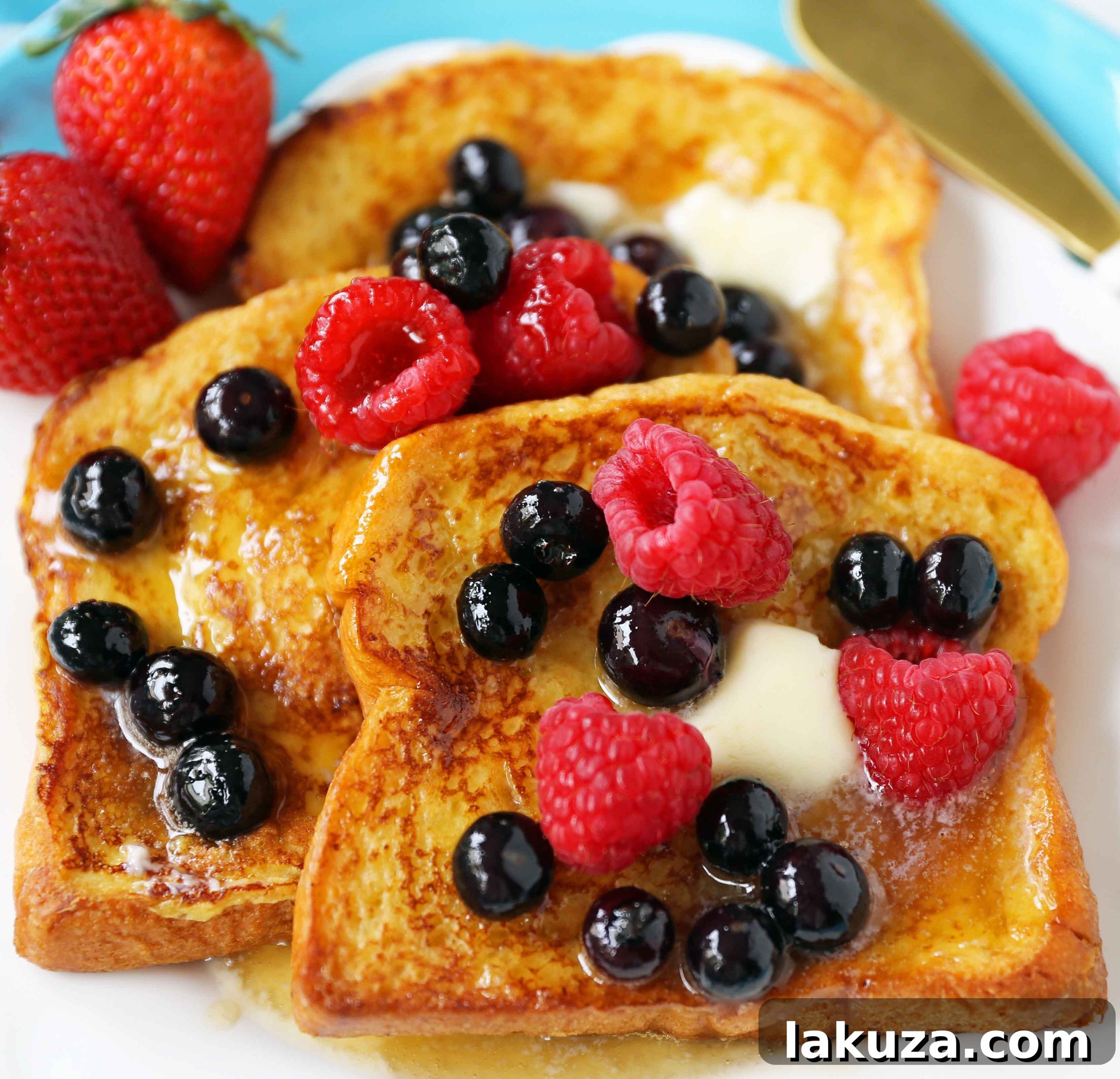
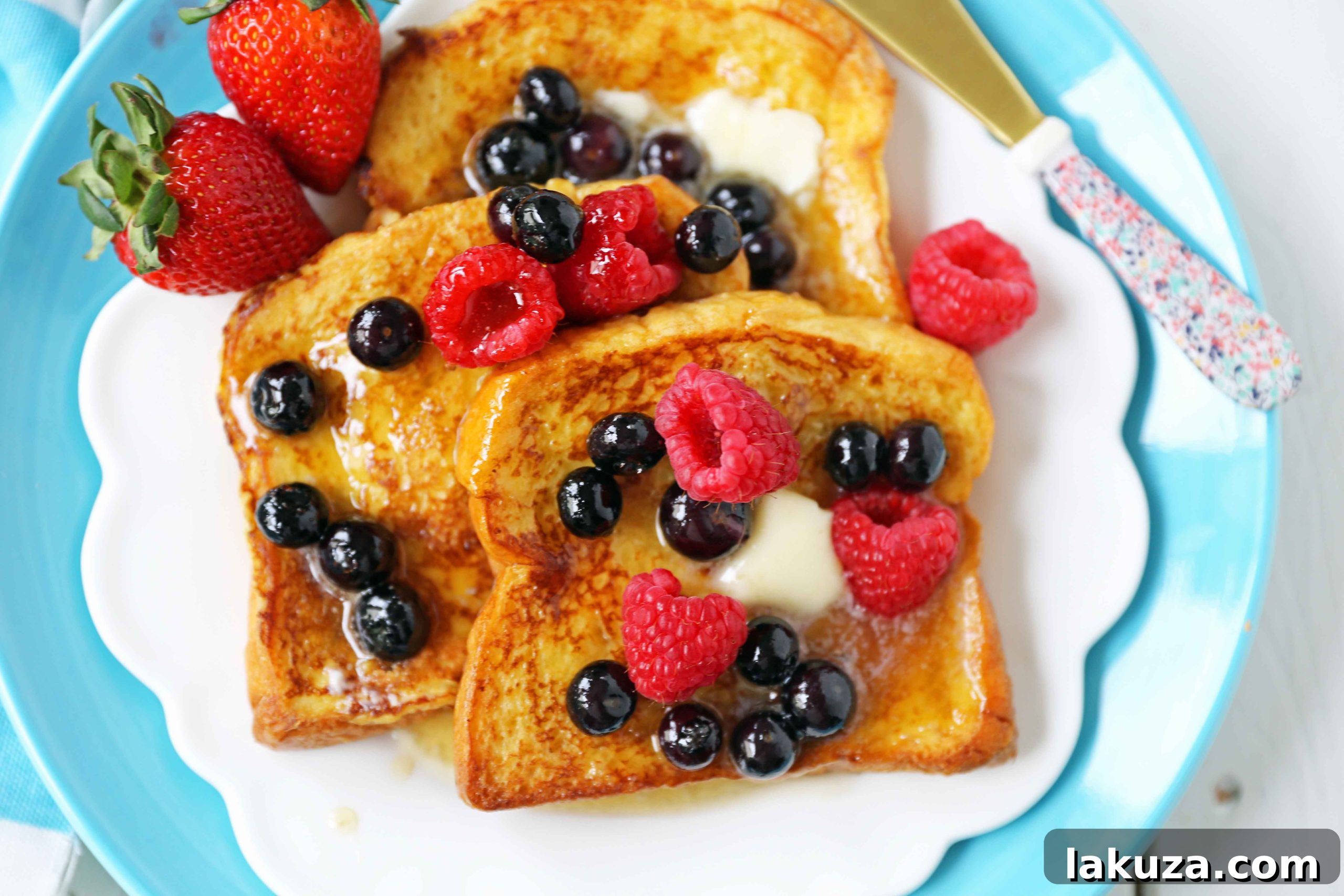
The Ultimate Vanilla Brioche French Toast Recipe: A Guide to Breakfast Perfection
Discover how to create the most decadent vanilla custard French toast, featuring luxurious brioche bread, a rich homemade batter, and a golden-brown finish. Serve this brunch masterpiece with an array of fresh berries, a drizzle of pure maple syrup, and a dollop of fluffy whipped cream for an unforgettable experience.
Every home chef deserves a foolproof French Toast recipe in their culinary repertoire. It’s more than just a breakfast item; it’s a canvas for culinary creativity, a weekend indulgence, and a comforting classic. The true brilliance of French toast lies in mastering the velvety vanilla custard – once you perfect that foundation, you unlock a world of possibilities for customizing your creation with different breads and toppings. For this ultimate recipe, we’ve selected sweet brioche bread, known for its rich flavor and tender texture, often conveniently found pre-sliced in the bakery section of your local grocery store.
Imagine waking up to the aroma of sweet vanilla and warm bread, ready to be transformed into a stack of golden, fluffy perfection. This guide will walk you through every step, ensuring your French toast is moist on the inside, beautifully caramelized on the outside, and bursting with flavor. Forget soggy bread or undercooked centers; with our expert tips, you’ll be making restaurant-quality French toast right in your own kitchen.
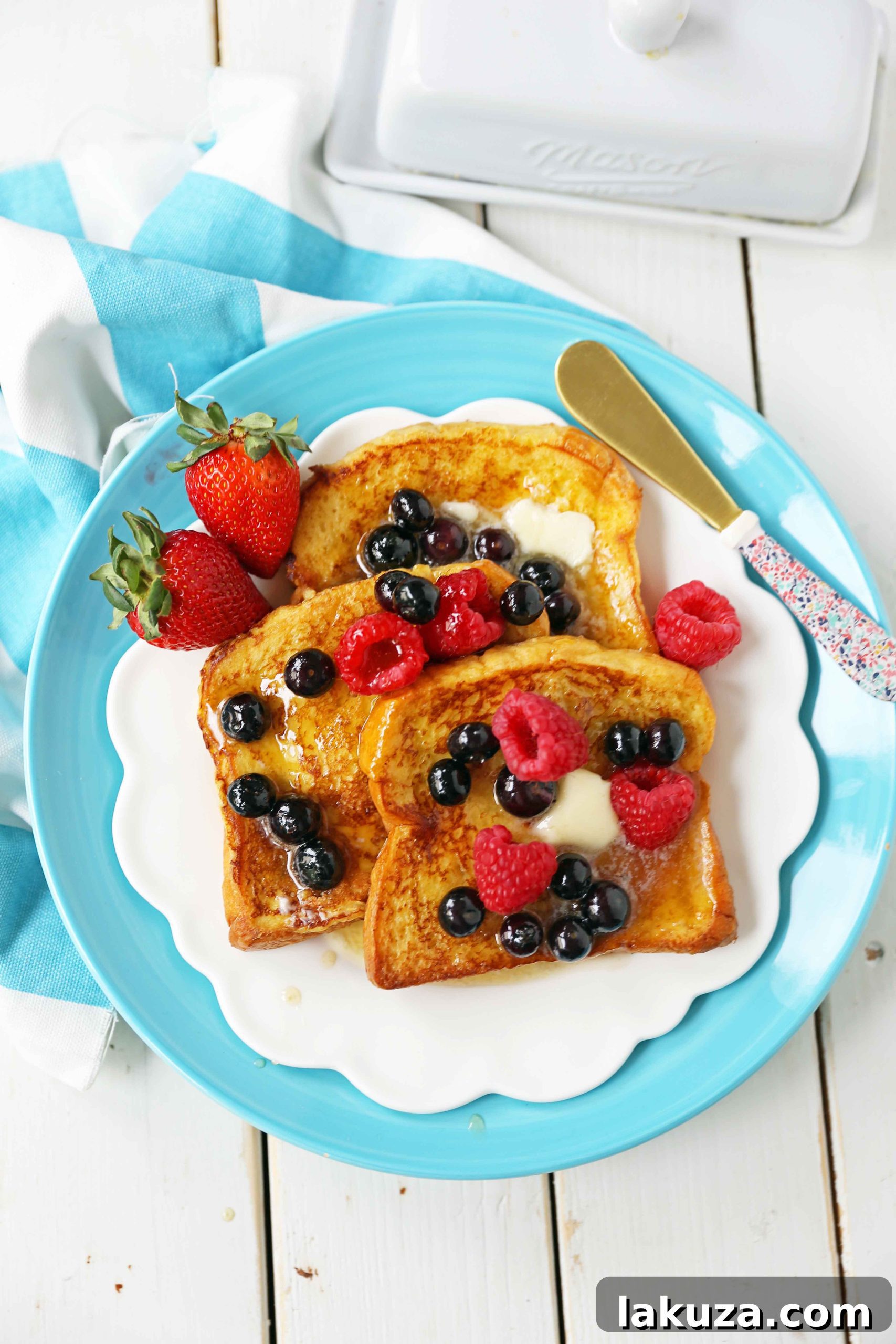
What Makes Brioche the Ideal Bread for French Toast?
Brioche is a renowned pastry of French origin, distinct from regular bread due to its lavish enrichment with butter and eggs. This generous addition results in an incredibly rich, soft, and tender crumb that sets it apart. Its density and inherent sweetness make it exceptionally well-suited for French toast. Unlike lighter breads that might fall apart, brioche is robust enough to fully absorb the flavorful milk and egg vanilla custard without disintegrating, leading to a consistently delicious and satisfying texture from edge to edge. Each bite offers a luxurious mouthfeel, transforming a simple breakfast into an elegant brunch.
Choosing the Best Bread for Perfect French Toast
The foundation of exceptional French toast begins with the right bread. The key is to select a variety that is sufficiently thick and sturdy to endure a thorough soaking in the custard without becoming mushy. Opting for thin, flimsy white bread often leads to disappointment, as it can quickly disintegrate when wet. Here are some of the best bread choices, each offering unique characteristics:
- Brioche: Our top recommendation. Its high butter and egg content creates a rich, tender, and slightly sweet loaf that perfectly absorbs the custard while maintaining its structure.
- Challah: Another excellent choice, similar to brioche in its richness and density due to eggs. Challah has a beautiful braided structure and a slightly chewy texture that holds up wonderfully, imparting a delightful flavor.
- Texas Toast: Known for its extra-thick slices, Texas Toast is designed to soak up liquids. It provides a hearty base that crisps up beautifully on the griddle, offering a satisfying chew.
- Cinnamon Swirl Bread: For those who love an extra layer of flavor, cinnamon swirl bread is fantastic. It adds a warm, spicy sweetness that complements the vanilla custard beautifully, making for an aromatic and comforting French toast.
- French Bread (Baguette or Pain de Campagne): While it creates a crustier, sturdier French toast, it’s a fantastic option if you prefer a slight chewiness. Due to its denser crumb and crust, French bread may require a longer soak, typically around 30-60 seconds per side, to ensure it’s fully saturated and cooked through. Using day-old French bread is often preferred, as it’s slightly drier and absorbs the custard more effectively without becoming soggy.
No matter your choice, ensure the slices are at least 1-inch thick to prevent them from becoming too saturated and falling apart during cooking.
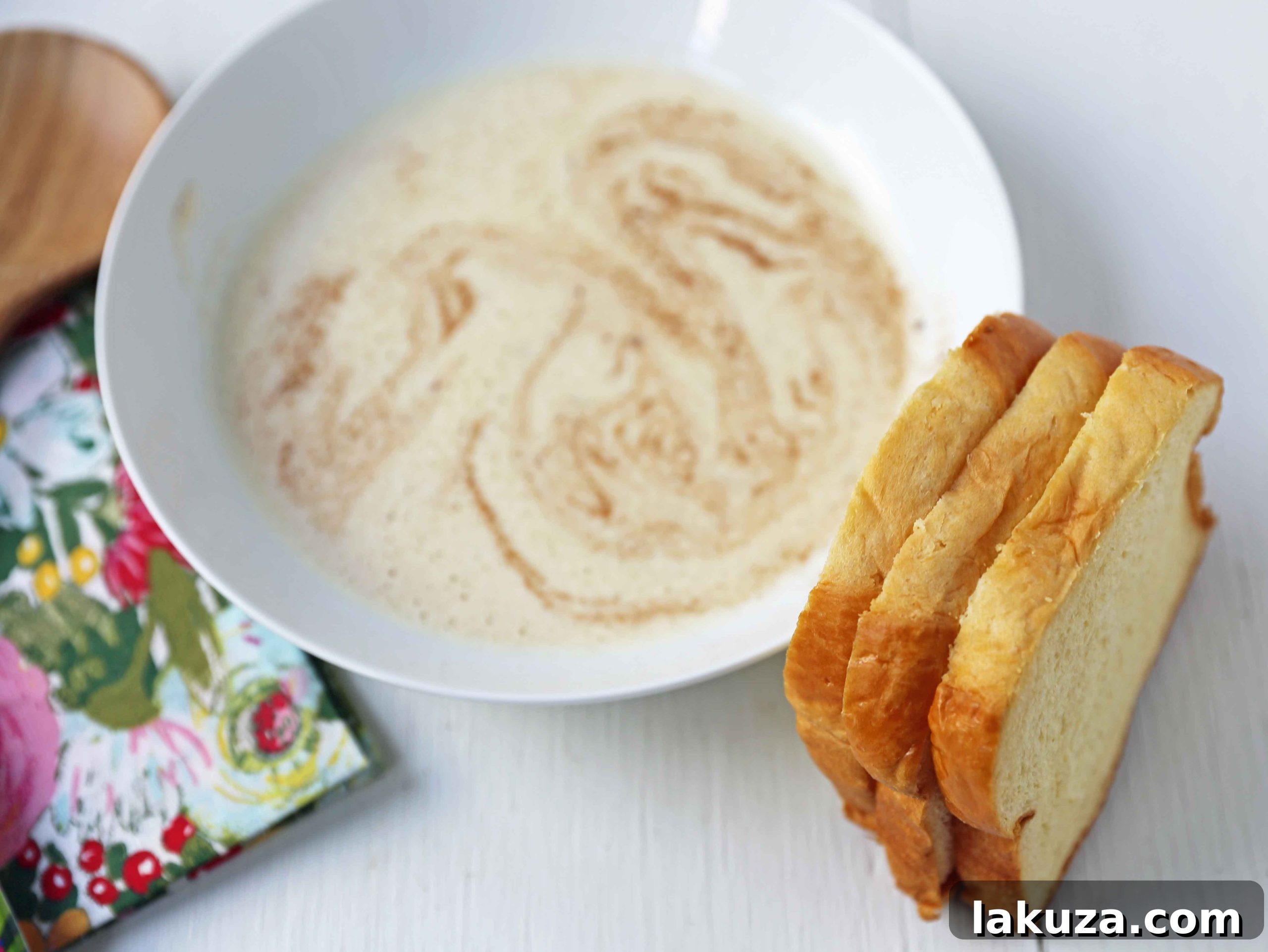
Crafting the Perfect Custard Batter for French Toast
The heart of truly great French toast lies in its custard batter. Our recipe calls for a simple yet incredibly rich mixture of fresh eggs, half ‘n half (or whole milk or heavy cream), granulated sugar, pure vanilla extract, a pinch of salt, and a touch of cinnamon (optional, but highly recommended for warmth). The crucial step here is to ensure the custard is thoroughly whisked until the eggs are completely incorporated and the mixture is smooth and uniform. You can achieve this with a simple whisk in a shallow bowl, a fork for a quick mix, or for ultimate smoothness, blend the entire mixture in a blender. This ensures a consistent coating and even cooking.
Tips for an Unbeatable Custard:
- Emulsification is Key: Whisk vigorously until no streaks of egg white remain. This prevents scrambled egg pockets and ensures a creamy texture.
- Dairy Choice Matters: Half ‘n half provides a perfect balance of richness. Whole milk offers a lighter option, while heavy cream yields an even more decadent result.
- Vanilla Power: Don’t skimp on the vanilla extract! Use a good quality pure vanilla extract for the best flavor.
- Sweetness Control: The suggested sugar amount offers a balanced sweetness. Feel free to adjust to your preference – add an extra tablespoon for a sweeter toast, or less for a more savory profile.
- Cinnamon’s Charm: Cinnamon adds a subtle warmth that enhances the overall flavor. If you’re not a fan, you can omit it, but a small amount truly elevates the experience.
- Shallow Dish: Use a wide, shallow dish (like a pie plate or baking dish) for dipping. This makes it easy to fully submerge the bread without excessive waste.
How to Make the Absolute Perfect French Toast: Step-by-Step Guide
Achieving French toast perfection is easier than you think when you follow these precise steps. From selecting your bread to the final garnish, every detail contributes to a truly magnificent breakfast.
- Select the Ideal Bread: As discussed, thick-cut Brioche, Challah, Texas Toast, or Cinnamon Swirl bread are your best bets. Their sturdiness and rich flavor provide the perfect foundation. If using French bread, remember it might need a slightly longer soak to fully absorb the custard. Day-old bread is often preferred as it’s slightly drier and better at soaking up the batter without becoming soggy.
- Prepare a Rich and Sweet Custard Batter: In a wide, shallow bowl, thoroughly whisk together 6 eggs, 3/4 cup of half ‘n half (or whole milk/heavy cream), 2 tablespoons of sugar, 2 teaspoons of pure vanilla extract, a pinch of salt, and 1/4 to 1/2 teaspoon of cinnamon. Whisk until the mixture is perfectly smooth and no egg streaks remain. For an extra airy texture, you can even blend it in a blender.
- Master the Art of Dipping: Gently place each slice of bread into the prepared custard batter. Allow it to soak for approximately 1 minute per side. This is crucial for ensuring the bread is fully saturated with the delicious custard without becoming oversaturated and falling apart. Thicker slices will absorb more evenly and yield a more satisfying result.
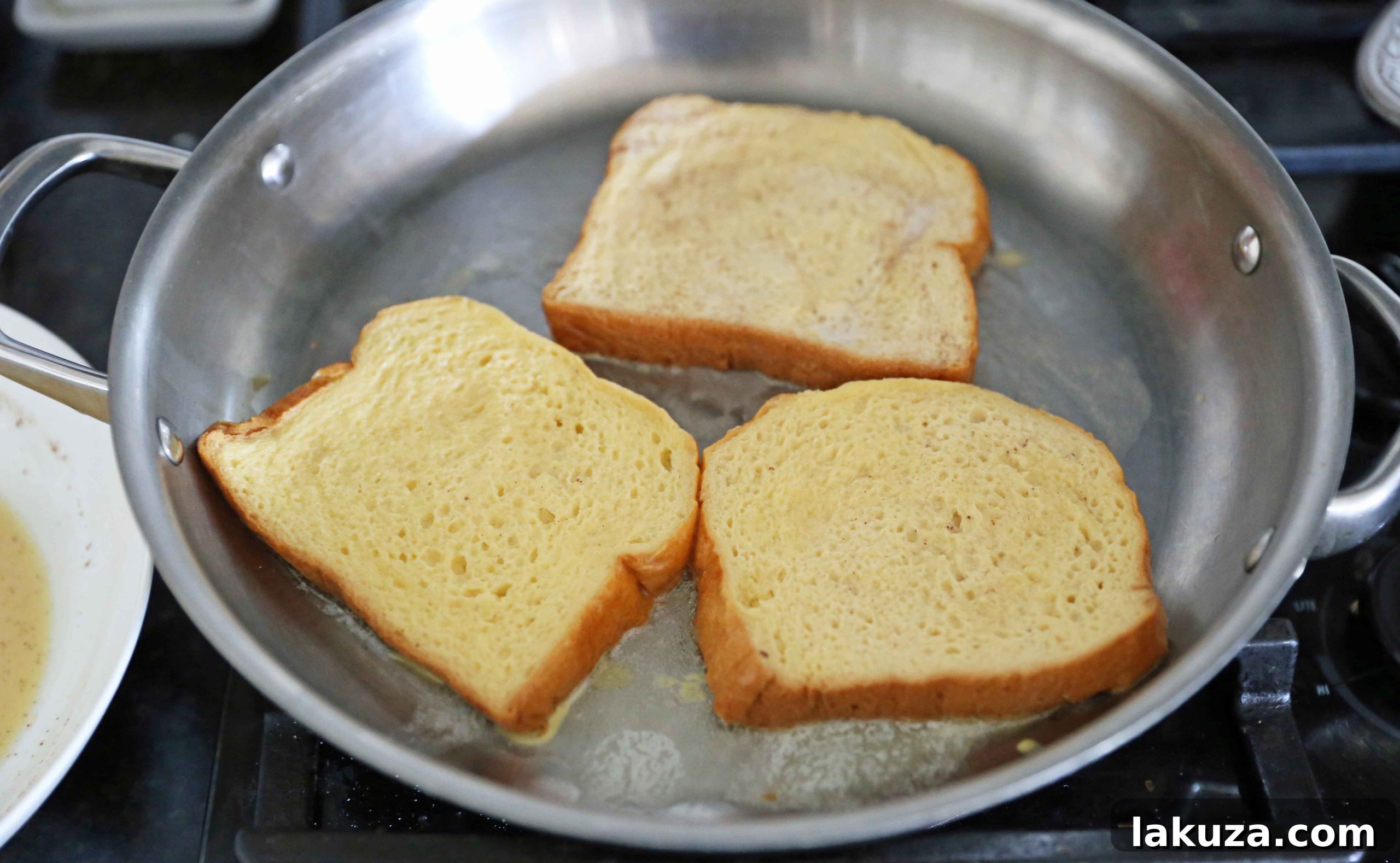
- Cook to Golden Perfection on the Skillet: Heat a large non-stick skillet or griddle over medium heat. Once hot, add a pat of butter (about 1 teaspoon per slice) and let it melt and begin to sizzle, indicating it’s ready. Carefully place the custard-dipped French toast slices onto the hot skillet, ensuring not to overcrowd the pan. Cook each side for 2-3 minutes, or until deeply golden brown and cooked through. Be attentive to the heat; if the toast is browning too quickly, reduce the heat to medium-low to ensure the interior cooks fully without burning the exterior. Remember, a “low and slow” approach often yields the best results.
- Maintain Crispness with a Wire Rack: Once cooked, immediately remove the French toast from the skillet and transfer it to a wire rack. Placing it directly on a plate can trap steam underneath, leading to a soggy bottom. The wire rack allows for air circulation, preventing steam buildup and keeping your French toast delightfully crisp. If you’re cooking multiple batches, you can keep the finished French toast warm in an oven set to 200°F (95°C) while you finish the rest.
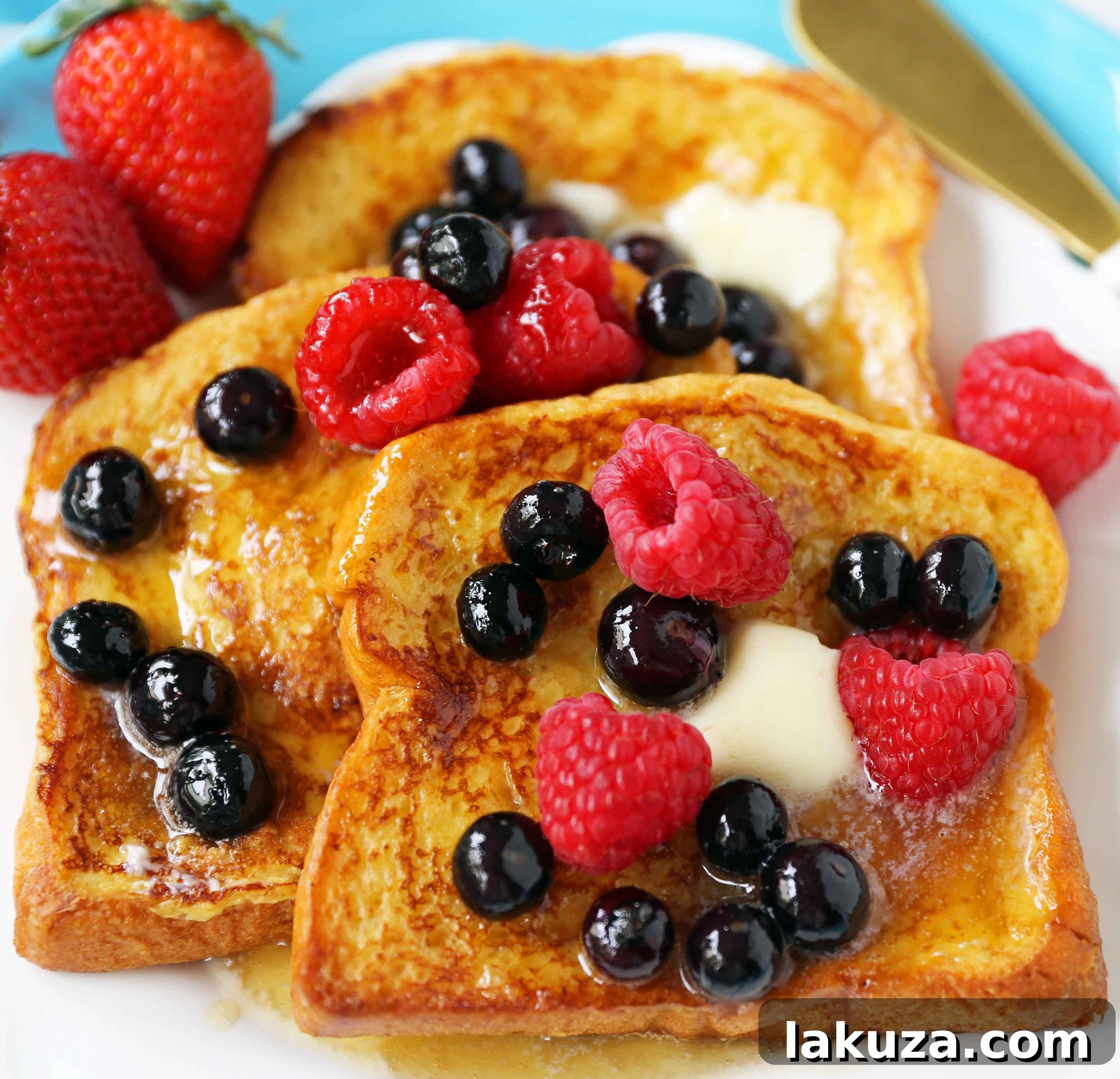
- Garnish and Serve Immediately: Arrange your golden-brown French toast on plates. For the ultimate presentation and flavor, generously dust with powdered sugar, drizzle with high-quality maple syrup, and adorn with an abundance of fresh berries or your favorite fresh fruit. A dollop of whipped cream or a pat of butter can also elevate the experience.
Tips for French Toast Success
- Use a Non-Stick Surface: A good quality non-stick skillet or griddle is essential to prevent sticking and ensure even browning.
- Don’t Overcrowd the Pan: Cook French toast in batches to allow enough space between slices for even heat distribution and easier flipping.
- Adjust Heat as Needed: Every stovetop is different. Start with medium heat, but don’t hesitate to lower it if your French toast is browning too quickly. The goal is a golden exterior and a fully cooked, custardy interior.
- The Fresher the Vanilla, the Better: High-quality vanilla extract makes a noticeable difference in flavor.
- Consider Flavored Butters: Experiment with cinnamon butter or honey butter for an extra touch of gourmet.
Common French Toast Mistakes to Avoid
- Thin Bread: Leads to soggy, disintegrating French toast. Always opt for thick slices.
- Undersoaked Bread: Results in dry spots in the center. Give it enough time to absorb the custard evenly.
- Too Hot Pan: Burns the exterior before the interior cooks through. Keep the heat moderate.
- Cold Custard: While not a deal-breaker, room temperature custard can sometimes absorb more evenly.
- Ignoring the Wire Rack: Leads to soggy French toast. Always use a wire rack for cooling.
If you’re a devoted fan of French Toast, you absolutely must try our Strawberries and Cream Stuffed French Toast for another level of indulgence!

Vanilla French Toast
Equipment
-
Non-stick Skillet or Griddle
-
Mixing Bowl Set
-
Whisk
Ingredients
- 8 Slices Brioche Bread (or Challah, Texas Toast, Cinnamon Swirl, or French Bread, sliced 1-inch thick)
- 6 Large Eggs
- 3/4 cup Half n Half (or Whole Milk or Heavy Cream)
- 2 Tablespoons Granulated Sugar
- 2 teaspoons Pure Vanilla Extract
- Pinch of Salt
- 1/4 – 1/2 teaspoon Ground Cinnamon (optional)
- Butter (for greasing the griddle/skillet)
- Toppings Ideas:
- Powdered Sugar
- Pure Maple Syrup
- Fresh Berries (strawberries, blueberries, raspberries)
- Whipped Cream
- Other Fresh Fruit (sliced bananas, peaches)
Instructions
-
In a wide, shallow bowl or pie plate, prepare the sweet custard batter. Whisk together the eggs, half ‘n half, sugar, vanilla, salt, and cinnamon until thoroughly combined and smooth. For an extra light custard, you may whip the mixture briefly in a blender.
-
Carefully dip each slice of bread into the custard batter. Allow it to soak for approximately 1 minute per side. This ensures the bread fully absorbs the custard, resulting in a moist and flavorful interior, without becoming overly soggy.
-
Heat a large non-stick skillet or griddle over medium heat. Add a pat of butter (about 1 teaspoon) and let it melt and sizzle. Place the custard-dipped French toast slices into the skillet, ensuring not to overcrowd the pan. Cook for 2-3 minutes per side, or until each side is beautifully golden brown and the French toast is cooked through. Monitor the heat carefully; if browning too quickly, reduce to medium-low heat to ensure the inside cooks properly.
-
Once cooked, remove the French toast from the skillet and transfer it to a wire rack. This critical step prevents steam from accumulating underneath, keeping your French toast crisp. To keep subsequent batches warm, you can place the rack in an oven preheated to 200°F (95°C).
-
Repeat the cooking process: add another pat of butter to the skillet for each new batch and continue cooking the remaining bread slices until all are golden and delicious.
-
Serve immediately, garnished generously with butter, a dusting of powdered sugar, a pour of pure maple syrup, and an assortment of fresh fruit or berries. Enjoy your homemade breakfast perfection!
Nutrition information is automatically calculated and should only be used as an approximation.
Additional Information
Serving Suggestions and Variations
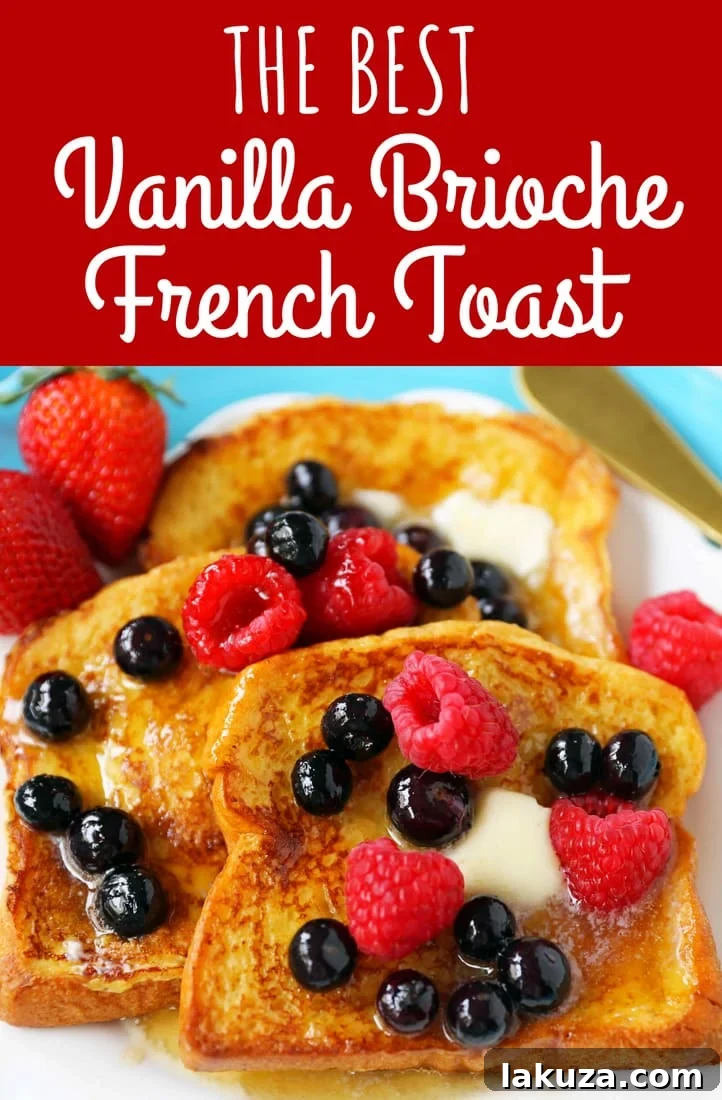
While classic French toast with maple syrup and berries is always a winner, don’t hesitate to get creative with your toppings and pairings:
- Savory Sides: Complement the sweetness with crispy bacon, sausage links, or a side of scrambled eggs.
- Fruit Compotes: Instead of fresh berries, try a warm berry compote, apple pie filling, or caramelized bananas.
- Nutty Additions: Sprinkle chopped pecans, walnuts, or almonds for added crunch and flavor.
- Lemon Curd or Cream Cheese Frosting: For an extra decadent treat, add a dollop of lemon curd or a light cream cheese frosting.
- Stuffed French Toast: For an advanced variation, spread cream cheese and fruit preserves between two slices of brioche before dipping and cooking for a delightful surprise in every bite.
Storing and Reheating French Toast
If you happen to have leftovers (a rare occurrence with this recipe!), French toast can be stored and reheated. Allow any cooked French toast to cool completely before transferring it to an airtight container. It can be refrigerated for up to 2-3 days.
Reheating Instructions:
- Toaster Oven/Oven: This is the best method for retaining crispness. Preheat your toaster oven or conventional oven to 350°F (175°C). Place French toast slices on a baking sheet and heat for 5-10 minutes, or until warmed through and slightly crisp.
- Skillet: Reheat on a lightly buttered skillet over medium-low heat for a few minutes per side until hot.
- Microwave: While convenient, the microwave can make French toast soft and less appealing. If using, heat for short bursts (30 seconds) until warm.
We truly hope you enjoy creating and savoring this Vanilla Brioche French Toast Recipe. It’s a labor of love that promises a breakfast or brunch experience that feels gourmet yet is simple enough for any home cook. Happy Cooking, my friends, and prepare to delight your taste buds!