
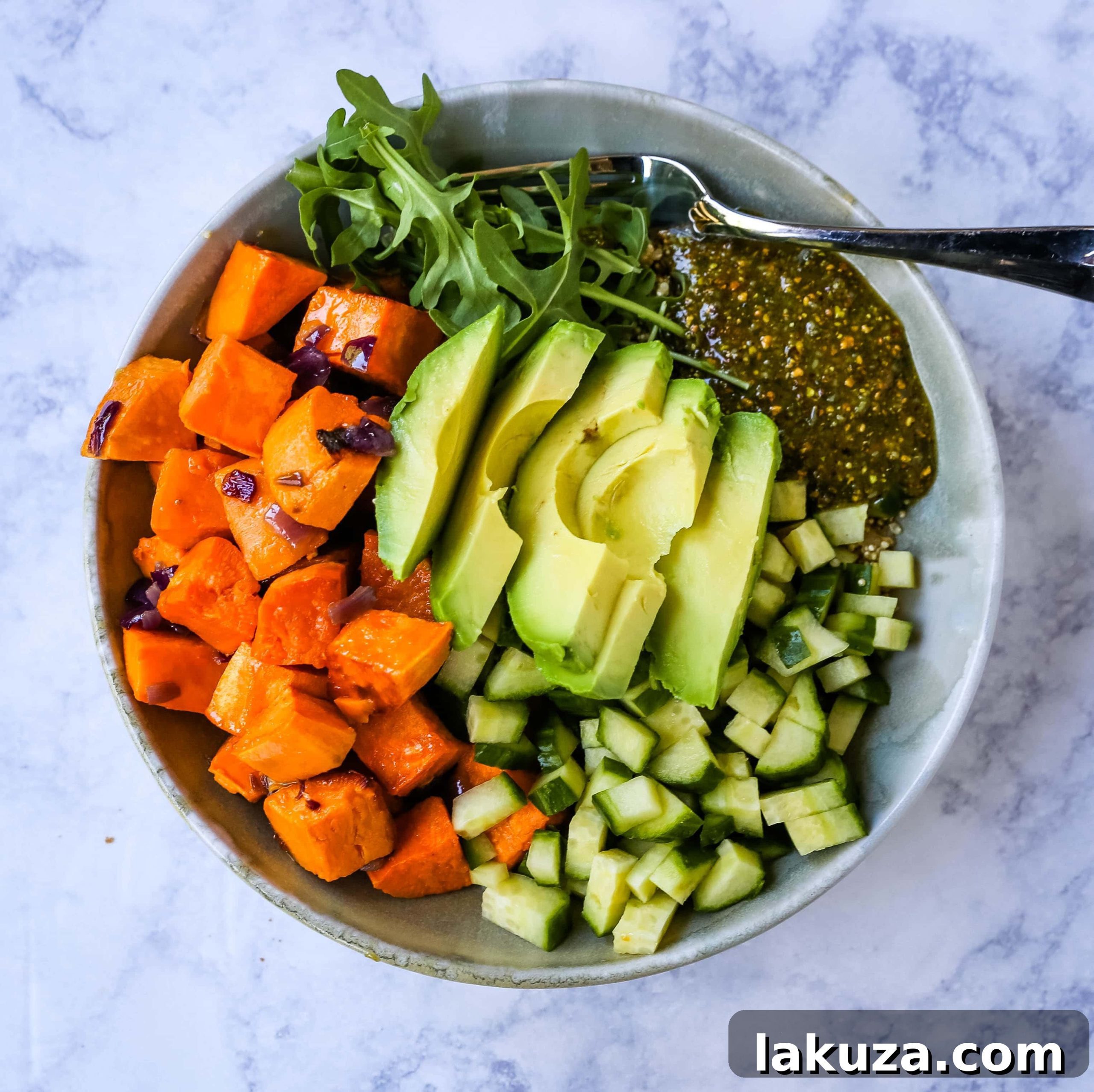
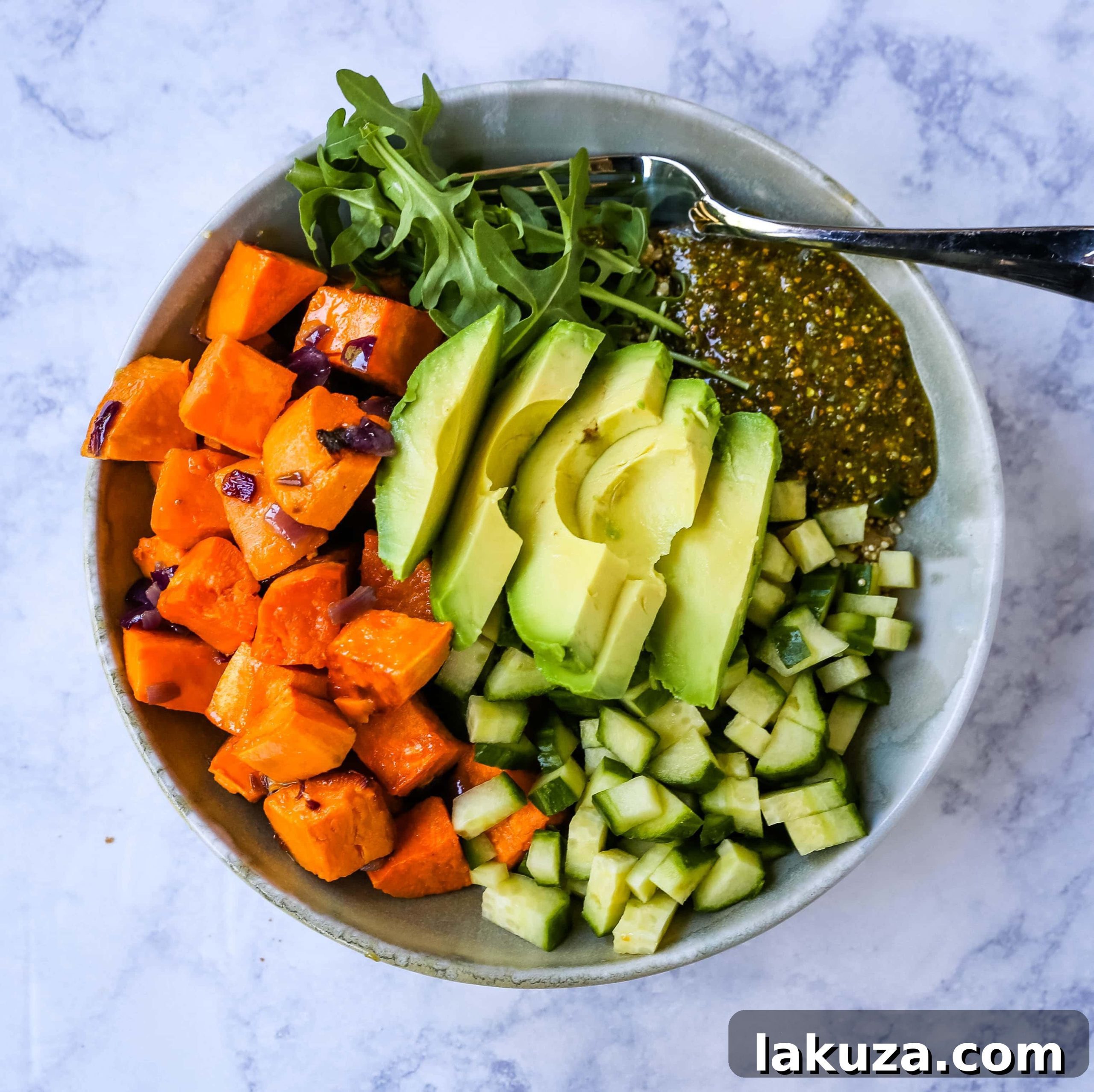
Crafting the Perfect Buddha Bowl with Homemade Pistachio Pesto
Discover how to create a healthy, satisfying, and flavor-packed vegan Buddha Bowl featuring roasted sweet potatoes, fresh vegetables, quinoa, and a vibrant, nutrient-rich pistachio pesto – ideal for easy meal prep and wholesome eating.
There are certain meals that not only nourish your body but also bring immense joy, becoming a true “happy place” on a plate. For me and my oldest daughter, these are the vibrant, wholesome bowls from Flower Child, particularly their celebrated Mother Earth bowl. This plant-powered dish, brimming with an array of roasted and fresh vegetables, ancient grains, and crowned with a luscious pistachio pesto, consistently proves that healthy eating can be incredibly delicious and utterly satisfying. Each spoonful is a testament to the fact that nourishing your body with greens can be a truly delightful experience.
While the experience of dining out is wonderful, the cost of these gourmet bowls can quickly add up. Motivated to enjoy our favorite nutritious meal more frequently without breaking the bank, I embarked on a journey to recreate this exquisite Buddha Bowl at home. The results were nothing short of amazing, replicating the restaurant quality while offering the flexibility of homemade cooking. One of the greatest advantages of this recipe is its meal-prep friendly nature. You can prepare most of the components in advance, making it incredibly easy to assemble a fresh, wholesome meal whenever a craving strikes or time is short.
What Exactly is a Buddha Bowl? A Guide to Plant-Based Harmony
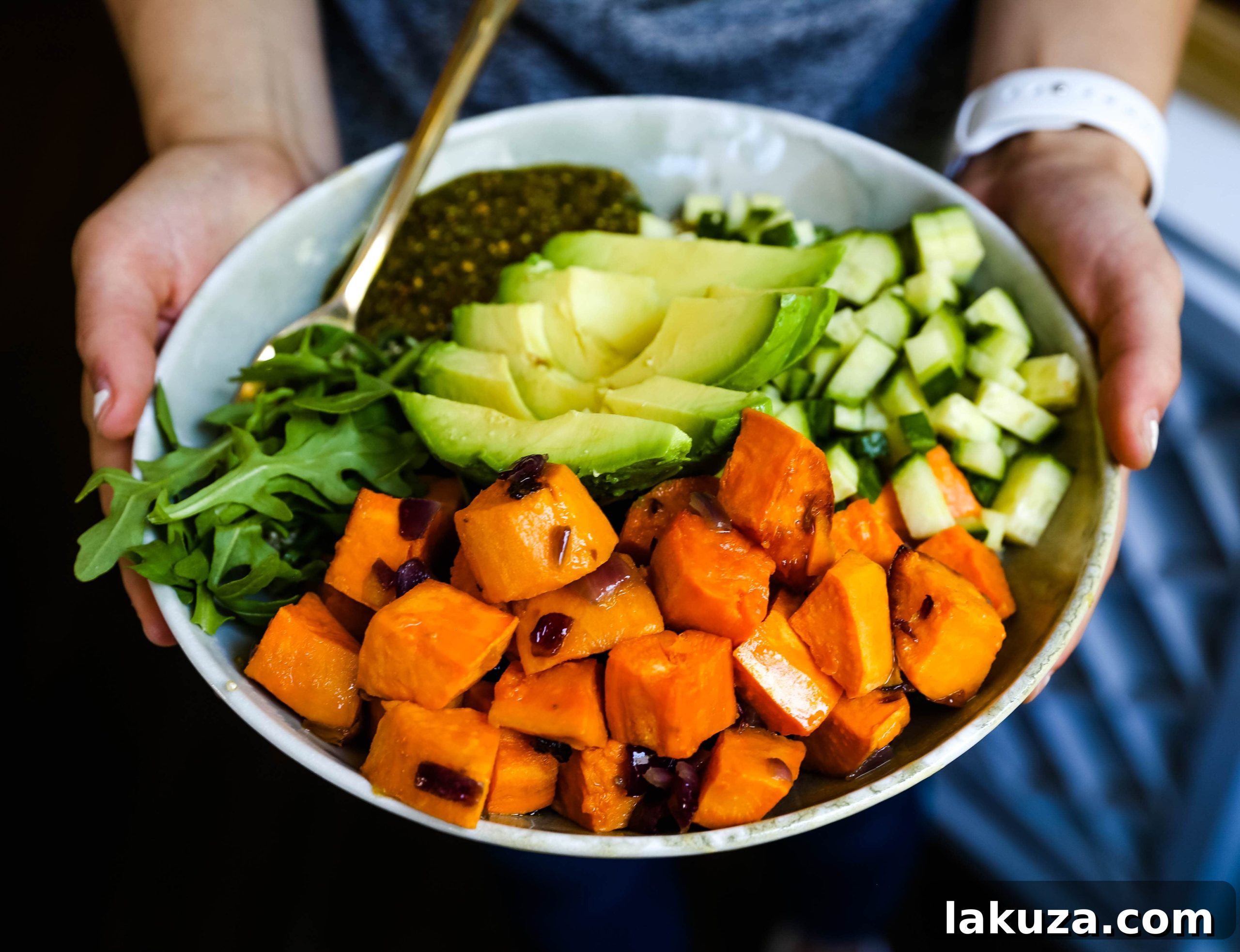
A Buddha Bowl is essentially a vibrant, wholesome meal served in a single bowl, designed to be visually appealing, nutritionally balanced, and utterly delicious. The name is often attributed to the overflowing, rounded appearance of the bowl, resembling the belly of a Buddha. Traditionally vegetarian or vegan, these bowls are built on a foundation of whole grains, generously topped with a medley of fresh and cooked vegetables, and typically finished with a flavorful dressing or sauce, such as our incredible pistachio pesto or a tangy vinaigrette.
The beauty of a Buddha Bowl lies in its versatility and customizable nature. It’s not just a recipe; it’s a concept that encourages creativity and conscious eating. Each component plays a crucial role: the grains provide complex carbohydrates and sustained energy, a variety of vegetables deliver essential vitamins, minerals, and fiber, while healthy fats from ingredients like avocado and pesto contribute to satiety and nutrient absorption. This holistic approach makes Buddha Bowls an ideal choice for anyone looking to incorporate more plant-based meals into their diet, offering a complete and satisfying culinary experience.
The Foundation: Perfectly Roasted Sweet Potatoes and Onions
Our journey to the perfect Buddha Bowl begins with the irresistible combination of roasted sweet potatoes and red onions. Drizzled simply with good quality olive oil and a sprinkle of sea salt, these humble vegetables undergo a magical transformation in the oven. Roasting is, without a doubt, my favorite method for preparing vegetables. The high heat caramelizes their natural sugars, intensifying their flavor and creating a beautifully tender interior with slightly crisp edges. This process brings out an unparalleled sweetness and depth that raw vegetables simply can’t match.
For optimal results, I recommend roasting vegetables at a consistent temperature of 400 degrees Fahrenheit (200 degrees Celsius) for approximately 20 minutes. However, cooking times can vary depending on the specific vegetable and the size of your cuts. Always aim for fork-tender doneness, ensuring they’re soft enough to easily pierce. A generous drizzle of extra virgin olive oil before roasting not only prevents sticking but also enhances flavor and aids in the absorption of fat-soluble vitamins. The best part? These roasted sweet potatoes and onions can be prepared well in advance and stored in the refrigerator, making them a superb addition to your weekly meal prep repertoire.
Choosing Your Ancient Grain Base: Quinoa and Beyond
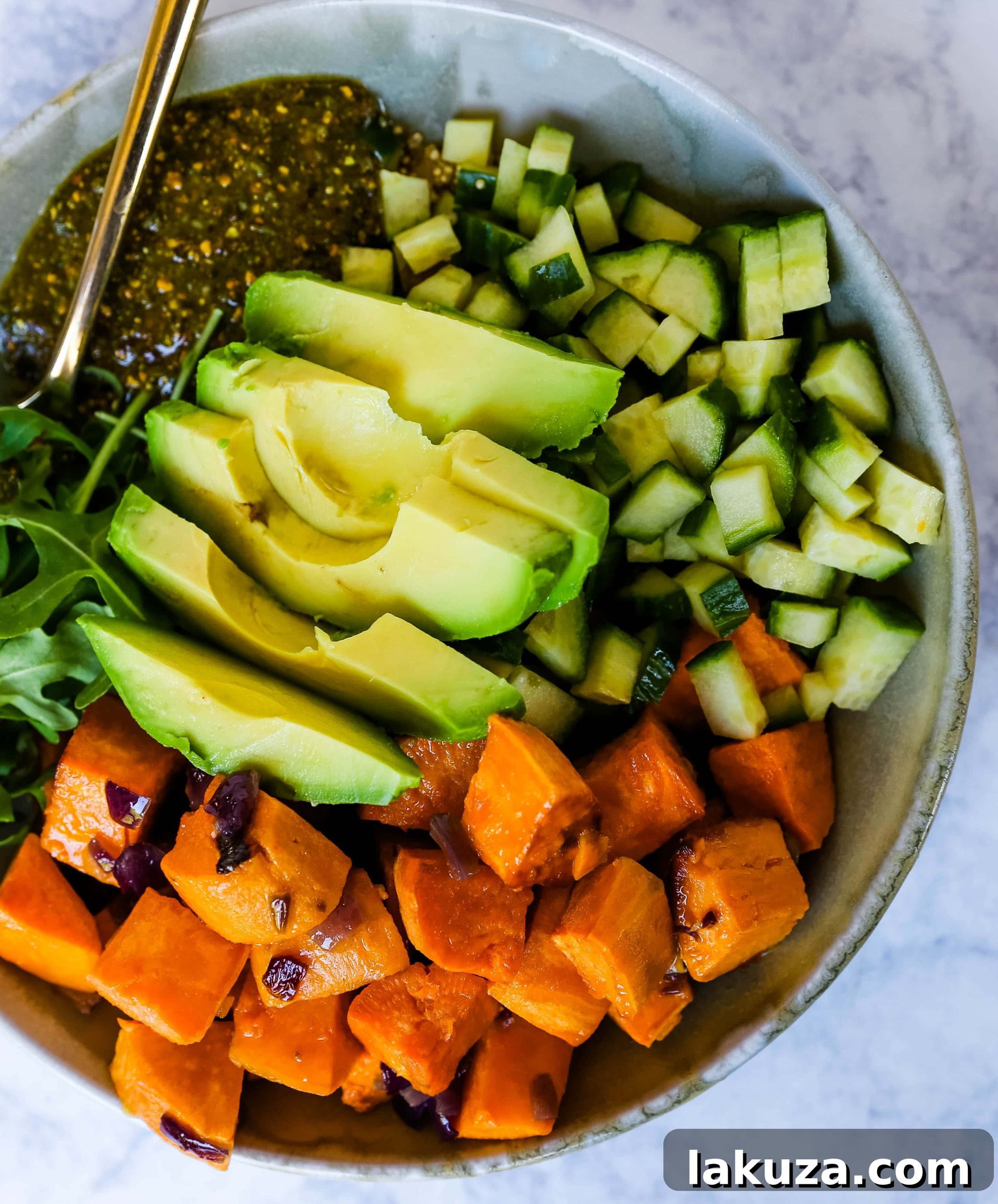
The heart of any truly satisfying Buddha Bowl is a robust and nutritious grain base. While you have the freedom to choose any of your favorite ancient grains—be it fluffy brown rice, earthy farro, or classic white rice—I consistently lean towards quinoa. Quinoa is a superstar in the world of grains, renowned for its exceptional nutritional profile. It’s one of the few plant foods considered a complete protein, meaning it contains all nine essential amino acids necessary for human health. Beyond its protein power, quinoa is also an excellent source of dietary fiber, which aids digestion, promotes satiety, and helps regulate blood sugar levels. Thanks to its high fiber and protein content, a serving of quinoa will keep you feeling full and energized, making you forget all about missing meat in your meal.
Just like our roasted vegetables, quinoa is incredibly easy to prepare ahead of time. Cooking a large batch at the beginning of the week means you’re just steps away from a delicious meal on busy days. A simple yet impactful tip for enhancing the flavor of your quinoa is to salt the cooking water. Just as you would for pasta, seasoning the water infuses the grains with flavor from the inside out, rather than relying solely on post-cooking seasoning. Once cooked, fluff it with a fork, and it’s ready to become the delicious anchor of your Buddha Bowl.
Freshness and Creaminess: Avocado and Cucumber Essentials
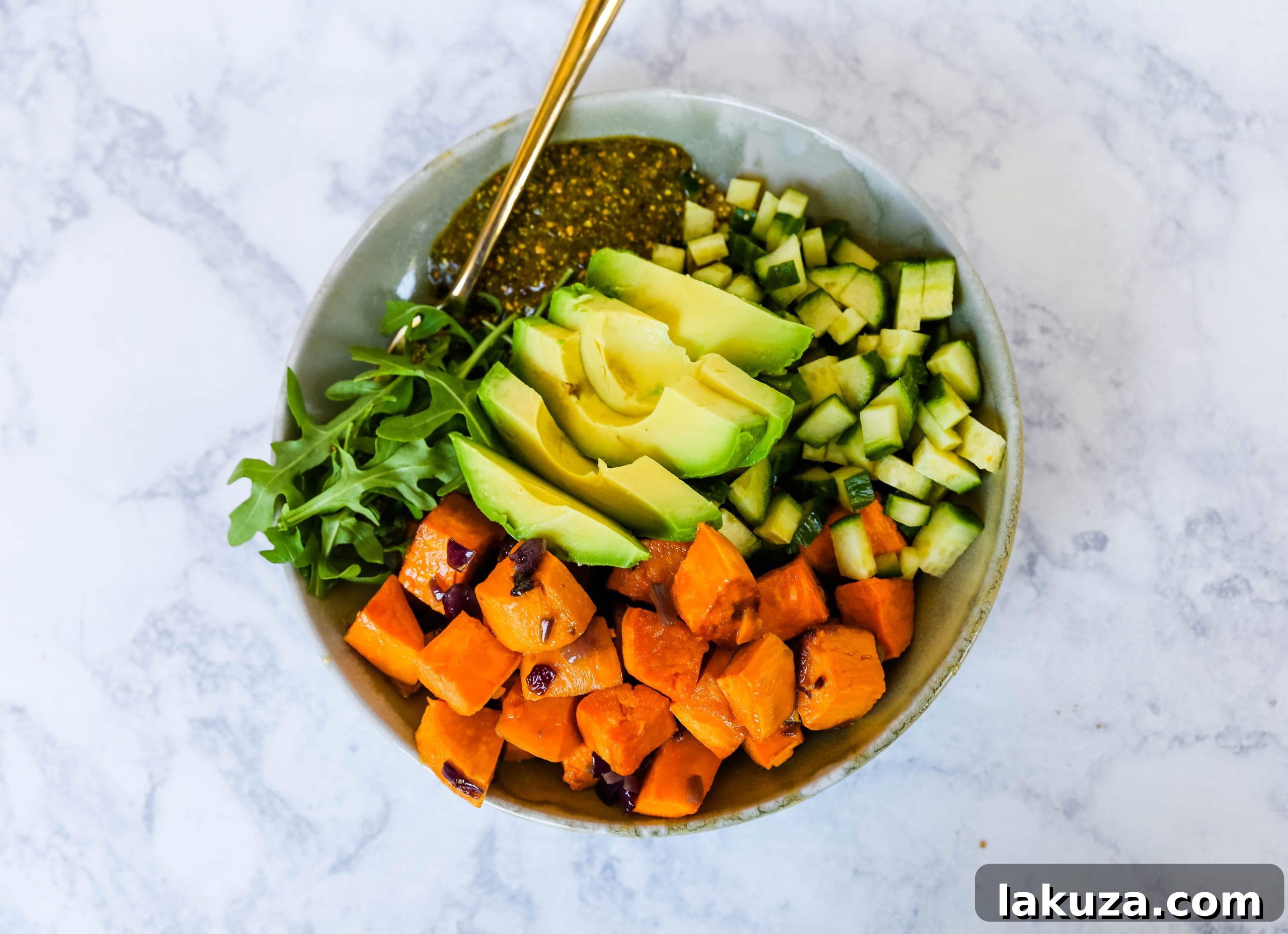
No Buddha Bowl is complete without an array of fresh, vibrant vegetables, and for this recipe, fresh avocado and crisp cucumber play starring roles. Sliced fresh avocado contributes a luxurious creaminess that beautifully complements the other textures in the bowl. Beyond its delightful texture and mild flavor, avocado is a powerhouse of nutrition, packed with healthy monounsaturated fats, fiber, and various vitamins and minerals like potassium and Vitamin K. It adds a satisfying richness that helps make the bowl incredibly filling. To further enhance its flavor, a light sprinkle of sea salt over the avocado slices works wonders. If you’re preparing your bowls in advance or not serving immediately, a squeeze of fresh lemon juice over the avocado will help prevent it from browning, preserving its appealing green hue.
For the cucumber, I highly recommend dicing it into small, uniform pieces. This creates a pleasant texture contrast and ensures an even distribution of its refreshing crunch in every bite. While any cucumber will work, Hothouse or English cucumbers are often preferred due to their longer, thinner shape, fewer seeds, and thinner skin, which means less bitterness. I typically leave the skin on for added nutrients and color, but you can peel it off if you prefer. A light salting of the diced cucumber can also draw out excess moisture and intensify its fresh flavor.
The Flavor Star: Homemade Pistachio Pesto
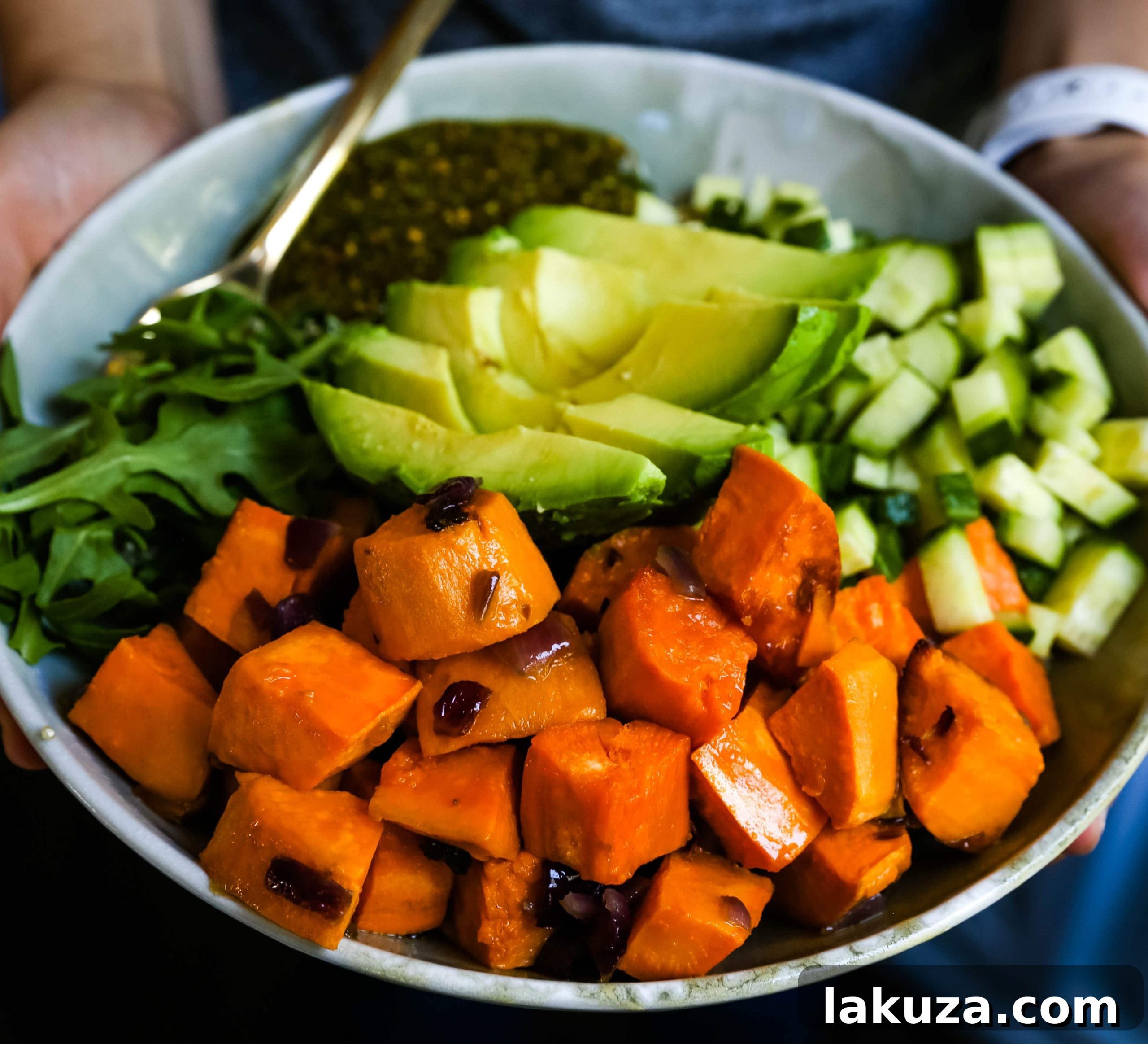
The true distinguishing feature and a burst of unforgettable flavor in this Buddha Bowl is the homemade pistachio pesto. Forget store-bought varieties; crafting your own pesto is incredibly rewarding and surprisingly simple. This vibrant green sauce is made with a harmonious blend of fresh basil leaves, raw pistachios, high-quality extra-virgin olive oil, grated Parmesan cheese, pungent garlic cloves, and a bright touch of lemon zest. Each ingredient plays its part: the basil provides its signature aromatic freshness, pistachios offer a unique, slightly sweet, and nutty flavor profile (and a beautiful green color!), olive oil brings richness and body, Parmesan adds a salty, umami depth, garlic provides a spicy kick, and lemon zest brightens the entire concoction.
The resulting pesto is rich, intensely flavorful, and delivers a vibrant punch that elevates every component of the Buddha Bowl. Its creamy texture coats the vegetables and grains, tying all the elements together into a cohesive, delicious meal. A food processor makes the preparation of this pesto incredibly quick and easy – just a few pulses, and you’re done! Like the other components, the pistachio pesto can be prepared ahead of time and stored in an airtight container in the refrigerator, making it perfect for efficient meal planning. For those who enjoy experimenting or have dietary restrictions, this pesto recipe is highly adaptable. Feel free to substitute pistachios with other nuts like walnuts, almonds, or even sunflower seeds for a nut-free version, or explore different herbs like parsley or cilantro for a unique twist.
Building Your Ultimate Buddha Bowl: A Step-by-Step Guide
Creating your own Buddha Bowl is an art form, allowing for endless customization and creative expression. Follow these steps to assemble a perfectly balanced and visually stunning meal:
- Prepare Your Roasted Vegetables: Begin by preheating your oven to 400°F (200°C). Arrange your bite-sized sweet potato pieces and diced red onions on a baking sheet. Drizzle them generously with extra-virgin olive oil and season with sea salt. Roast for approximately 20 minutes, or until the sweet potatoes are tender enough to be easily pierced with a fork and lightly caramelized. Once done, set them aside to cool slightly. This step can be done hours or even a day in advance.
- Dice the Cucumber to Perfection: For a delightful crunch and even distribution, dice your cucumber into small, manageable pieces. I highly recommend using Hothouse or English cucumbers, known for their thin skin and minimal seeds. You can keep the skin on for added nutrition and color, or peel it if you prefer. A light salting of the diced cucumber can enhance its fresh flavor.
- Ready the Creamy Avocado: Select a ripe, creamy avocado. Slice it evenly and sprinkle with a touch of sea salt for flavor. To prevent oxidation and keep the avocado looking fresh, especially if not serving immediately, lightly sprinkle the slices with fresh lemon juice. The avocado is typically one of the last components added to the bowl, ensuring its vibrant appearance.
- Cook Your Chosen Grain: Prepare your quinoa (or preferred ancient grain) according to the package instructions. A crucial tip for infusing maximum flavor is to salt the cooking water adequately. Once cooked, fluff the grain with a fork to separate the individual kernels and set aside to cool slightly. This component is excellent for advance meal preparation.
- Whip Up the Homemade Pistachio Pesto: In a food processor, combine fresh basil leaves (tightly packed), raw pistachios (or your preferred nuts), extra-virgin olive oil, grated Parmesan cheese, garlic cloves, and a hint of lemon zest. Process until the mixture is beautifully pureed and smooth, adjusting the consistency with more olive oil if needed. Season with salt to taste. Making pesto in a food processor is incredibly efficient and yields a superior flavor compared to store-bought options.
- Assemble Your Masterpiece: To construct your Buddha Bowl, start with a base layer of cooked quinoa at the bottom of a large bowl. Artfully arrange the roasted sweet potato and onion mixture, diced cucumbers, and fresh arugula on top of the quinoa, creating distinct sections of color and texture. Finally, delicately place your sliced avocado on top and generously drizzle with the homemade pistachio pesto. Serve immediately and savor the symphony of flavors!
- 2 large Sweet Potatoes (peeled and cut into bite-size pieces)
- 1/2 medium Red Onion (diced)
- 2 Tablespoons Olive Oil
- 1/2 teaspoon Salt
- 1 cup Quinoa or Rice (cooked according to package instructions)
- 1 – 2 large Cucumbers (diced)
- 2 large Avocados (sliced and salted)
- Arugula
- 1 cup Basil Leaves (tightly packed)
- 1/2 cup Extra-Virgin Olive Oil
- 1/2 cup Dry-Roasted Pistachios (or walnuts or almonds)
- 1/4 cup Grated Parmesan Cheese
- 2 Garlic Cloves
- 1/2 teaspoon Lemon Zest
- Salt to taste
-
Preheat your oven to 400°F (200°C). Arrange the cut sweet potatoes and diced red onions on a baking sheet. Drizzle generously with olive oil and sprinkle with salt. Bake for approximately 20 minutes, or until the sweet potatoes are tender and can be easily pierced with a fork.
-
In a medium saucepan, cook your quinoa (or chosen grain) according to the package instructions. Remember to salt the water before cooking to infuse the quinoa with flavor from the start.
-
In a food processor, combine the fresh basil leaves (tightly packed), extra-virgin olive oil, dry-roasted pistachios, grated Parmesan cheese, garlic cloves, and lemon zest. Blend until the mixture is smoothly pureed. Taste and adjust seasoning with additional salt if needed.
-
To build your Buddha Bowl, place a generous portion of cooked quinoa at the bottom of a bowl. Artfully arrange the roasted sweet potato and onion mixture, diced cucumbers, sliced avocado, and fresh arugula on top of the quinoa. Finish by drizzling generously with the homemade pistachio pesto. Serve immediately and enjoy!
Print Recipe
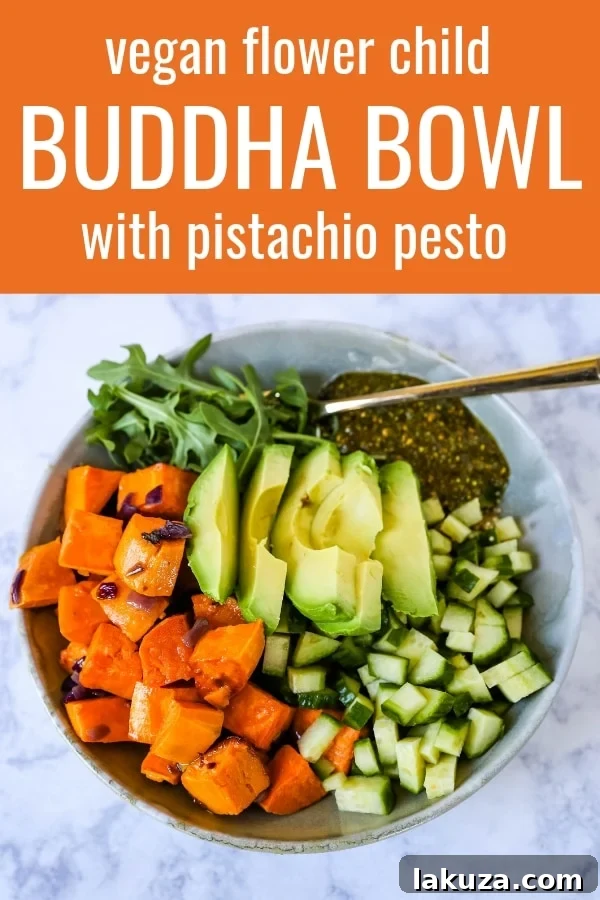
Buddha Bowl with Pistachio Pesto
Ingredients
Pistachio Pesto:
Instructions
To make Pistachio Pesto:
To assemble Buddha Bowl:
Nutrition information is automatically calculated, so should only be used as an approximation.
Additional Info
Enjoyed this recipe? Share your thoughts below!Jump to Comments