
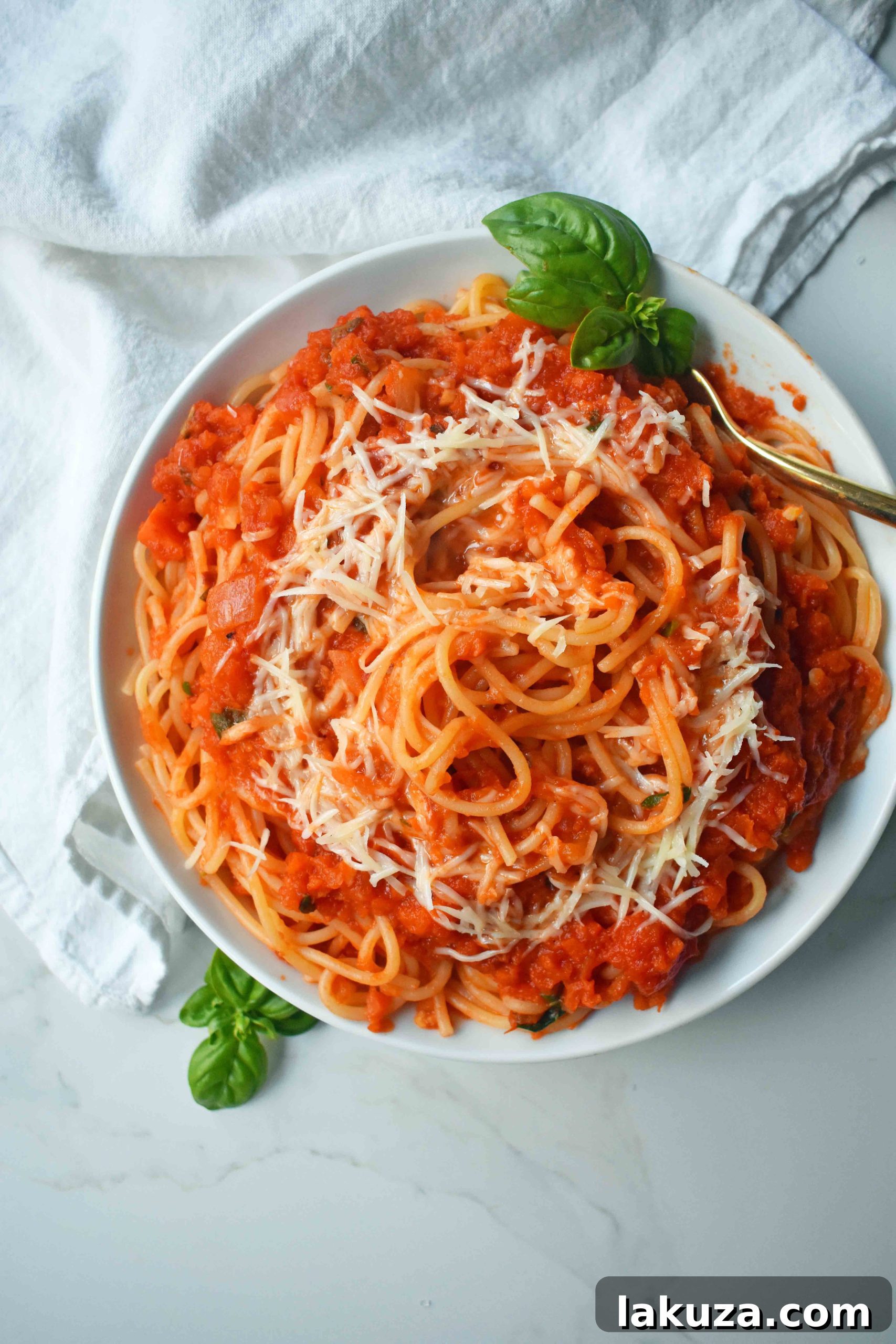
The Ultimate Homemade Marinara Spaghetti Sauce: Authentic Italian Flavor from Scratch
Discover the secret to a rich, deeply flavorful homemade spaghetti sauce that embodies the heart of Italian cooking. This marinara sauce is so incredibly versatile and delicious, it promises to be the only recipe you’ll ever need. Packed with fresh ingredients and aromatic Italian spices, it delivers a smooth, vibrant tomato base that will elevate any pasta dish to an unforgettable culinary experience.
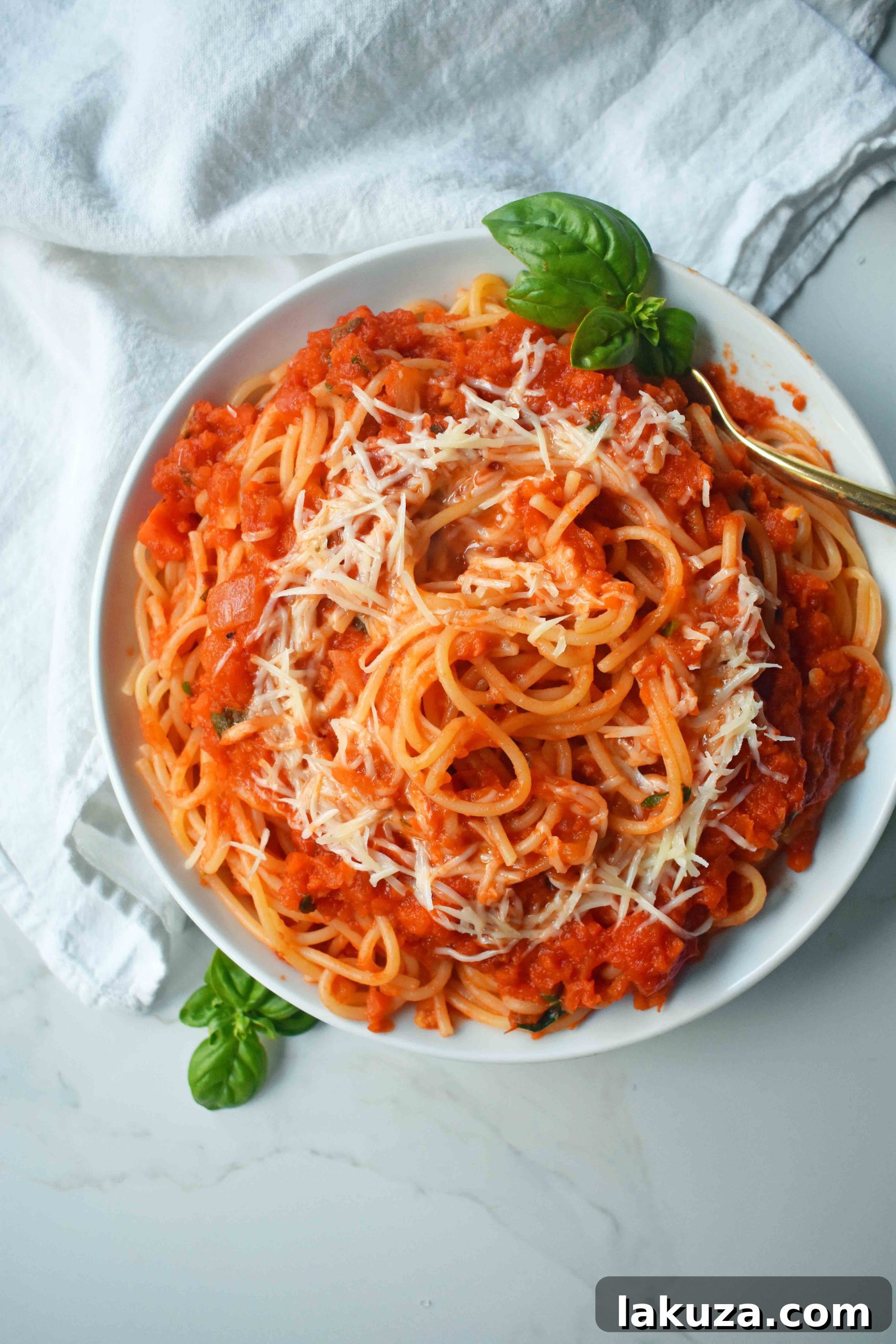
Why This Homemade Spaghetti Sauce Will Become Your Family’s Favorite
There’s an undeniable magic that happens when a pot of homemade marinara sauce slowly simmers on the stove, filling the kitchen with its comforting aroma. It’s a sensory journey back to simpler times, evoking memories of cherished family dinners. For me, it’s the image of my Mom, stirring a batch of her marinara with her trusty wooden spoon, signaling the start of a much-anticipated spaghetti night.
Those spaghetti nights were more than just meals; they were a cornerstone of our family life. We’d gather around the kitchen table, bowls brimming with pasta and this incredible fresh tomato sauce, sharing stories and laughter. Whether there were three of us or all eight, these moments underscored the special bond forged over delicious food.
In today’s bustling world, where weeks are often a blur of activities, homework, and social engagements, a reliable, high-quality family meal becomes an anchor. This homemade spaghetti sauce offers just that – a comforting, wholesome dish that brings everyone together, a delicious pause in the beautiful chaos of life. It’s about cherishing those slower days when every chair at the table is filled with the people you love most.
Learning to prepare an authentic homemade marinara sauce is more than just mastering a recipe; it’s acquiring an essential life skill in the kitchen. This sauce isn’t just for spaghetti; its versatility is truly remarkable. Imagine it beautifully coating a plate of chicken parmesan, enhancing a baked ziti, or serving as the base for a rustic Italian bruschetta. You can even transform it into a creamy tomato sauce by simply stirring in a splash of heavy cream. This isn’t just *a* marinara sauce recipe; it’s the BEST marinara sauce recipe you’ll ever encounter.
The harmonious blend of warm Italian spices, the bright tang of ripe tomatoes, and the aromatic burst of fresh herbs creates a sauce so compelling, you’ll find yourself craving it weekly. Pair it with tender homemade meatballs and warm, crusty French bread, and you have the quintessential comfort meal, perfect for any occasion.
Beyond its exquisite flavor, this sauce is remarkably simple to prepare. It comes together quickly, making it ideal for busy weeknights, and can be easily stored, allowing you to enjoy its fresh taste long after it’s made. It truly exemplifies the ease and reward of cooking from scratch.
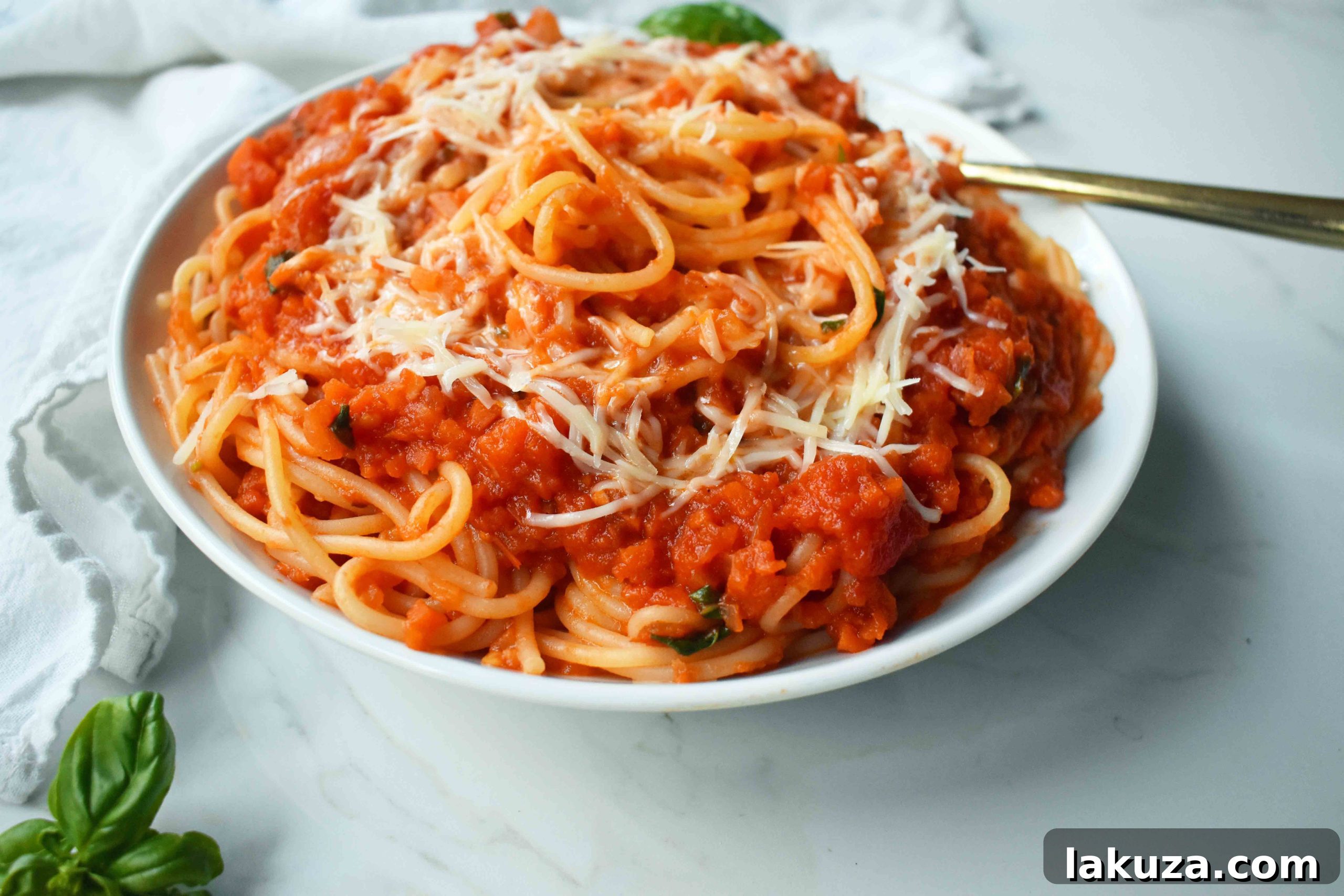
Essential Ingredients for the Perfect Spaghetti Sauce
One of the many joys of this homemade spaghetti sauce recipe is that it relies on a handful of simple, fresh, and wholesome ingredients that are likely already in your pantry or easily found at any grocery store. The beauty lies in the quality and balance of these fundamental components.
- Tomatoes: The Soul of the Sauce. Tomatoes form the smooth, rich, and savory foundation of this sauce. For the best results, always opt for high-quality whole canned tomatoes. They are typically blanched and peeled, saving you time and effort. The gold standard for this recipe, and indeed for many authentic Italian dishes, are San Marzano tomatoes. Their balanced sweetness and low acidity are unparalleled.
- Extra Virgin Olive Oil (EVOO): The Mediterranean Staple. A good quality extra virgin olive oil is crucial. It’s not just a cooking fat; it’s a flavor enhancer, carrying the aromas of the herbs and vegetables. EVOO boasts a superior flavor profile and contains healthy monounsaturated fats, making it a cornerstone of Mediterranean cuisine.
- Onion: Aromatic Foundation. A small onion adds a subtle yet essential depth of flavor without overpowering the delicate tomato base. Yellow or white onions are excellent choices, offering a gentle sweetness when properly sautéed.
- Carrot: Natural Sweetness and Balance. Given that tomatoes can be quite acidic, a touch of sweetness is needed to balance the flavors and prevent the sauce from becoming too sharp or bitter. Carrots provide this natural sweetness, along with a boost of vegetables and a lovely hint of color. They melt into the sauce, leaving only their beneficial properties behind.
- Garlic Cloves: The Heart of Italian Flavor. Can you imagine an Italian pasta dish without garlic? Freshly minced garlic delivers a pungent, irresistible aroma and robust flavor that is absolutely essential to this sauce. While fresh is always best, jarred minced garlic can be used in a pinch, though the flavor may be slightly less vibrant.
- Red Pepper Flakes: A Hint of Warmth. Just a pinch of red pepper flakes introduces a delightful warmth and subtle spice, enhancing the overall flavor complexity without making the sauce overtly hot. Adjust to your preferred level of heat.
- Sugar: Acidity Tamer. As noted with carrots, a small amount of sugar works wonders in balancing the acidity of the tomatoes. It doesn’t make the sauce sweet but rounds out the flavors, creating a more harmonious and palatable experience.
- Fresh Basil: The Aromatic Finish. Fresh basil leaves are a non-negotiable ingredient. They impart an incredible earthy, fragrant, and distinctly Italian flavor that truly elevates the entire dish. Added at the end, the fresh basil bursts with brightness, making the sauce taste as if the tomatoes were just picked from the garden.
PRO TIP: How to Chiffonade Basil for Elegant Ribbons
For those beautiful, evenly sliced basil ribbons you see in gourmet dishes, the chiffonade technique is simple to master:
- Stack several fresh basil leaves neatly on top of one another.
- Roll the stacked leaves tightly lengthwise, forming a compact cylinder.
- Using a sharp knife, slice thinly across the cylinder to create delicate, uniform ribbons of fresh basil.
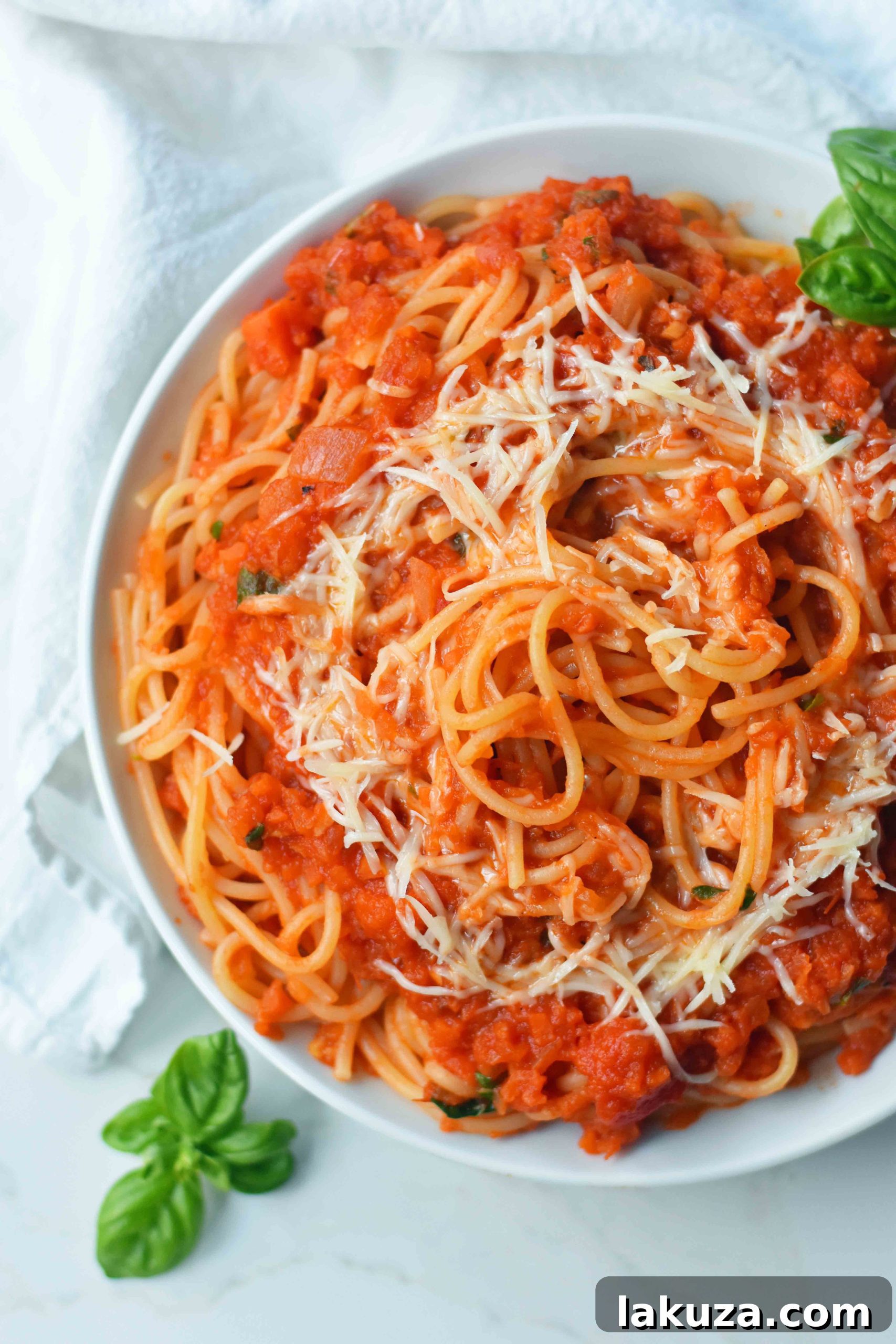
Crafting Your Homemade Spaghetti Sauce: A Step-by-Step Guide
Making homemade spaghetti sauce is a rewarding experience, and this recipe guides you through each step to ensure a rich and flavorful outcome. The key is allowing the ingredients to develop their full potential, creating a depth of flavor that store-bought sauces simply can’t match.
- Building the Flavor Base: Sautéing Aromatics. Begin by heating two tablespoons of high-quality extra-virgin olive oil in a medium-sized skillet over medium heat. Add your finely diced onion and carrot. Sauté these vegetables gently for about 5-7 minutes, until they become beautifully softened and translucent. This slow sautéing process is crucial as it coaxes out their natural sweetness and builds the foundational flavor of your sauce. Next, stir in the diced garlic and a pinch of red pepper flakes for a touch of warmth. Cook for just 1-2 minutes more, being careful not to burn the garlic, which can quickly turn bitter.
- Balancing Acidity: The Role of Sugar. Tomatoes, while delicious, can be quite acidic. To counteract this and achieve a perfectly balanced sauce, add two teaspoons of sugar at this stage. The sugar won’t make your sauce sweet; instead, it harmonizes the flavors, mellowing the tomato’s tartness and creating a rounder, more complex profile.
- Introducing the Tomatoes: Quality Matters. Pour in one 28-ounce can of whole peeled tomatoes, including their juices. If your budget allows, prioritize San Marzano tomatoes; their exceptional flavor and lower acidity truly make a difference. If you prefer a chunky marinara sauce, use a wooden spoon or a potato masher to break up the whole tomatoes into smaller pieces directly in the skillet. For a smoother sauce, you can blend the entire mixture with an immersion blender once it has simmered, or transfer it carefully to a standard blender (ensure it’s cooled slightly if using a standard blender to prevent pressure buildup). Cook the tomatoes for 8-10 minutes, allowing them to release their juices and mingle with the aromatics.
- Simmering to Perfection: Developing Depth. After the initial simmer, add 1 cup of water to the sauce. Continue to cook, stirring occasionally, for another 10 minutes. This simmering period allows the flavors to meld and deepen, and the sauce will begin to thicken to a desirable consistency. Taste and adjust seasoning with salt as needed.
- The Freshness Factor: Basil. Just before serving, stir in the fresh basil leaves, sliced into beautiful ribbons. The heat of the sauce will instantly awaken their aromatic oils, infusing the sauce with a vibrant, herbaceous freshness that transports you straight to an Italian garden.
- Tossing the Pasta: The Italian Way. While your sauce is simmering, cook 1 pound of spaghetti or your pasta of choice according to package instructions until al dente. Drain the pasta, reserving a little pasta water if desired (it can be used to loosen the sauce later if needed). In a large bowl, toss the hot pasta with 3/4 cup of high-quality grated Parmigiano-Reggiano cheese. This step, inspired by acclaimed chefs, adds a wonderful richness and a subtle salty kick to the pasta before the sauce is even added. Pour the warm homemade marinara sauce over the cheesy pasta, toss gently to combine, and serve immediately.
- Adding Meat (Optional): For a Heartier Sauce. If you desire a meatier sauce, brown your choice of ground meat (beef, pork, or a combination) in the pan after sautéing the onions and carrots, draining any excess fat before adding the garlic and red pepper flakes. This transforms your marinara into a robust, hearty ragu perfect for a more substantial meal.
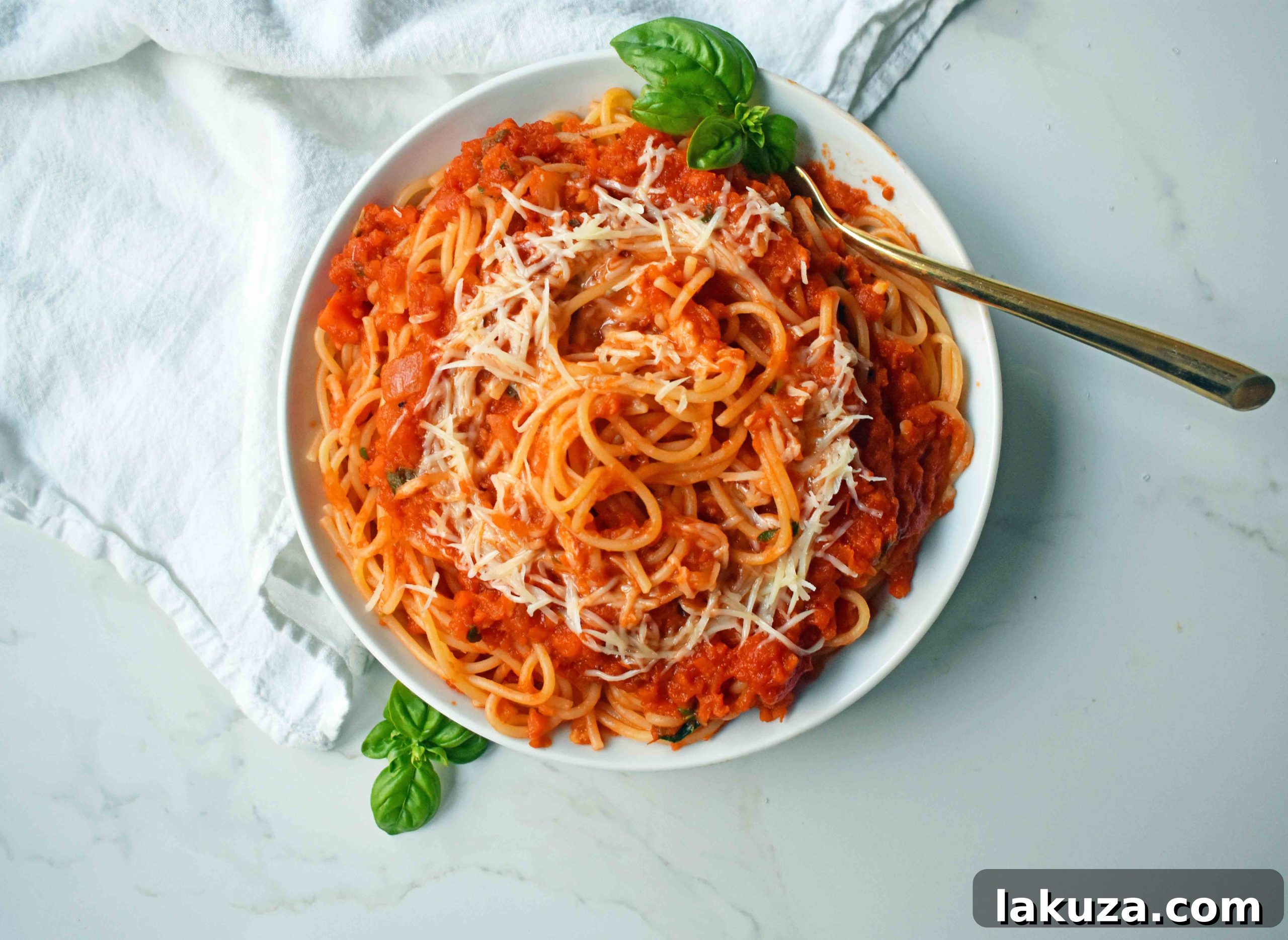
The Quest for the Best Tomatoes in Spaghetti Sauce
The quality of your tomatoes profoundly impacts the final flavor of your spaghetti sauce. While many varieties work well, there’s a reason why some are hailed as superior, particularly in Italian cooking.
As mentioned, San Marzano tomatoes are my absolute favorite for this sauce. These unique tomatoes originate from a specific region near Mount Vesuvius in Italy, benefiting from the fertile volcanic soil and a warm, sunny climate. They are elongated, plum-shaped, with fewer seeds, a thicker flesh, and a wonderfully balanced sweet-to-acid ratio. This inherent sweetness and low acidity make them ideal for sauces, yielding a naturally rich and mellow flavor. When shopping, look for canned San Marzano tomatoes, often identifiable by their “DOP” (Denominazione di Origine Protetta) certification, which guarantees their authenticity. While they often come with a higher price tag due to their unique origin and quality, the difference in flavor is noticeable and often worth the investment for a truly authentic taste.
However, if San Marzano tomatoes are not within your budget or readily available, don’t fret! Any high-quality canned whole peeled tomatoes will still yield a fantastic spaghetti sauce. When selecting other canned varieties, look for brands that pack their tomatoes in juice, not water, as this indicates better flavor. Crushed tomatoes can also work, offering a quicker breakdown for a smoother sauce. If you prefer to use fresh tomatoes, Roma tomatoes are an excellent choice due to their firm flesh and low seed count, similar to San Marzanos. You’ll need to blanch and peel them yourself, but the effort is rewarded with a vibrant, fresh-tasting sauce, especially when tomatoes are in season.
Storage Solutions for Your Homemade Spaghetti Sauce
One of the most practical and delightful aspects of this homemade marinara sauce is its excellent storability. Making a large batch means you’ll always have a supply of delicious, wholesome sauce on hand for quick meals, a true savior on busy days.
For short-term storage, I recommend transferring any leftover spaghetti sauce into airtight jars, such as glass mason jars. Stored in the refrigerator, this sauce will maintain its freshness and robust flavor for up to 14 days, making it perfect for meal prepping throughout the week. For longer storage, this sauce freezes beautifully. Allow the sauce to cool completely, then transfer it to freezer-safe containers or heavy-duty freezer bags. It can be frozen for up to 3-4 months. When you’re ready to use it, simply thaw it in the refrigerator overnight and gently reheat on the stove, adding a splash of water or broth if needed to restore its perfect consistency.
More Italian-Inspired Recipes:
Homemade Marinara Sauce
Mama’s Best Ever Spaghetti and Meatballs
TikTok Million Dollar Baked Spaghetti
Boursin Cheese Baked TikTok Pasta
Thank you for exploring this authentic Italian marinara sauce recipe! I genuinely hope you enjoy creating and savoring this flavorful dish. Your feedback means the world to me, so if you make this recipe, please be sure to leave a comment and give it a rating below. Don’t forget to sign up for my newsletter to stay updated on new recipes and culinary tips. Happy Cooking, my friends! I truly do have the greatest readers. FOLLOW ME ON: INSTAGRAM — FACEBOOK — PINTEREST
Average Rating: 5 from 4 votes
Homemade Marinara Spaghetti Sauce
Equipment
-
10 inch cast iron skillet
Ingredients
- 2 Tablespoons Extra-Virgin Olive Oil
- 1 small Onion diced
- 1 Carrot diced or grated
- 4 Garlic Cloves diced
- 1 teaspoon Red Pepper Flakes
- 2 teaspoons Sugar
- 1 1/2 teaspoons Salt
- 1 – 28 ounce can Whole Peeled Tomatoes such as San Marzano tomatoes
- 1/3 cup Fresh Basil Leaves sliced into ribbons
- 1 lb. Spaghetti or pasta of choice
- 1 1/2 cup Grated Parmigiano-Reggiano Cheese high-quality parmesan cheese
Instructions
- In a medium skillet, heat the olive oil over medium heat. Add the onion and carrot and cook for 5-7 minutes. Add garlic, red pepper flakes, and salt. Cook for 1 minute longer.
- Add the tomatoes (with juices) and sugar. Use a wooden spoon to break up the tomatoes. If you want a smooth sauce, blend sauce in a blender. Cook for 8 – 10 minutes. Add 1 cup of water. Continue to cook for another 10 minutes, until sauce begins to thicken.
- Season to taste and add fresh basil.
- Meanwhile, in a large pot, bring water to boil over high heat. Generously add salt to the water. Once the water is boiling, add the pasta and stir. Cook the pasta until al dente, according to package instructions. Drain.
- In a large bowl, toss the pasta with 3/4 cup of Parmigiano-Reggiano Cheese. Pour the sauce over the pasta. Sprinkle remaining cheese on top of sauce and serve.
Nutrition
- Calories: 440kcal
- Carbohydrates: 62g
- Protein: 19g
- Fat: 12g
- Saturated Fat: 4g
- Cholesterol: 17mg
- Sodium: 1000mg
- Potassium: 265mg
- Fiber: 3g
- Sugar: 4g
- Vitamin A: 2065IU
- Vitamin C: 2.8mg
- Calcium: 325mg
- Iron: 1.4mg
Nutrition information is automatically calculated, so should only be used as an approximation.
Additional Info
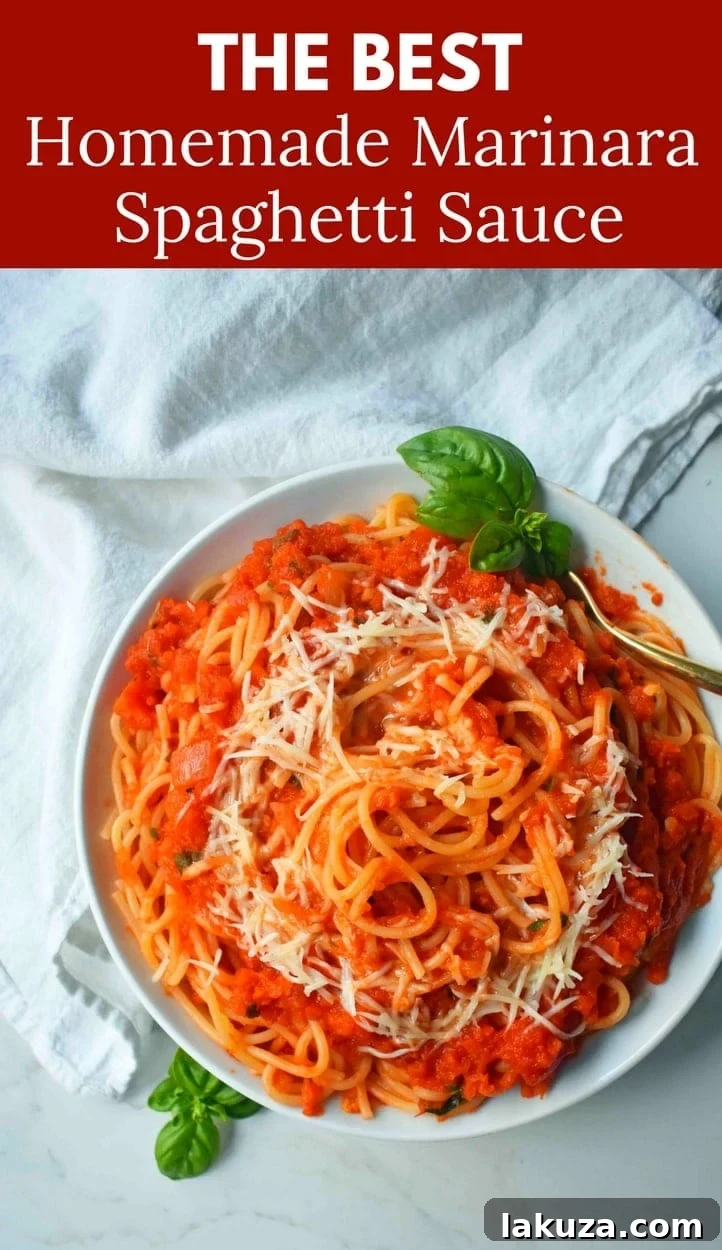
I hope you love this authentic Italian marinara sauce! Happy Cooking, my friends!