
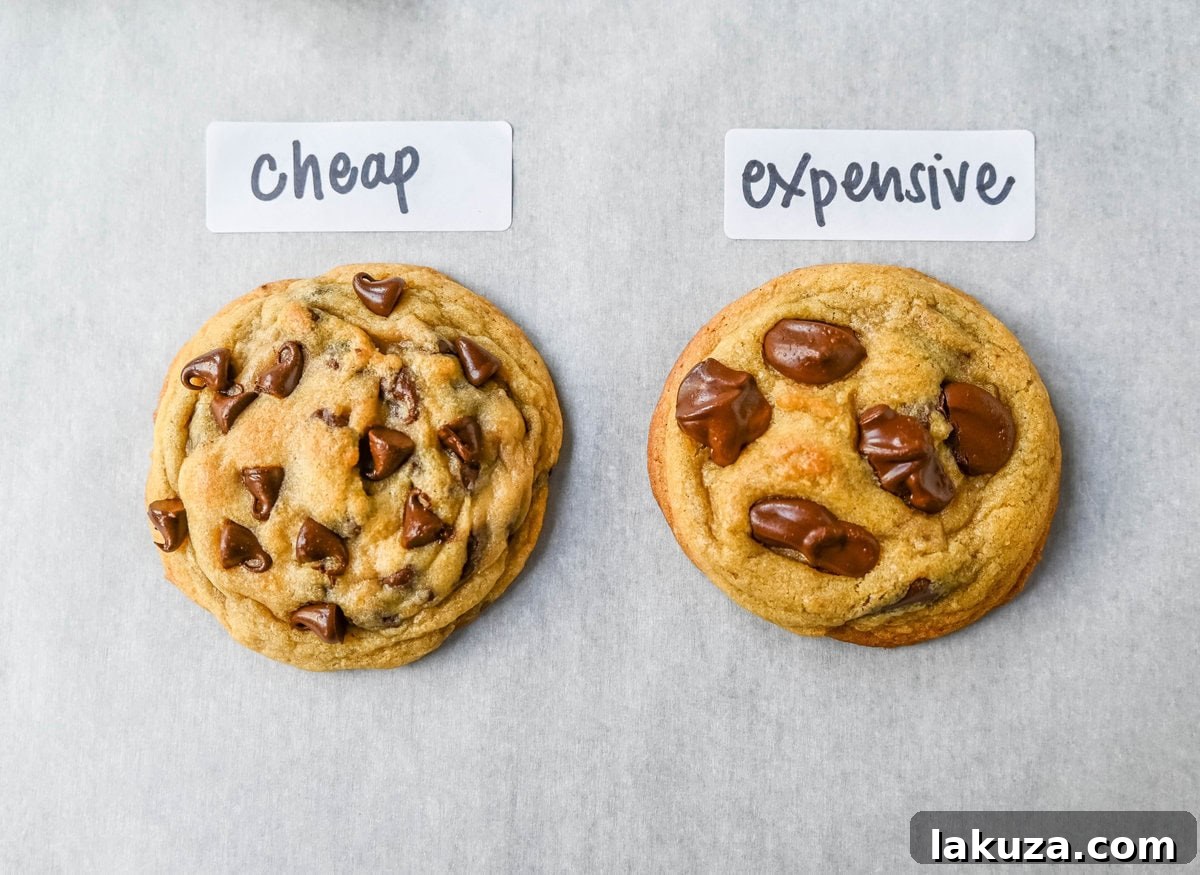
Welcome, fellow baking enthusiasts! The quest for the perfect chocolate chip cookie is a delicious journey, often sparking debates about the secret behind their irresistible charm. Many home bakers wonder: Do ingredients truly matter in baking chocolate chip cookies? Does opting for generic, budget-friendly options compared to their more expensive, premium counterparts make a noticeable difference in the final product? This comprehensive study dives deep into this flavorful question, comparing brand-name vs. generic ingredients to uncover their impact on taste, texture, and appearance. Join us as we explore whether cheap vs. expensive ingredients make a difference, especially in a beloved classic like the chocolate chip cookie.
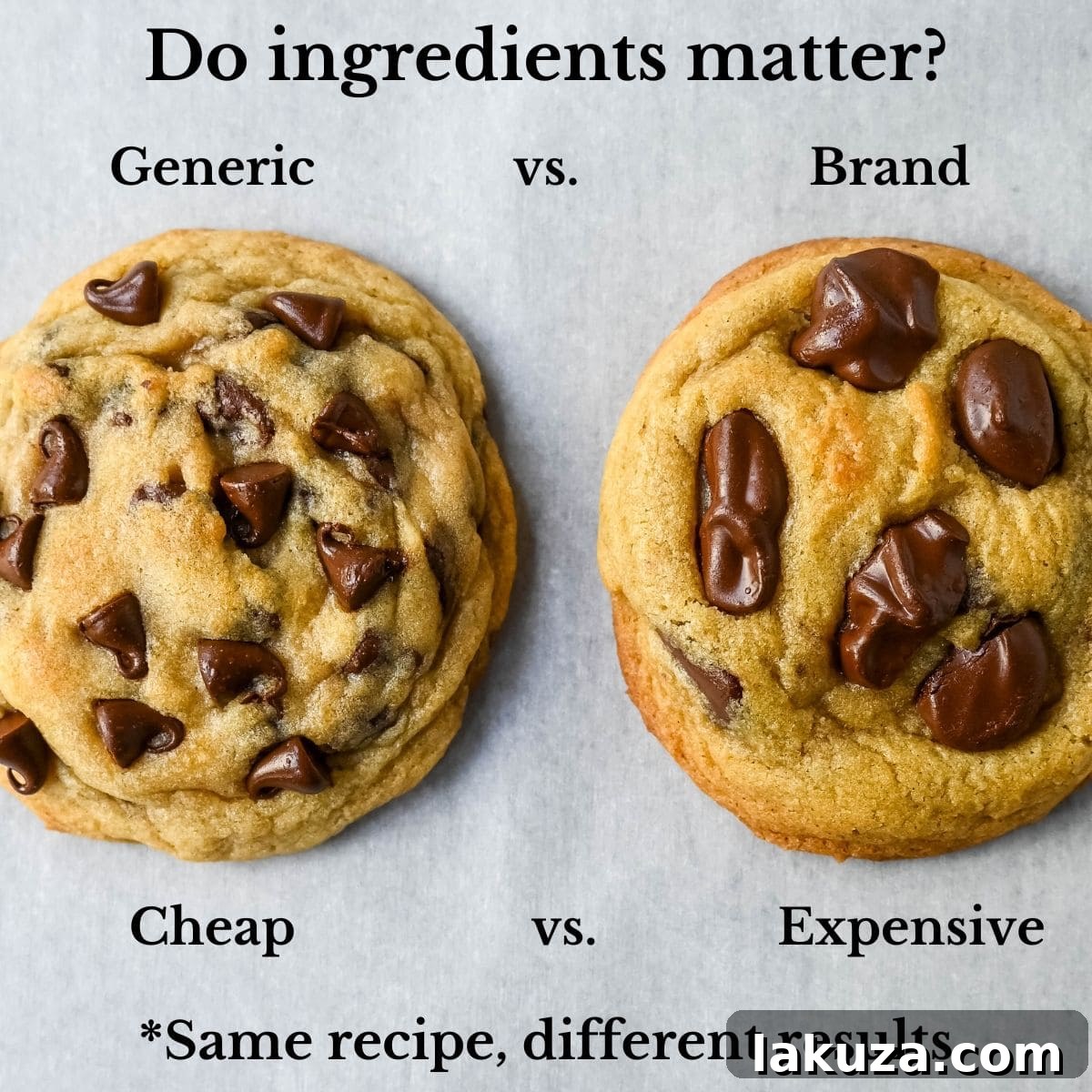
As a self-proclaimed baking nerd, I’m constantly fascinated by the science behind our favorite treats. Understanding the “whys” of baking empowers me to craft my own unique recipes, predict outcomes, and achieve ideal ratios for every particular cookie creation. I’ve likely tested countless chocolate chip cookie recipes from across the globe, each contributing to my ongoing learning. This profound passion for perfecting the humble chocolate chip cookie led me to embark on this ingredient deep-dive. Given the significant rise in prices for essential baking ingredients like chocolate chips, butter, and eggs over recent years, I was particularly keen to investigate if the quality difference truly justifies the cost. This experiment aims to provide clarity and empower bakers to make informed choices without sacrificing deliciousness.

This comparative study meticulously examines how ingredient choices—specifically between generic, budget-conscious options and their higher-priced, premium counterparts—ultimately impact the final baked result. While seemingly straightforward, chocolate chip cookies are a nuanced culinary canvas where ingredient quality can dramatically influence flavor profiles, textural integrity, and overall visual appeal. Below, I’ll detail my baking journey, the fascinating discoveries made, and why carefully considering your ingredient selection might be a worthwhile endeavor when preparing your next batch of comforting cookies.
My inspiration for this particular deep dive stemmed from the brilliant work of Tessa from Handle the Heat, who expertly analyzed her favorite cookie recipe to determine if ingredients truly mattered. Her scientific approach and insightful findings were a catalyst for my own investigation. Following her footsteps, I decided to utilize my very own Best Chocolate Chip Cookie Recipe, meticulously maintaining the exact same baking method while systematically swapping between the cheapest ingredients available at the grocery store and the most expensive, high-end options. The ultimate goal: to discern which batch delivered a superior taste and overall experience.
As you read through my findings, I’d love to hear your thoughts and experiences! What do you think about the impact of ingredient quality in baking? Have you noticed a significant difference in your own kitchen experiments?
Do Ingredients Really Matter in Baking? A Deeper Look
In the realm of baking, every single ingredient plays a crucial, distinct role, acting in concert to shape the final product. For chocolate chip cookies, the fundamental components—flour, sugar, butter, eggs, chocolate, and leaveners—each contribute uniquely to the cookie’s structure, flavor, and texture. Consider sugar, for instance: while both brown sugar and granulated sugar are sweeteners, their chemical compositions and physical properties differ significantly. Brown sugar, containing molasses, introduces moisture and a slightly acidic component, resulting in a chewier, more tender cookie with a deeper, caramel-like flavor. Granulated sugar, on the other hand, melts and spreads more readily, contributing to a crisper edge and a more even spread. These subtle differences underscore why ingredient choice is never merely arbitrary.
For the purpose of this particular experiment, I prepared two identical batches of cookies, both meticulously following my tried-and-true chocolate chip cookie recipe. The only variable was the ingredient quality. One batch featured generic, store-brand ingredients, carefully selected for their affordability, while the other utilized premium, well-known brand ingredients. After baking, both batches were subjected to a blind taste test, where they were rigorously ranked based on three critical criteria: appearance, taste, and texture. This systematic approach allowed for a clear, unbiased comparison of the impact of ingredient quality.
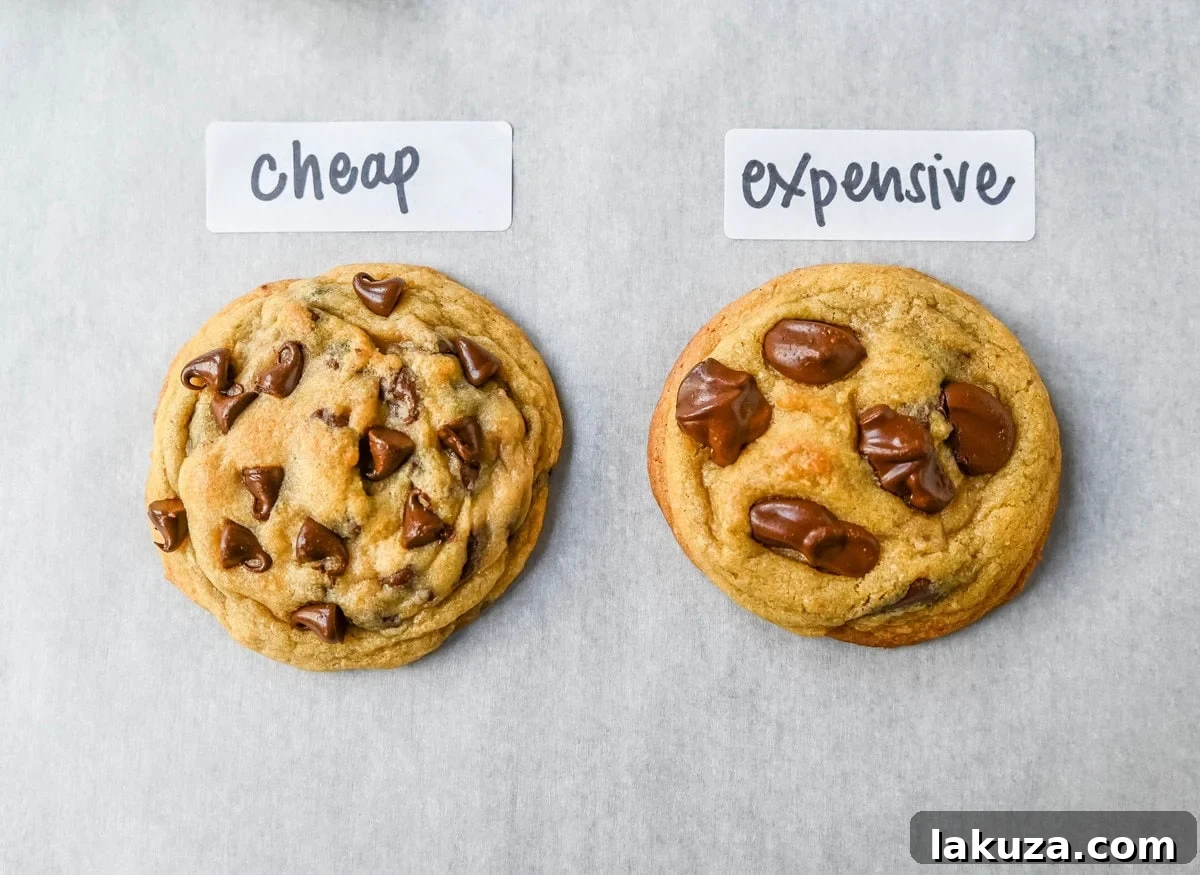
Generic (Cheaper) vs. Brand Premium (Expensive) Ingredients: A Cost & Quality Comparison
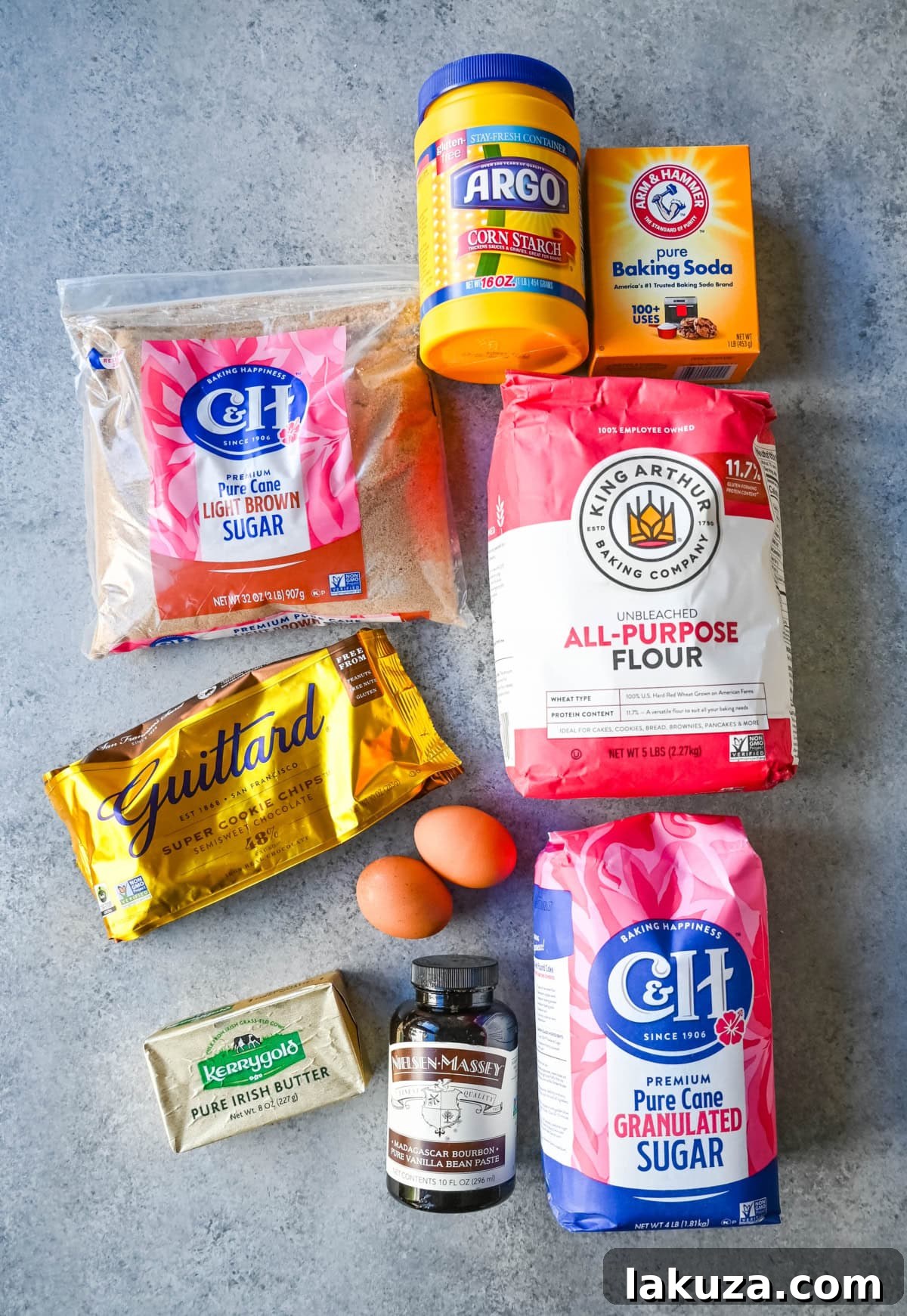
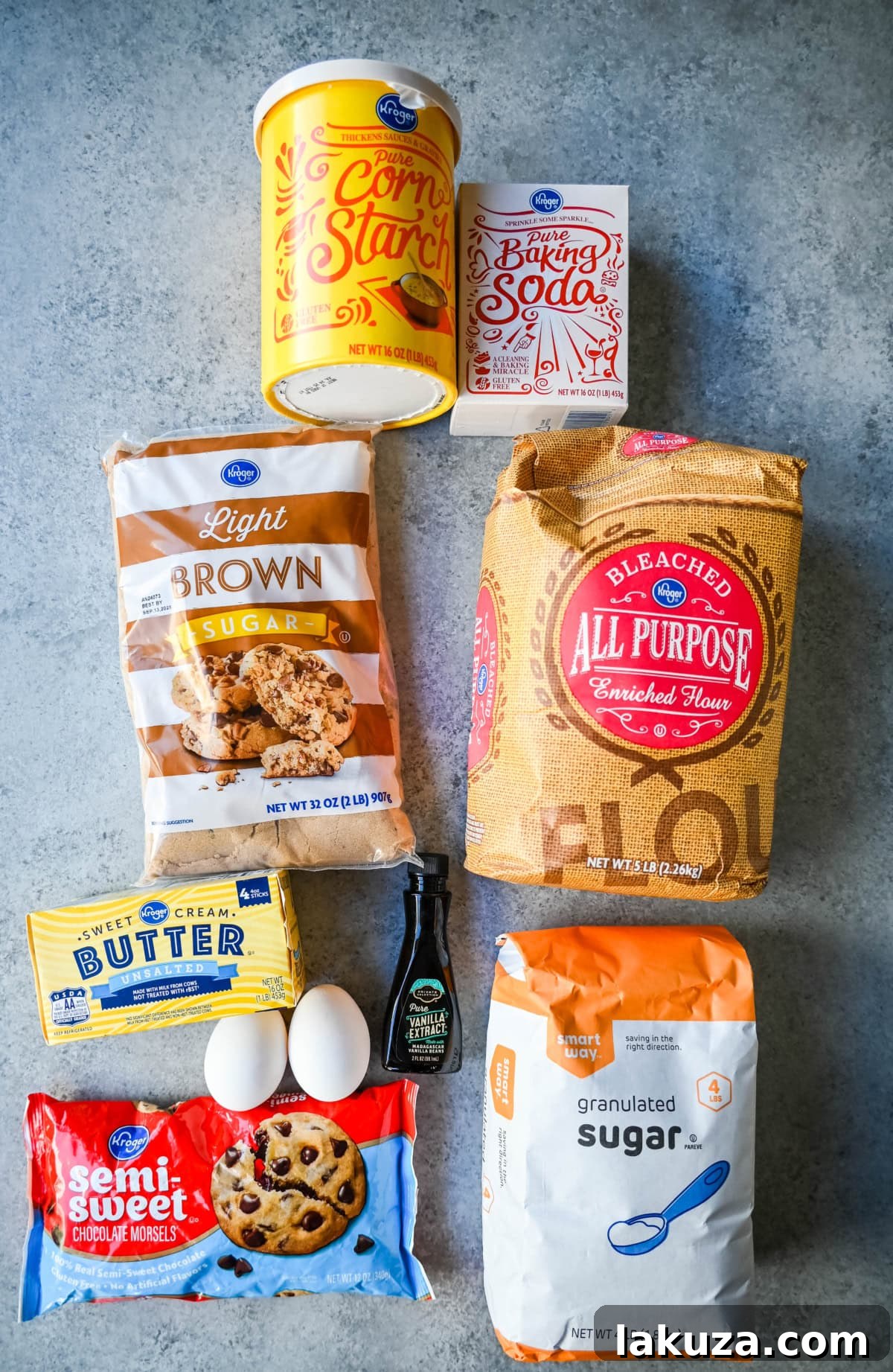
To provide a clear understanding of the investment involved in each cookie batch, here’s a detailed breakdown of the ingredients purchased and their respective costs for our experiment. It’s important to note that the prices listed below reflect the cost of larger quantities (e.g., 1 lb. butter, 5 lb. sugar, dozen eggs, 5 lb. flour, etc.), meaning the final totals are for the bulk ingredients, not the exact amount used for a single batch of cookies.
Generic & Inexpensive Ingredients Cost:
Kroger Butter: $4.49 ($2.25 per typical batch of cookies)
Kroger Brown Sugar: $2.59
Smart Way Granulated Sugar: $3.29
Kroger Eggs: $3.59
Private Selection Vanilla Extract: $5.49
Kroger All-Purpose Flour: $2.69
Kroger Baking Soda: $1.19
Kroger Cornstarch: $1.99
Kroger Salt: $0.79
Kroger Semi-Sweet Chocolate Chips: $2.99
TOTAL (for bulk purchase): $29.10
Brand Premium & Expensive Ingredients Cost:
Kerrygold Butter: $8.49 ($4.25 per typical batch of cookies)
C&H Brown Sugar: $4.19
C&H Granulated Sugar: $5.49
Nellie’s Free Range Eggs: $4.99
Nielsen-Massey Vanilla Bean Paste: $28.99
King Arthur All-Purpose Flour: $6.49
Arm & Hammer Baking Soda: $1.79
Argo Cornstarch: $2.99
Morton Salt: $2.99
Guittard Super Cookie Chips: $6.99
TOTAL (for bulk purchase): $73.40
How Flour Type Influences Cookie Texture
Flour serves as the foundational structure in nearly all baked goods, and its type significantly dictates the final texture due to variations in gluten content. Gluten, a protein composite, is responsible for the elasticity and chewiness in dough, directly impacting the tenderness and overall structure of your cookies. Generally, I opt for all-purpose flour in most of my baking recipes unless a specific texture or quality is desired.
- Cake Flour (6-8% Gluten): This low-protein, finely milled flour is cherished for its ability to create exceptionally delicate baked goods. Its minimal gluten development results in a very soft and tender crumb, often lending a coveted “melt-in-your-mouth” sensation to cookies. I frequently use it in my Levain Bakery Chocolate Chip Cookie Recipe for that signature tender chew.
- All-Purpose Flour (10-12% Gluten): The versatile workhorse of the kitchen, all-purpose flour strikes a perfect balance with a moderate gluten level. This allows it to provide sufficient structure for a wide range of baked goods, including cookies, cakes, and breads. When used in cookies, it typically yields a satisfyingly chewy texture that is neither overly soft nor excessively firm, making it the go-to choice for classic chocolate chip cookies, including my own Best Chocolate Chip Cookies recipe.
- Bread Flour (12-14% Gluten): Characterized by its high protein content, bread flour promotes robust gluten development, leading to a more resilient and chewy structure. In cookies, this translates to a denser, chewier consistency with a distinct, slightly crisp edge. It imparts a more substantial “bite” due to the increased gluten. While not as common for chocolate chip cookies, some bakers prefer bread flour for a truly hearty and chewy result. I don’t currently feature recipes using bread flour for cookies on Modern Honey.
- Pastry Flour (8-9% Gluten): Positioned between cake and all-purpose flour in terms of gluten content, pastry flour is often chosen for tender items like pie crusts and biscuits. If incorporated into cookies, it produces a soft and subtly crumbly texture, ideal for those seeking a less chewy and more delicate cookie experience.
The Butter Debate: How Butter Type Affects Your Cookies
The choice of butter is far from trivial in baking, especially when crafting the perfect chocolate chip cookie. A common question arises: what is the actual difference between using a premium European butter, such as Kerrygold, compared to a standard store-brand or generic type of butter? And crucially, does this distinction in butter significantly influence the final texture, flavor, and spread of your chocolate chip cookies?
The answer is a resounding yes! European butters, epitomized by brands like Kerrygold, boast a higher butterfat content, typically ranging from 82-84%, and consequently, less water. In stark contrast, standard American butters generally contain around 80% butterfat. This seemingly small difference in fat content has a profound impact on your cookies.
What does this mean for your cookies?
The elevated fat content in European butters contributes to richer, denser cookies with noticeably less spread. With less water in the butter, less steam is generated during the baking process, which helps the cookies maintain their shape and develop a more concentrated, buttery flavor. Conversely, cookies made with generic, lower-fat butter tend to spread more significantly due to the increased moisture content. This can result in thinner, sometimes slightly greasier cookies that lack the profound richness and complex buttery notes found in their European butter counterparts. The difference is palpable in both texture and overall flavor profile.
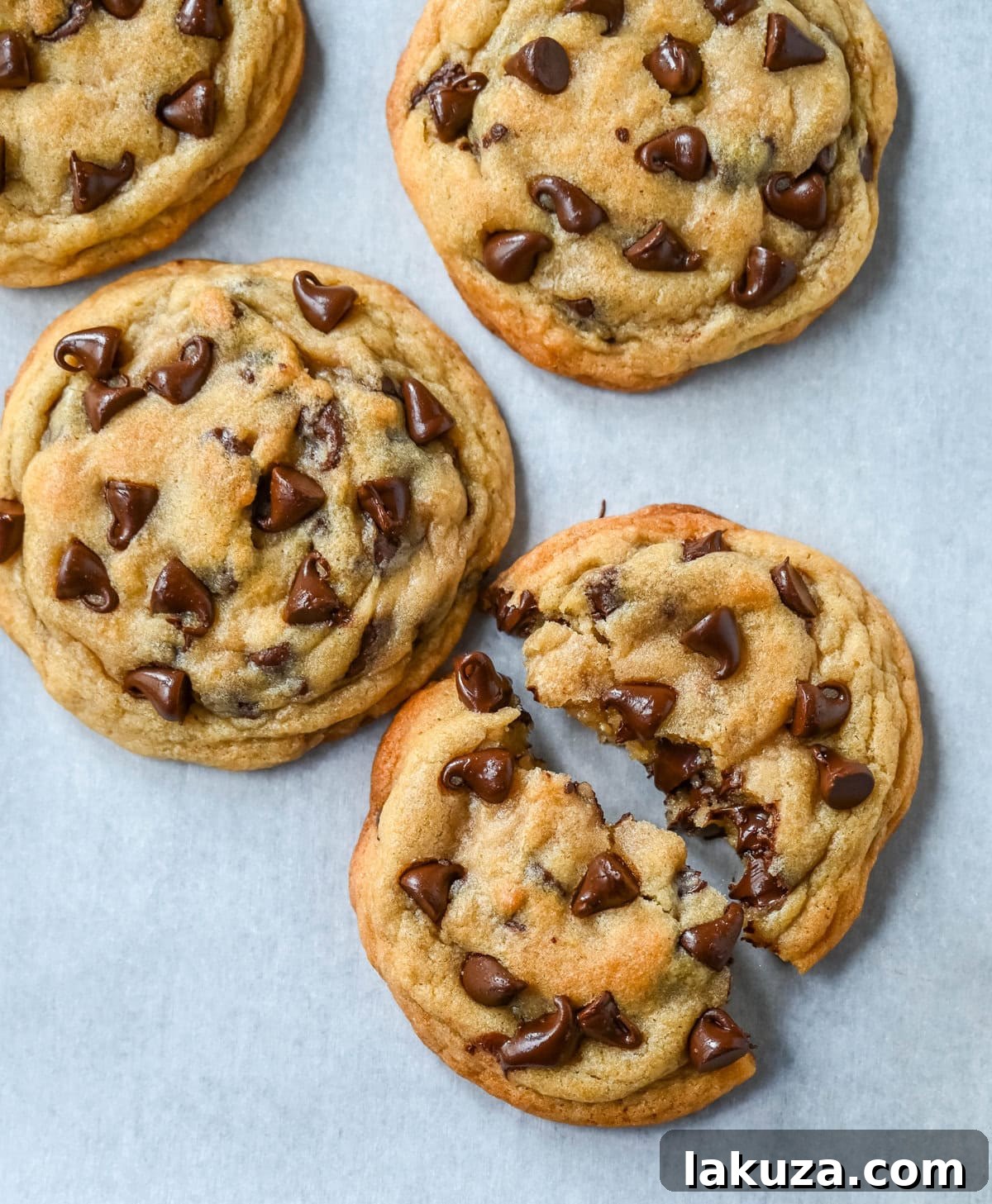
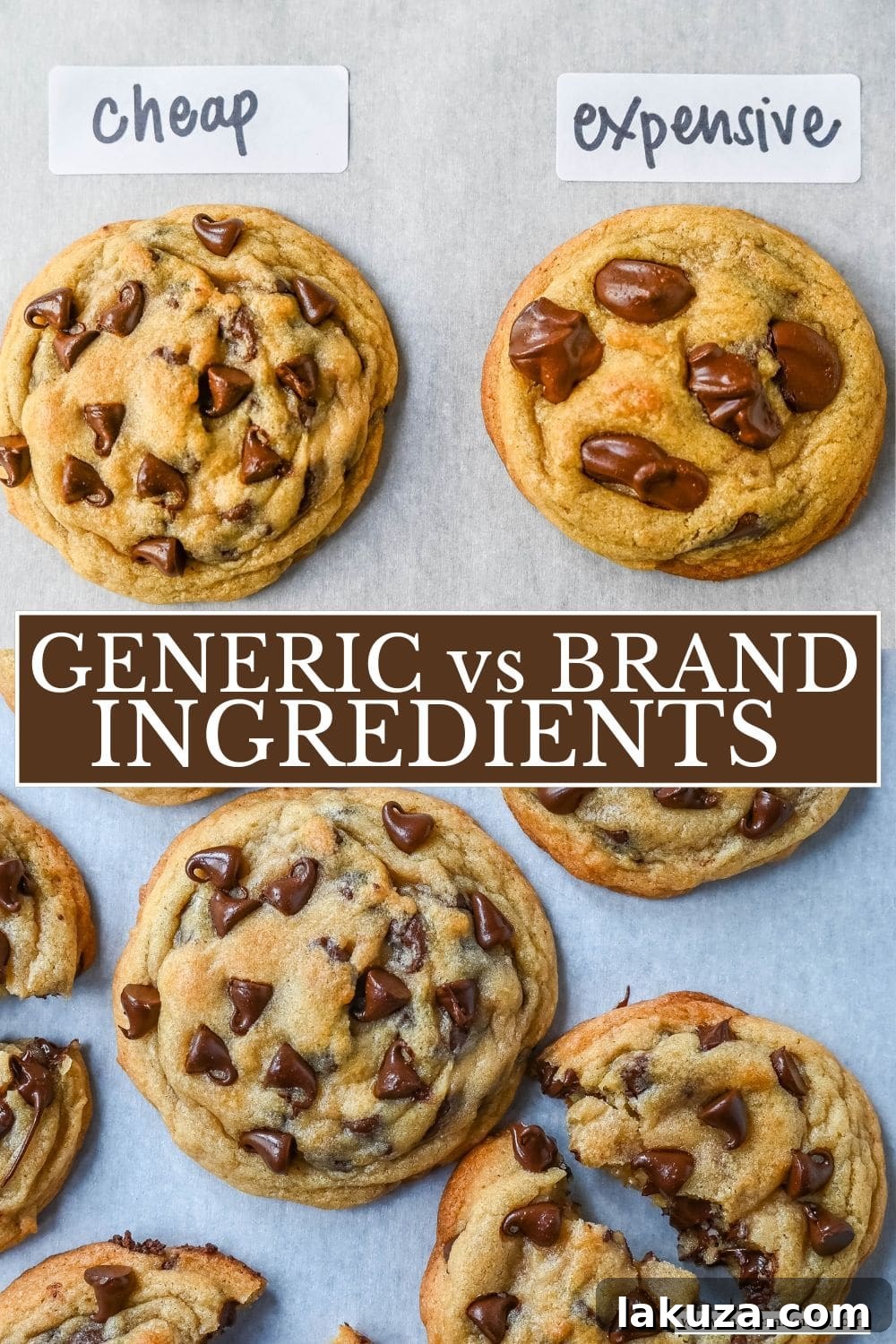
In the course of this experiment, my observations strongly supported this principle. The chocolate chip cookies baked with the premium European butter, Kerrygold, exhibited a reduced spread, a more appealing thickness, and a distinctly richer, more indulgent buttery flavor that captivated the taste testers.
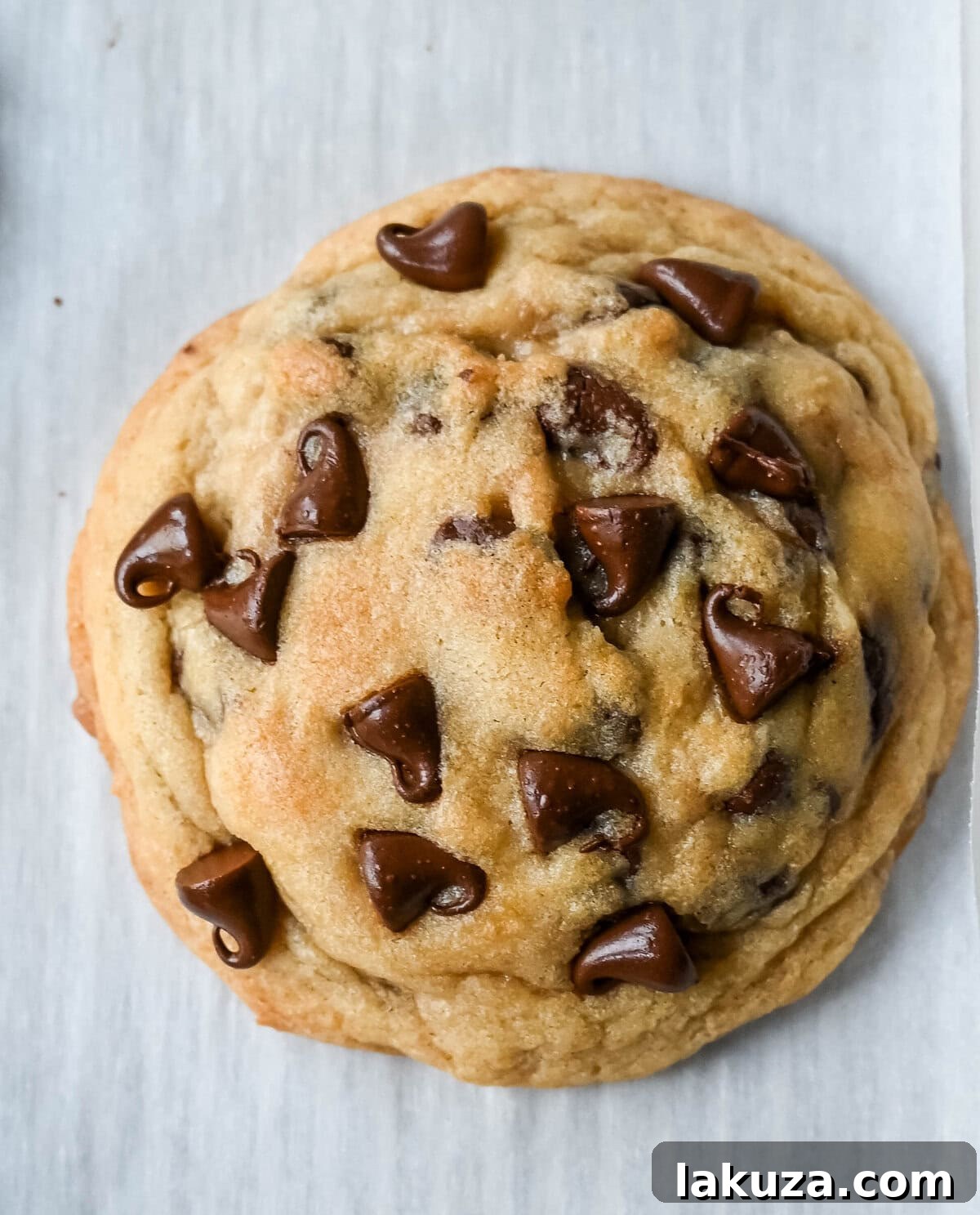
While the cookies made with the Kroger store-brand butter were still undeniably delicious and satisfying, they did spread a bit more, resulting in a slightly thinner profile. They also presented a marginally greasier appearance and a less intense buttery depth compared to the premium batch. This highlights that while generic butter can still yield a good cookie, the nuances of quality are undeniably present.
Analysis and Results: Unveiling the Cookie’s Secrets
Our chocolate chip cookie experiment yielded fascinating insights, reinforcing some long-held baking beliefs while revealing unexpected preferences.
Chocolate Chip Cookie Dough: The Initial Taste Test
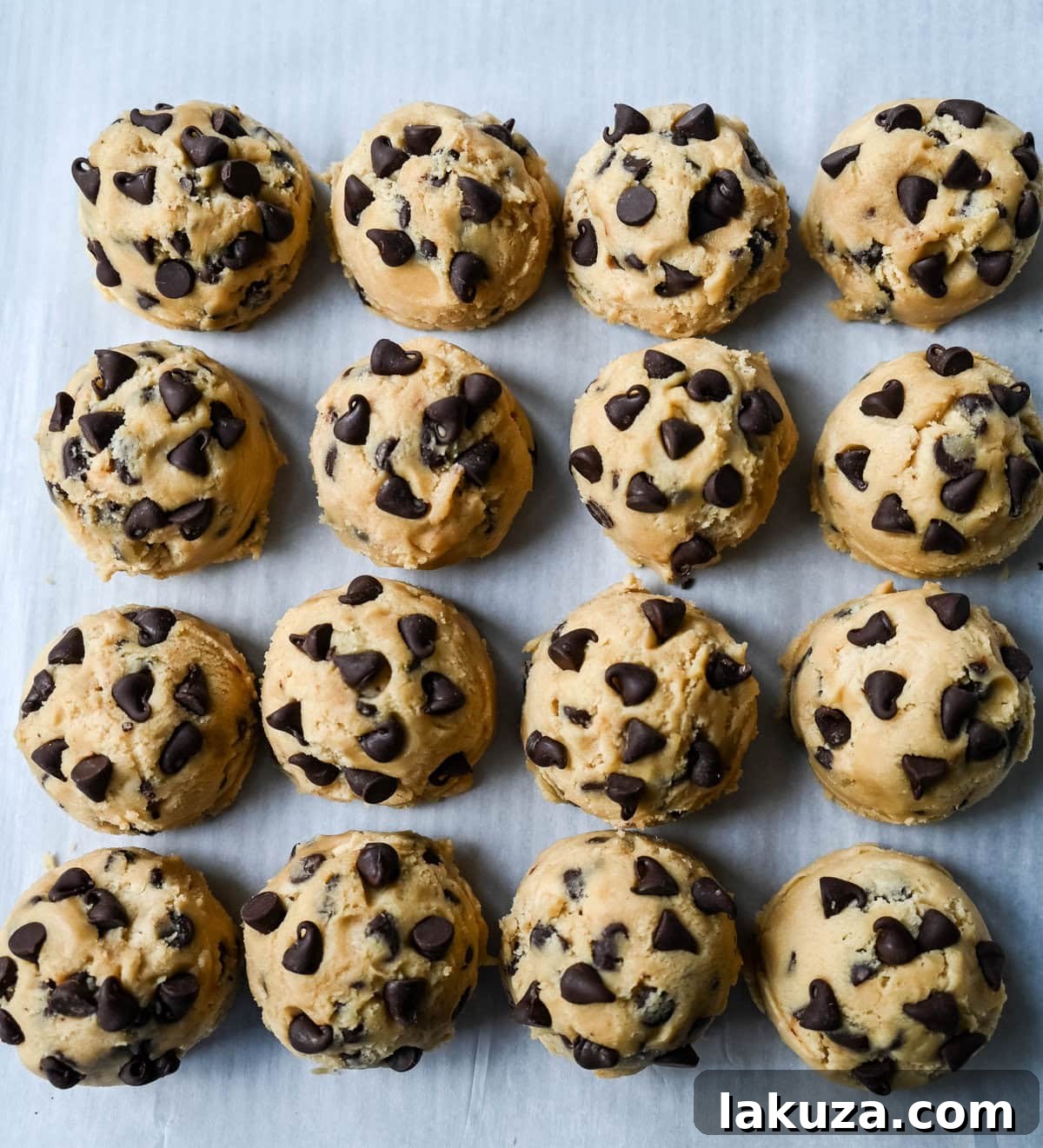
Even before baking, significant differences were evident in the cookie dough itself. The premium, expensive dough exhibited a smoother consistency and a noticeably richer, more inviting yellow hue, largely attributable to the high butterfat content and vibrant color of the Kerrygold butter. Taste testers immediately preferred the raw premium dough, praising its deeper, more complex flavor profile. In contrast, the cookie dough prepared with generic ingredients presented a lighter color and a subtly milder flavor. It had a somewhat “airy” taste, and while the generic chocolate chips were acceptable, they simply couldn’t compete with the superior quality and intense flavor of the Guittard Super Cookie Chip Chunks.
The Magic of Chilling the Dough
I am an ardent advocate for chilling cookie dough, a practice that offers multiple benefits. Chilling allows the flavors within the dough to meld and deepen over time, creating more harmonious and complex taste notes, often developing delightful caramel and toffee undertones. Crucially, it also prevents excessive spreading during baking, resulting in thicker, chewier cookies. An interesting observation from this experiment was that chilling proved particularly beneficial for the cookie dough made with the cheaper, generic ingredients. The extended resting period allowed its flavors to develop more fully, bringing it a little closer in taste and complexity to the premium cookie dough.
Baking Results: The Final Verdict
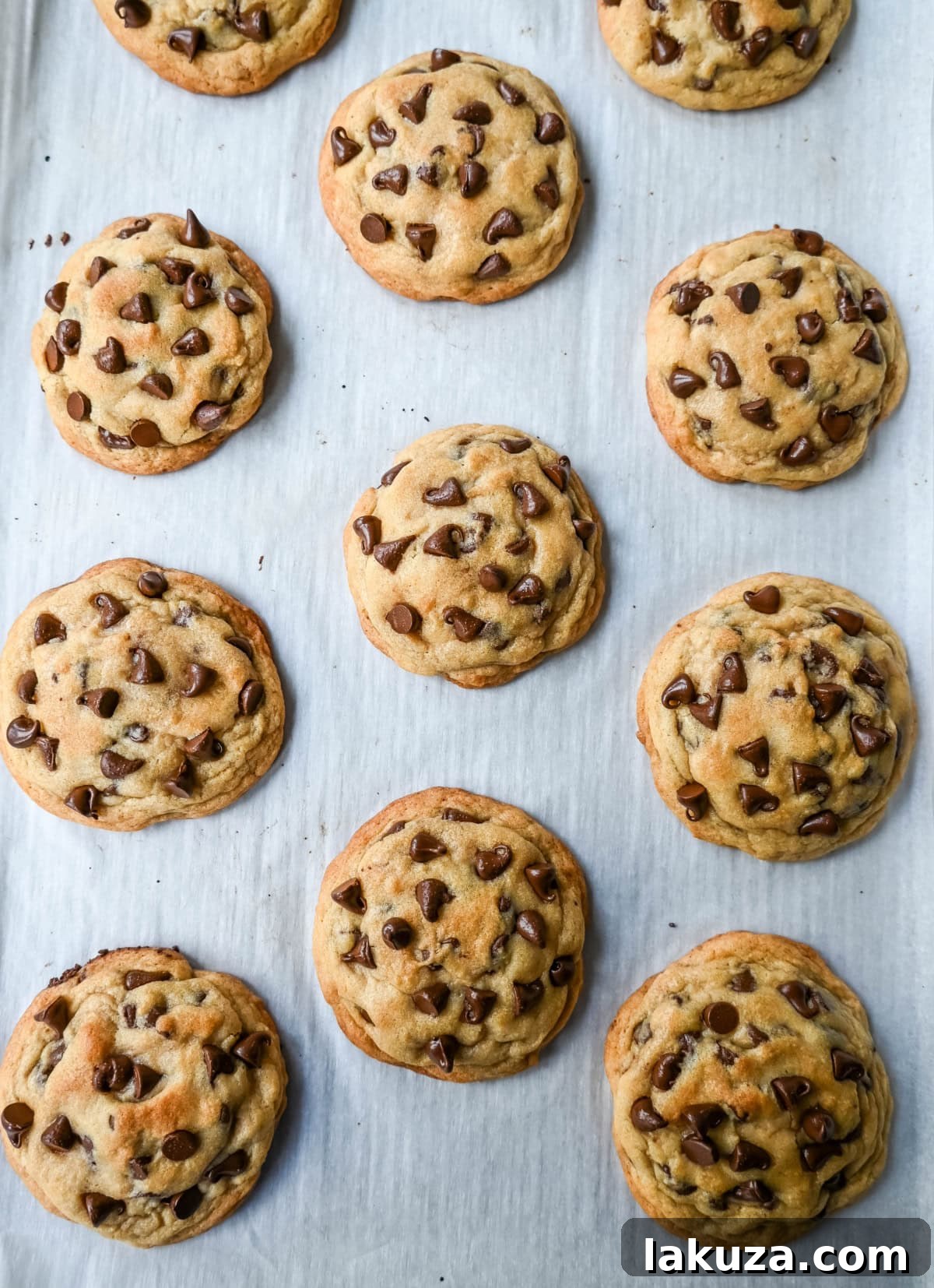
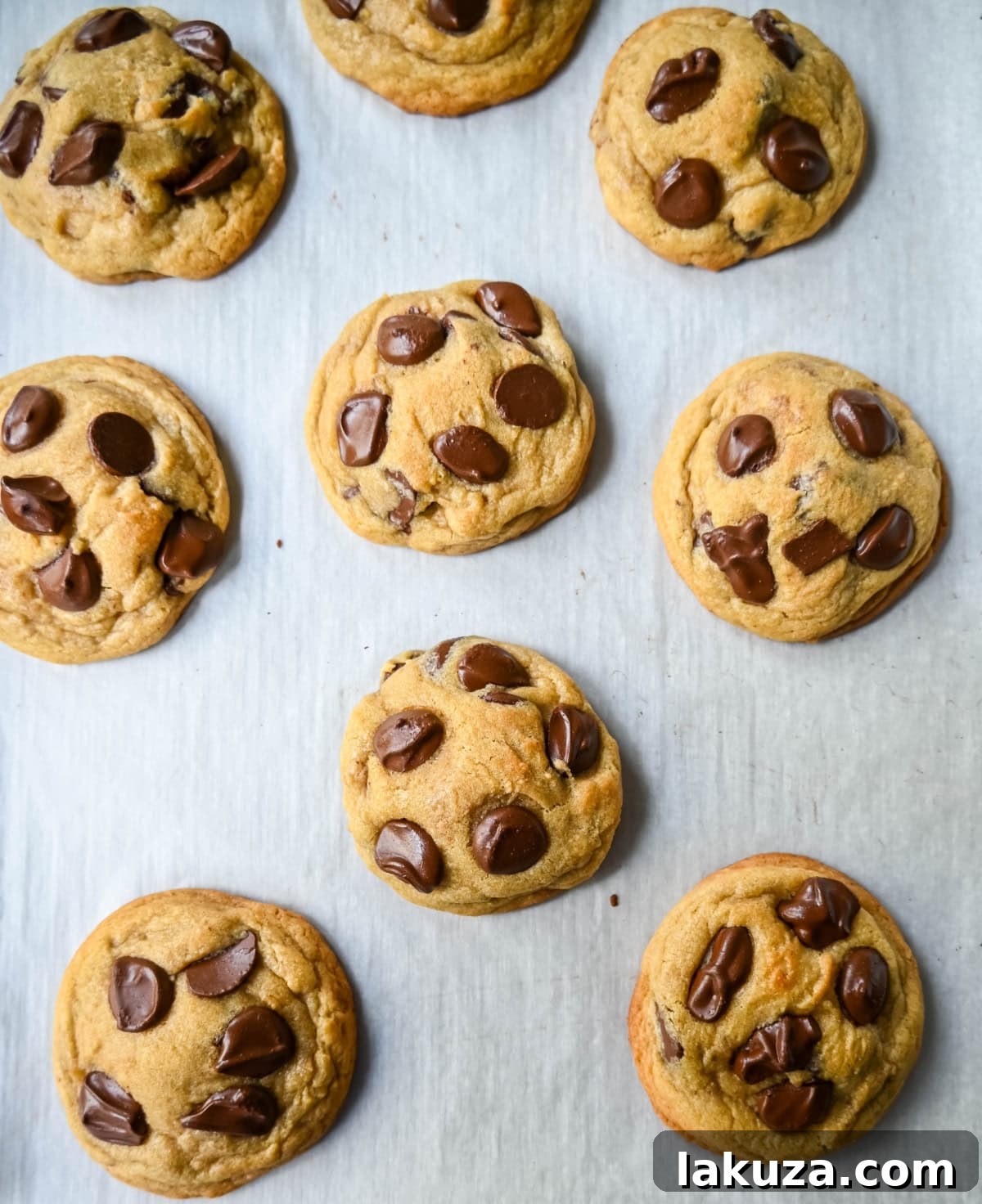
The outcome of the chocolate chip cookie baking experiment largely aligned with my initial hypotheses. The type of butter used emerged as a significant factor, primarily due to its varying fat and water content, directly influencing cookie spread, texture, and richness. Additionally, even subtle differences in the gluten percentage among various brands of all-purpose flour (ranging from 10-12%) were found to impact the final texture of the baked cookies.
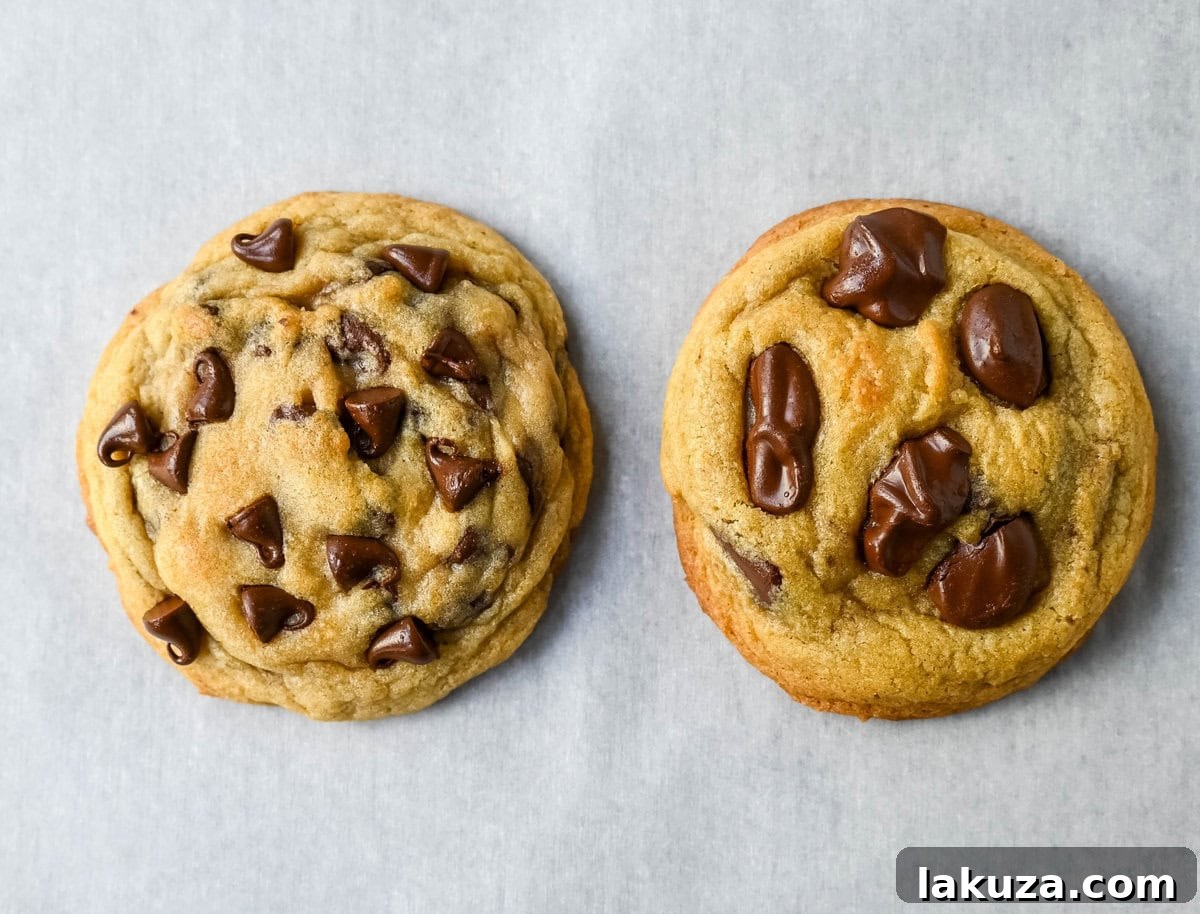
Overall, the more expensive chocolate chip cookies consistently performed better in the comprehensive taste tests. They offered a more profound depth of flavor, a superior texture, and a more appealing appearance. Interestingly, a notable piece of feedback highlighted a demographic divide in preference: adults overwhelmingly favored the cookies made with premium brand ingredients, whereas children seemed to gravitate towards the cookies crafted with generic ingredients. This intriguing disparity could potentially be attributed to the type of chocolate used, as the Guittard Super Cookie Chips possess a slightly more nuanced, semi-sweet flavor profile compared to the generally sweeter, simpler taste of the store-brand chocolate chips, which might appeal more to a younger palate.
Furthermore, an important observation emerged regarding freshness. After storing both batches in large gallon-sized Ziploc bags and conducting a second taste test the following day, a clear difference in shelf stability became apparent. The premium cookies made with expensive ingredients retained their soft, chewy texture for a longer duration, staying delightfully fresh. In contrast, the cookies prepared with less expensive, generic ingredients dried out more quickly and became crumbly at a faster rate. This finding suggests that higher-quality ingredients not only enhance immediate taste and texture but also contribute to a longer-lasting freshness.
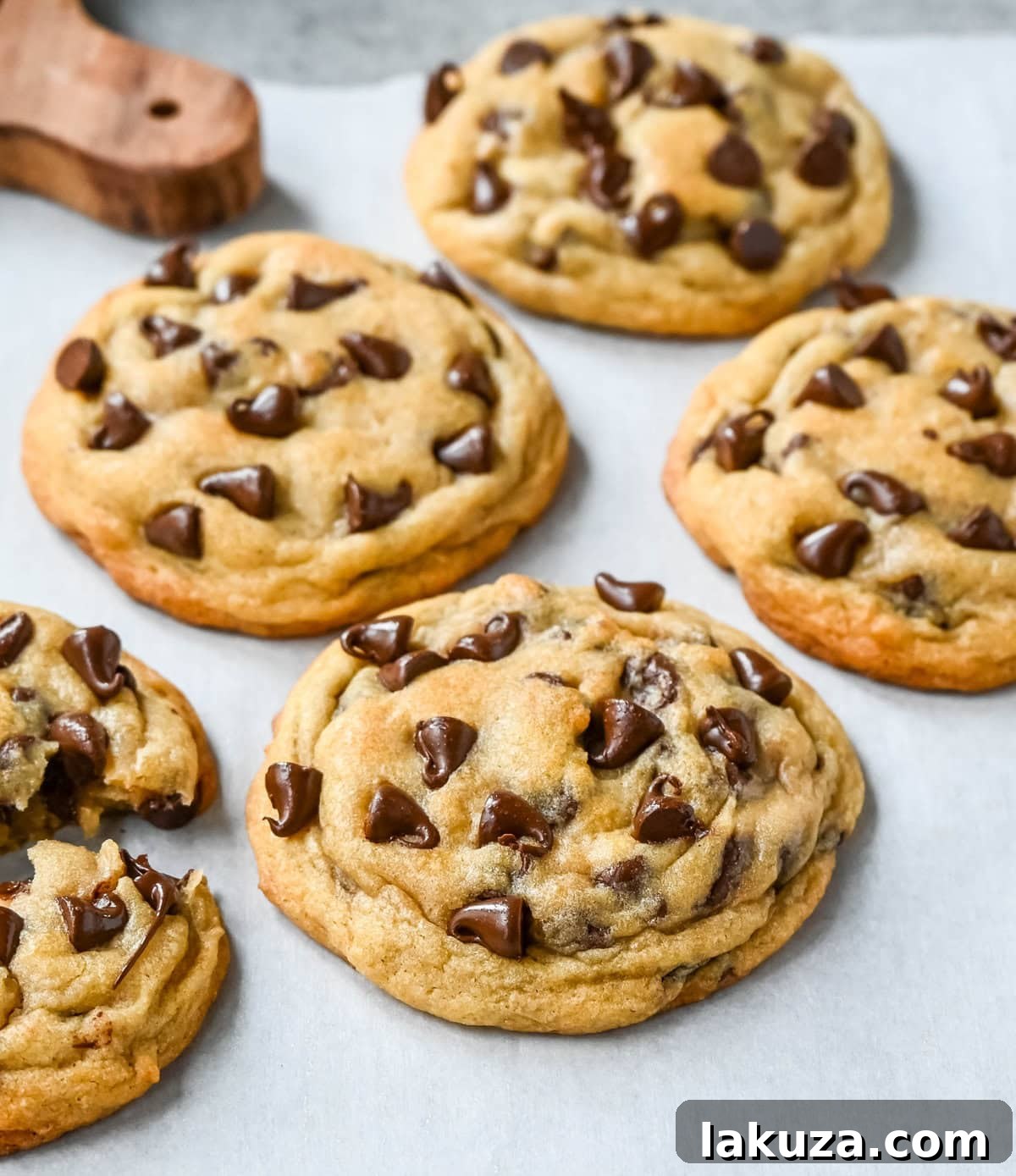
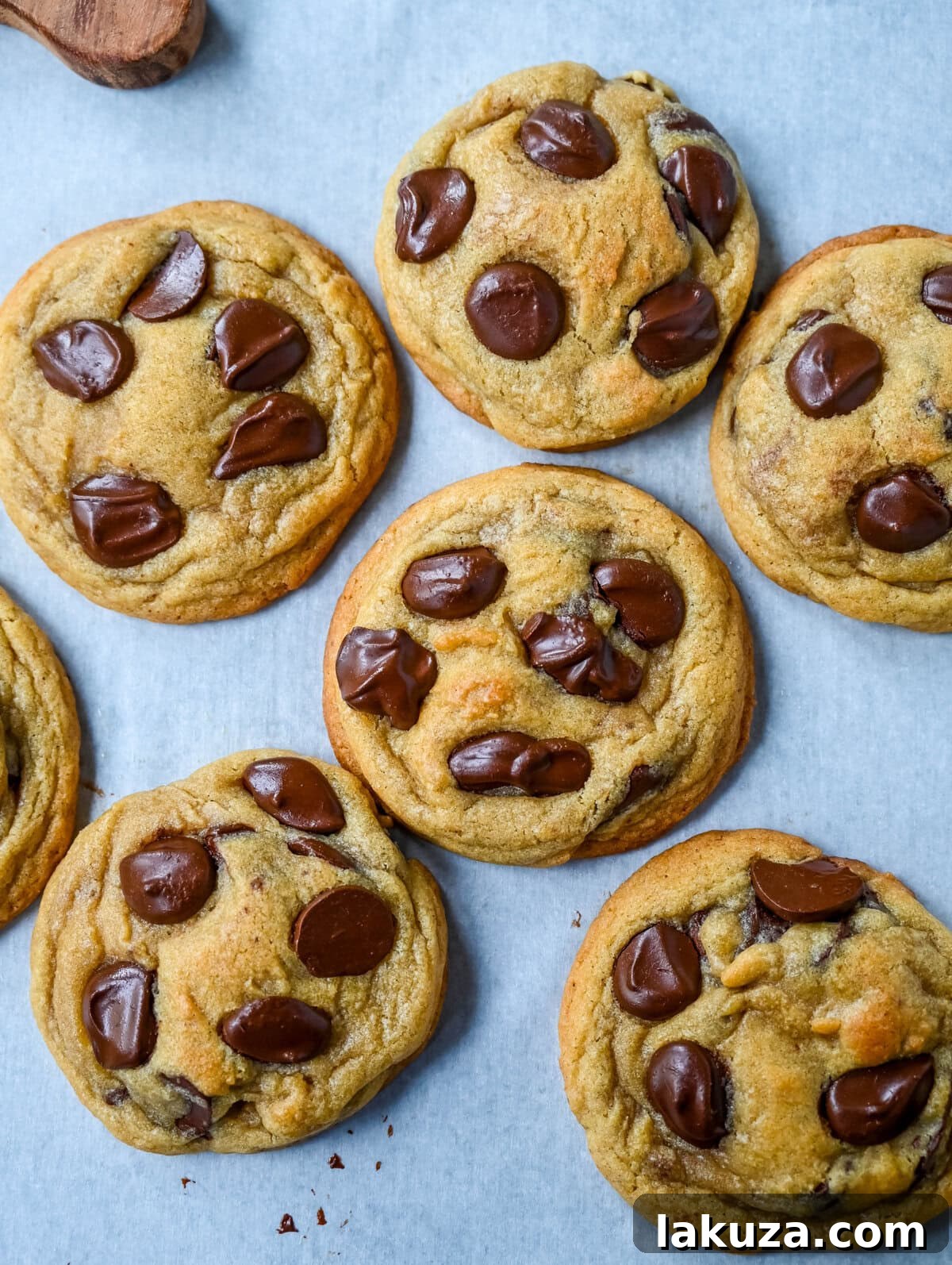
Looking at the images, which cookie captivates your eye more? If you had to pick just one, which would you reach for? It’s undeniable that both versions offer a delightful treat!
My Personal Ingredient Philosophy for Chocolate Chip Cookies
When it comes to my own baking, I’ve developed a strategic approach: I believe in splurging only on ingredients that genuinely act as “difference makers,” with high-quality chocolate being at the top of that list. My usual selections also prioritize ingredients that are widely accessible to the majority of my readers, balancing quality with practicality.
Butter: Over the years, I’ve experimented with an extensive array of butters, including Costco Kirkland Signature, Land O Lakes, Challenge, Trader Joe’s, Kerrygold, Grassfed Butter, Kroger butter, and many more! Given the sheer volume of butter I use, I typically stock up on Costco’s Kirkland brand. However, you’ll often find Land O Lakes in my refrigerator as well. For specific applications like shortbread or rich butter cookies, I do make an exception and reach for Kerrygold due to its superior fat content and flavor.
Sugar: For granulated and brown sugars, I consistently choose reliable brands like C&H Sugar, Imperial, or the large bags available from Costco or Sam’s Club, ensuring consistent quality and value.
Eggs: As eggs are a staple in my kitchen, I purchase them in bulk, usually 5-dozen containers, from Costco to ensure I always have a fresh supply.
Vanilla Extract & Paste: My choice of vanilla depends on the recipe’s needs. For most cookies, I prefer a quality vanilla extract, often opting for a Mexican vanilla or Nielsen-Massey vanilla extract for its depth of flavor. However, for applications where vanilla is meant to shine as a primary flavor and visual element—such as frostings, custards, pastry cream, panna cotta, or crème brûlée—I exclusively use vanilla bean paste to achieve the most intense vanilla bean flavor and the delightful visual speckles.
Flour: My preferred all-purpose flours are King Arthur Flour or the Kirkland All-Purpose Flour from Costco. Both deliver consistent results and excellent quality for a wide range of baking needs.
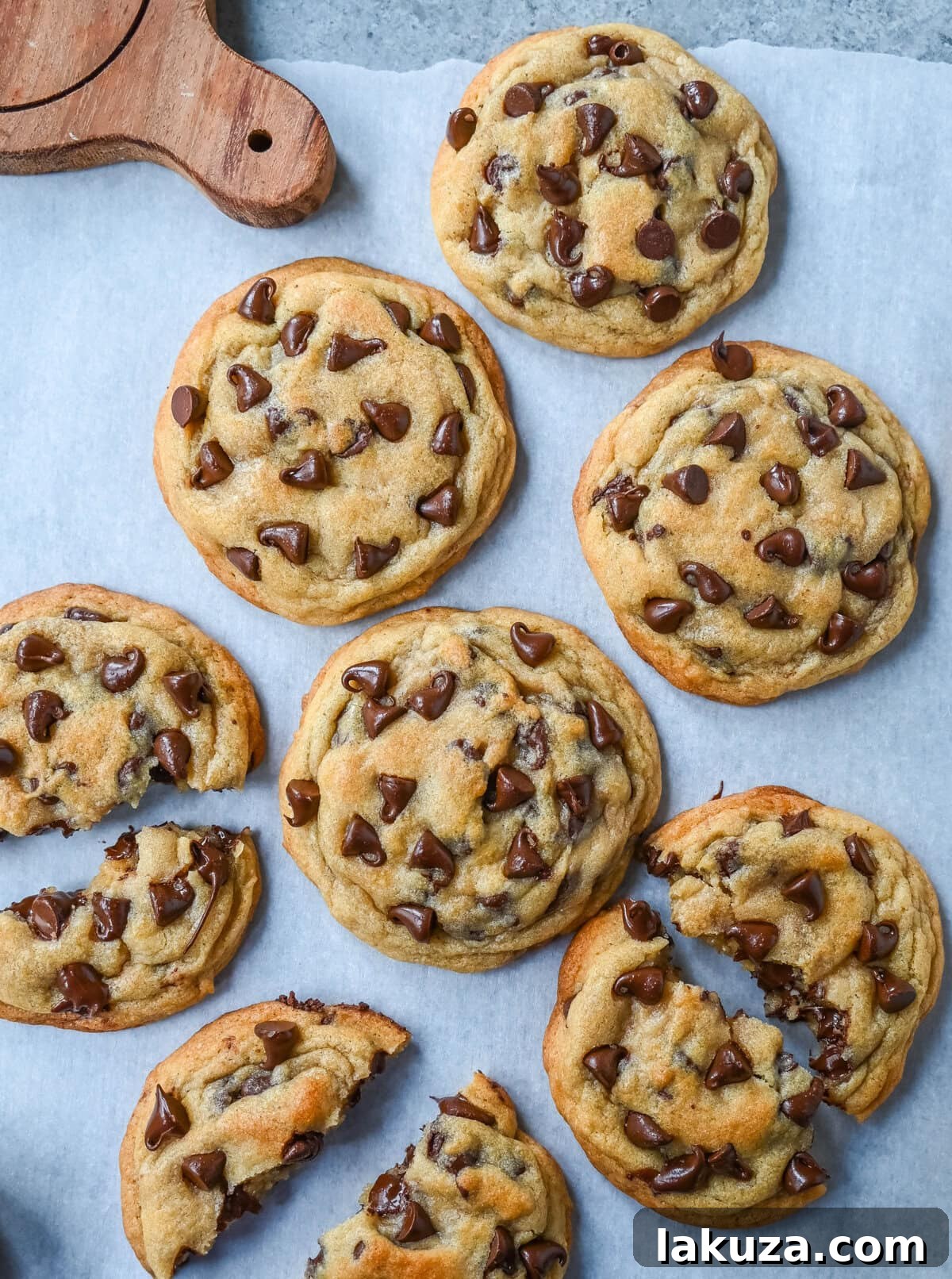
Chocolate Chips: This is where I truly indulge! I have made it my mission to try every brand and type of chocolate chip or chocolate that I can find. My selection of chocolate depends entirely on the specific type of cookie I’m baking and the desired chocolate experience. For instance, if I aim for large, melted chunks of chocolate in my Brown Butter Chocolate Chip Cookies, I chop up Trader Joe’s Belgium Pound Plus bars or use high-quality chocolate disks from Orson Gygi, a fantastic baking supply store in Salt Lake City, Utah. From Orson Gygi, I specifically seek out Ghirardelli Stanford Wafers and Guittard Dark French Vanilla and Guittard Milk Old Dutch Wafers—I often bring an extra suitcase just to stock up on these!
For classic chocolate chip cookies where traditional chips are preferred, I consistently reach for Guittard or Ghirardelli chocolate chips due to their superior taste, consistent melt, and overall quality. They truly elevate the cookie experience.
My Essential Cookie Baking Tools
I am genuinely passionate about my baking tools, as I firmly believe they play a pivotal role in achieving exceptional results. Often, when someone shares their struggles with burnt cookies, my first inquiries are always: “What type of cookie sheets are you using?” and “How long are you baking the cookies for?” Choosing the right baking sheet, in particular, is one of the most impactful decisions you can make in cookie baking.
I wholeheartedly recommend using light-colored baking sheets for all your cookie recipes. These sheets prevent the bottoms of your cookies from browning too quickly or burning, ensuring an even bake throughout. You can often find fantastic deals on two-packs at Costco, and they are also readily available on Amazon. Here are two of my personal favorites:
Nordicware Light Colored Baking Sheets (2-pack)
USA Light Colored Baking Sheet
Parchment Paper Sheets are another non-negotiable item in my kitchen. They ensure non-stick baking, easy cleanup, and help regulate cookie spread.
My KitchenAid Mixer is truly one of my most cherished and frequently used kitchen appliances. It’s an indispensable workhorse that makes dough preparation a breeze:
KitchenAid 4.5-qt Mixer (ideal for most home bakers)
KitchenAid 7-qt Mixer (perfect for larger batches or serious bakers)
To further streamline your baking process and achieve consistent results, here are a few more indispensable tools:
Large Cookie Scoop (for perfectly uniform cookies every time)
Measuring Cups and Spoons (accuracy is key in baking)
Cookie Spatula (a thin, flexible spatula is essential for lifting delicate cookies)
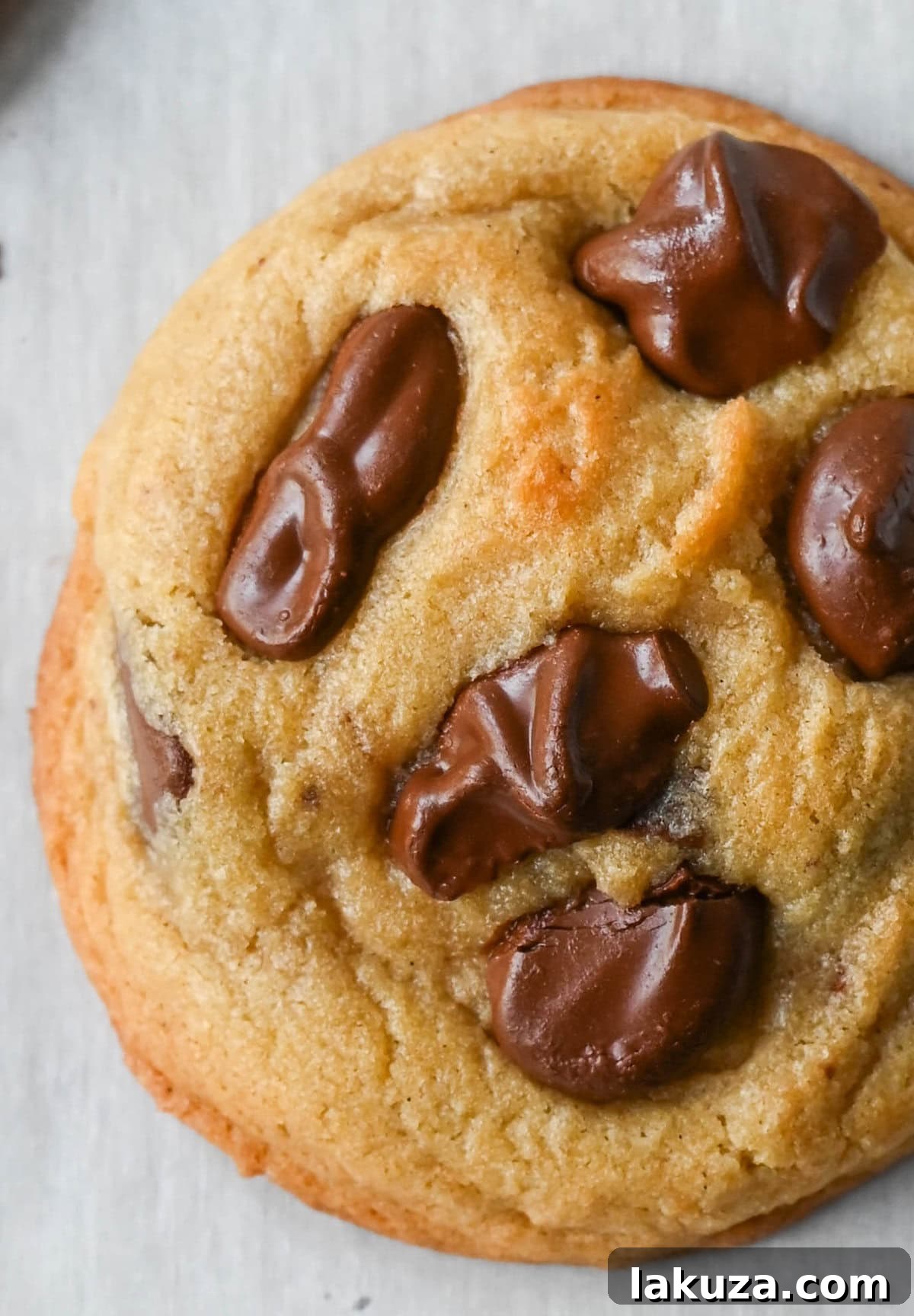
I sincerely hope you found this detailed cookie analysis both informative and inspiring! What were your key takeaways? Which cookie do you envision yourself preferring? The wonderful truth is that you can’t go wrong with either choice; both paths lead to deliciousness!
It’s an important reminder that when you’re baking a recipe found online and your final product doesn’t quite match the enticing photos, the discrepancy might not lie in your technique alone. The quality of ingredients you choose, the type of baking sheet you employ, and even subtle variations in baking time can all significantly influence the ultimate outcome. Experiment, observe, and enjoy the delicious journey of baking!
Explore More 5-Star Cookie Recipes:
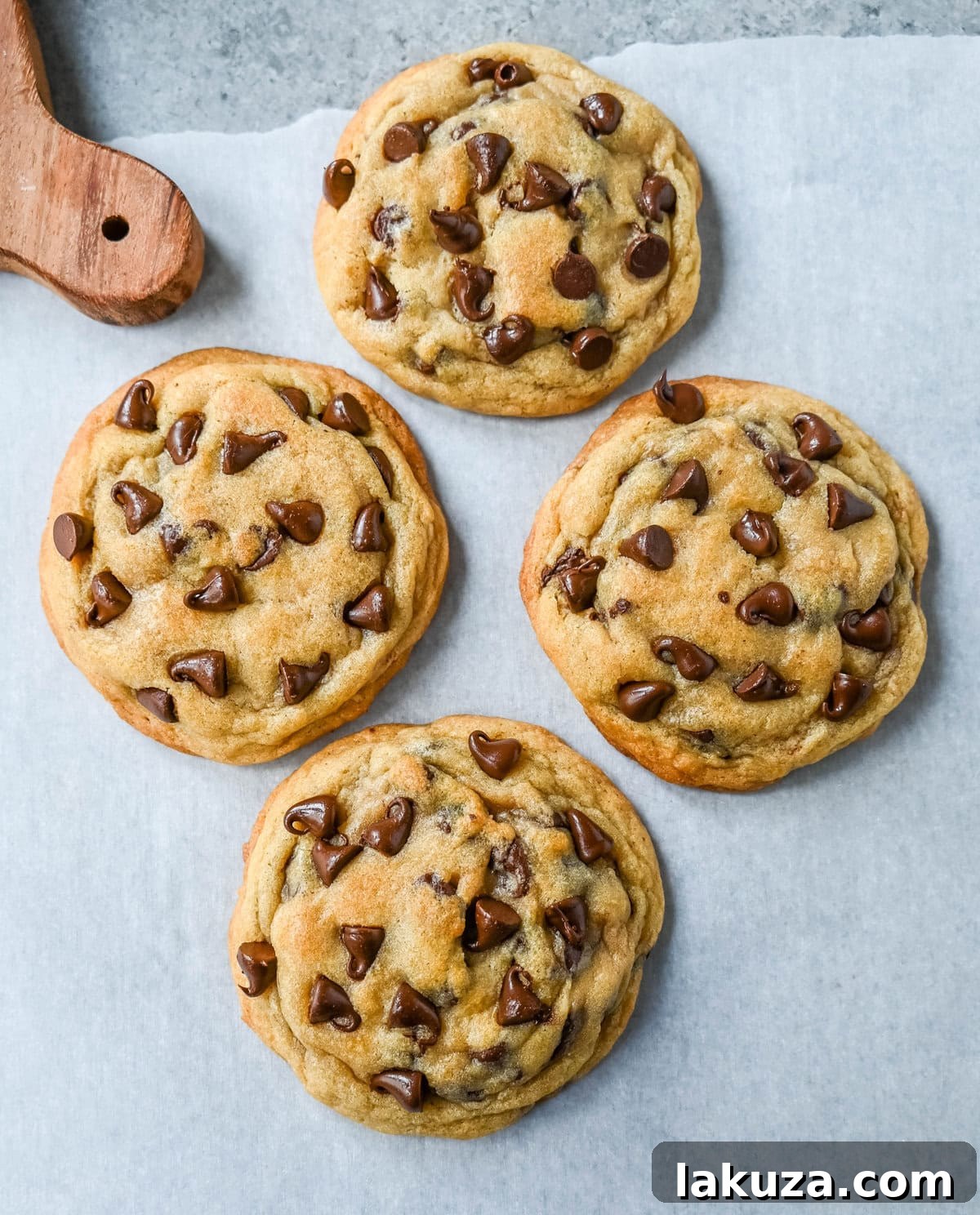
Ready to try more incredible chocolate chip cookie variations? Here are some highly-rated recipes to inspire your next baking adventure:
Levain Bakery Chocolate Chip Crush Cookies
The Best Chocolate Chip Cookies
Best Brown Butter Chocolate Chip Cookies
Browned Butter Toffee Chocolate Chip Cookies
Generic vs Brand Ingredients in Chocolate Chip Cookies
Ingredients
Best Chocolate Chip Cookie Recipe
- Follow my chocolate chip cookie recipe and refer to the blog post for ingredient insights.
Instructions
-
Follow the step-by-step instructions provided in my dedicated Chocolate Chip Cookies post.
Notes
This study was inspired by Handle the Heat’s insightful analysis on the impact of ingredients in baking. Many thanks to Tessa for her inspiration!
Nutrition information is automatically calculated, so should only be used as an approximation.