
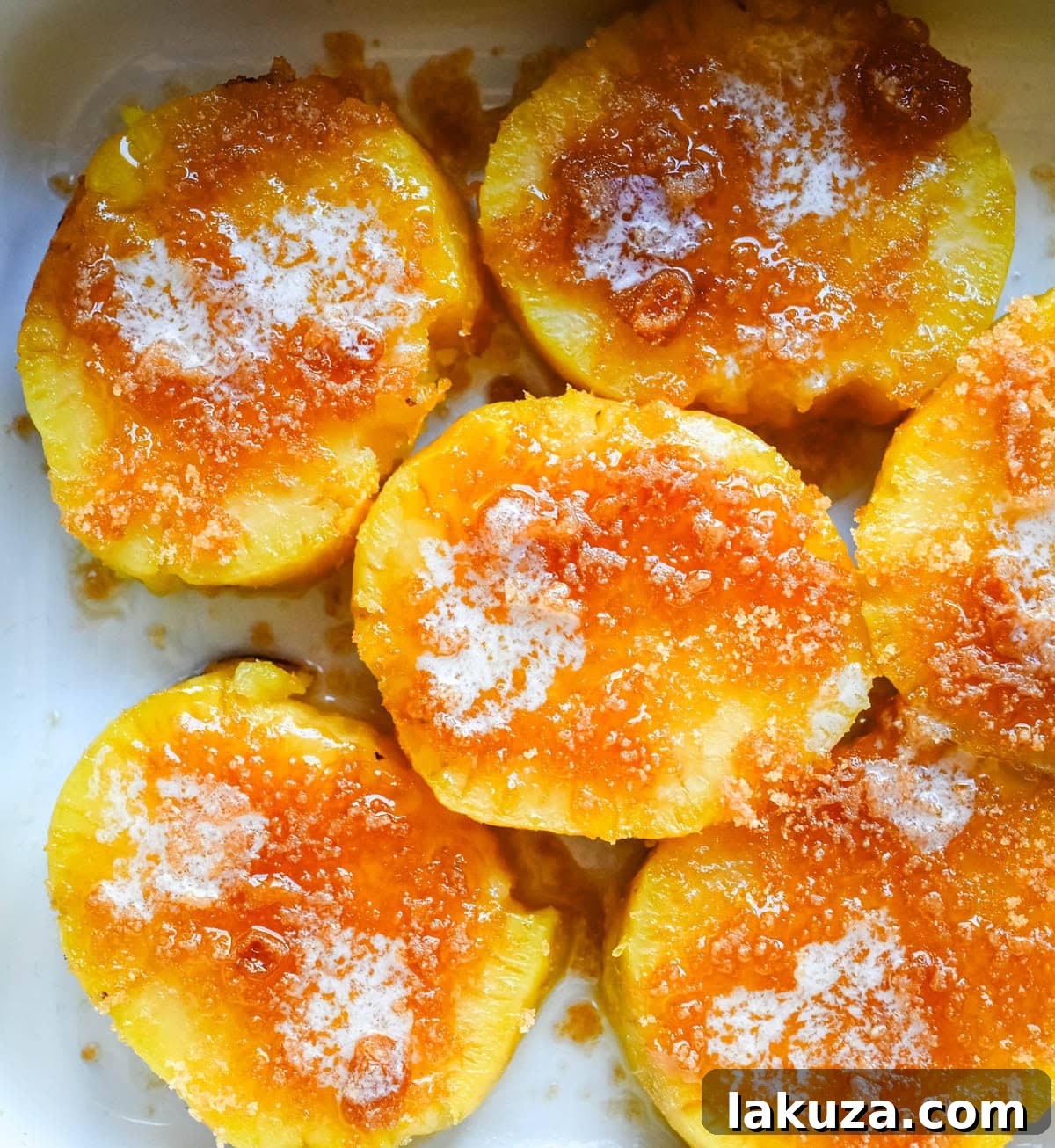
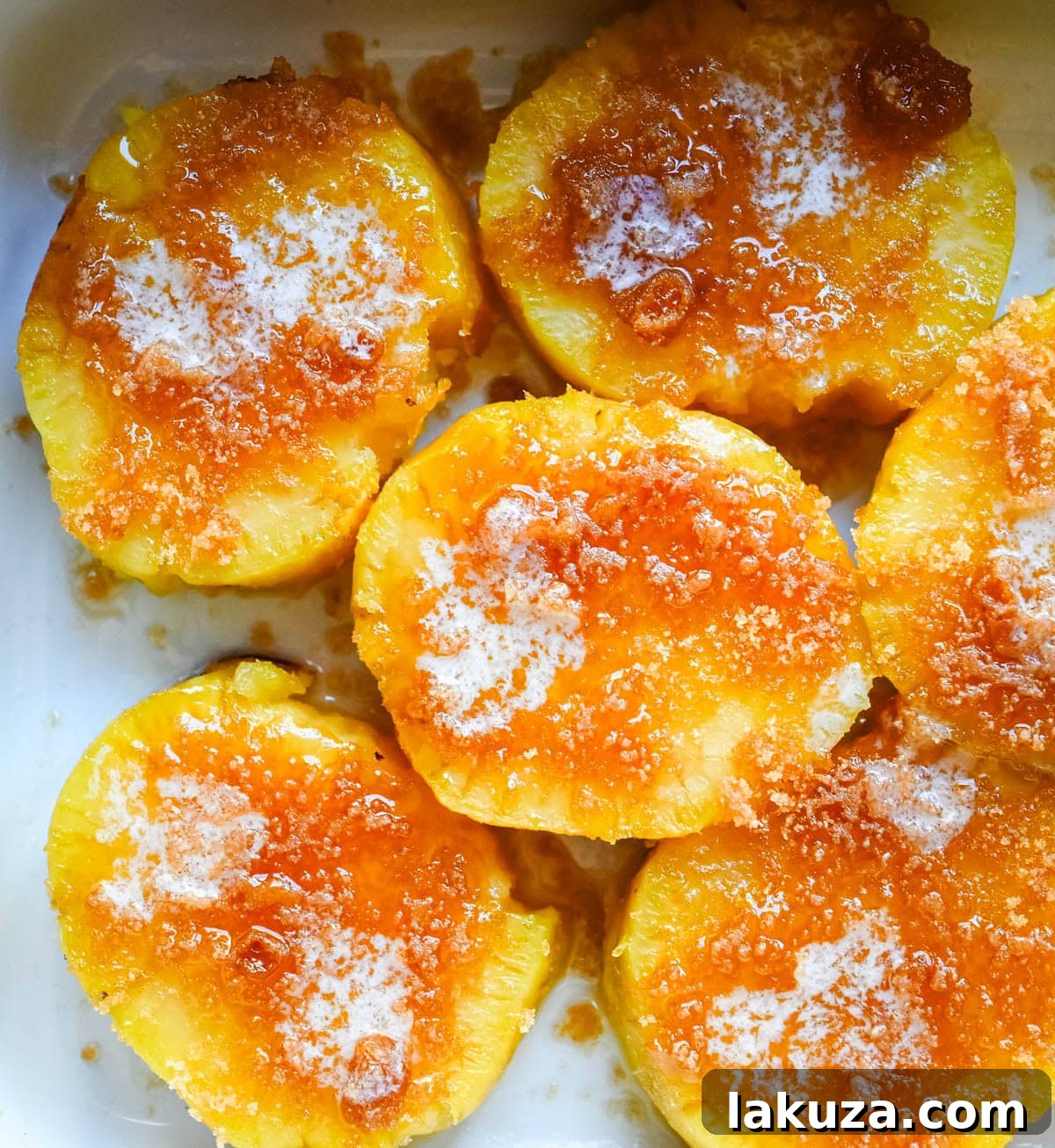
Brown Sugar Caramelized Japanese Sweet Potatoes: The Ultimate Guide to Perfectly Roasted Satsumaimo
Unlock the secret to the sweetest, most tender roasted Japanese sweet potatoes, caramelized to perfection with butter and brown sugar. Discover how slow-roasting satsumaimo transforms this humble root vegetable into a dessert-like indulgence that’s rich in flavor and wonderfully creamy.
My journey into the exquisite world of Japanese sweet potatoes began during a memorable trip to Japan last September. From the moment I arrived, I was captivated by every aspect of the country – the impeccable cleanliness, the remarkable safety, the rich culture, and, perhaps most notably, the incredible food. Exploring the diverse culinary landscape of Japan was an unforgettable experience, ranking as one of my favorite food adventures to date. I tasted so many unique dishes, each telling a story of tradition and flavor. It left me eagerly anticipating my next visit!
Whenever I travel, one of my greatest joys is immersing myself in the local culture through its food. Culinary classes are always a highlight, offering a hands-on way to learn authentic techniques and understand the soul of a cuisine. It was in Japan that I truly discovered the magic of Japanese sweet potatoes, known locally as satsumaimo. These exceptional sweet potatoes are a beloved staple, famously roasted and sold as a popular street food called yaki-imo. The aroma of freshly roasted satsumaimo wafting through the cool autumn air is an iconic scent of Japanese streets, a warm invitation to a truly special treat.
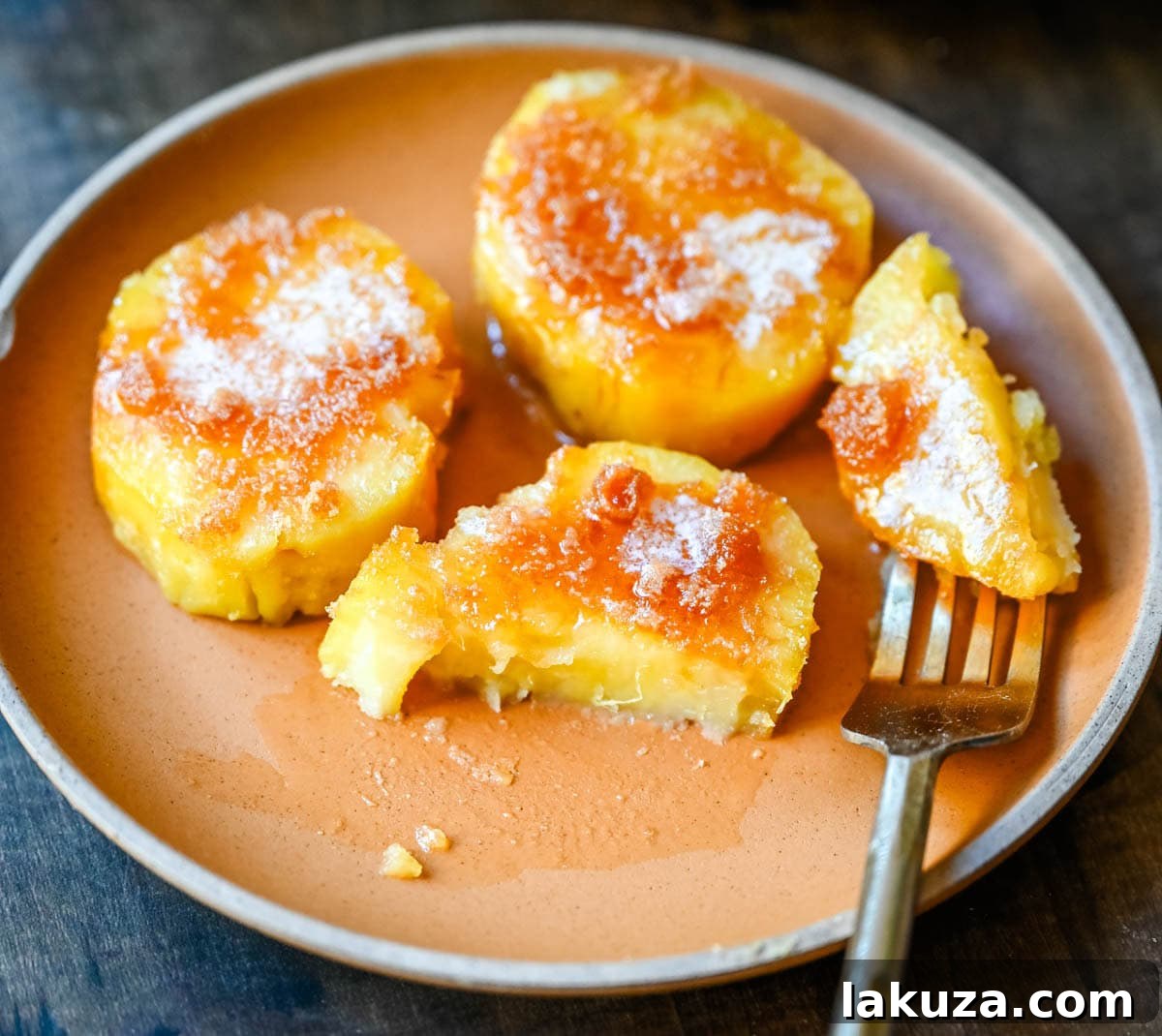
What makes satsumaimo so utterly captivating? Their flavor profile is uniquely complex, offering delightful notes reminiscent of roasted chestnuts and rich caramel, all enveloped in a distinct “honeyed” sweetness. But it’s not just the taste; the texture is equally remarkable. When roasted slowly and patiently, the interior transforms into an almost custard-like, cakey consistency – thick, velvety, and incredibly smooth. This transformation is key to their popularity. What begins as a mildly starchy root vegetable undergoes a profound change during the roasting process, intensifying into an intensely sweet, almost dessert-like experience without the need for any added sweeteners until the final caramelization stage.
Unlike some orange-fleshed sweet potatoes that can become overly moist or even watery when cooked, Japanese sweet potatoes maintain a dense, cohesive structure. This firm yet tender quality makes them ideal for slicing, caramelizing, or simply enjoying warm with a dollop of butter and a pinch of salt. For an extra layer of indulgence, I love to enhance their natural sweetness with a touch of brown sugar and butter, creating a truly irresistible dish. Their ability to transition from a humble starch to a candy-sweet delicacy with the right cooking method, coupled with their dense and smooth texture, is why they are so highly sought after.
Understanding Japanese Sweet Potatoes (Satsumaimo)
Japanese sweet potatoes, widely known as satsumaimo, are easily identified by their striking dark purple-red skin and pale, almost cream-colored yellow flesh. You might also find them labeled as Murasaki sweet potatoes or even Japanese yams in some markets. When compared to the more common orange-fleshed sweet potatoes, satsumaimo are firmer and possess a higher starch content. Their uncooked flavor is subtly sweet with a delicate nutty undertone, which deepens and intensifies wonderfully as they roast. Upon cooking, the inside becomes remarkably soft and creamy, yet it retains its structural integrity, making it perfectly suited for roasting, slicing, and caramelizing.
How Japanese Sweet Potatoes Differ from Regular Sweet Potatoes
In many Western countries, particularly the United States, the term “sweet potato” typically refers to the orange-fleshed varieties such as Beauregard or Garnet. These varieties are characterized by their softer, more moist texture once cooked, often achieving a silky or almost custard-like consistency. They tend to be sweeter right out of the ground and break down more easily when cooked, making them excellent for mashing or pureeing.
Japanese sweet potatoes, however, present a noticeably different profile. Their texture is denser and more solid, primarily due to a higher starch content. This gives them a drier, more substantial “bite” compared to their orange counterparts. Instead of yielding a soft and fluffy interior immediately, Japanese sweet potatoes offer a slightly firm, almost chestnut-like quality. This initial firmness is precisely what allows them to develop that incredible velvety tenderness when roasted patiently over a longer period. This distinction in texture and starch content is not merely cosmetic; it profoundly influences how they cook, taste, and the culinary applications they excel in.
What Do Japanese Sweet Potatoes Taste Like? A Deep Dive into Flavor
The true magic of Japanese sweet potatoes unfolds during slow roasting. This method allows their natural sugars to caramelize slowly, developing a profound, complex sweetness that far surpasses that of typical sweet potatoes. Their flavor profile is rich and nuanced, featuring subtle nutty undertones that are beautifully complemented by warm, inviting caramel-like notes. These flavors intensify dramatically as the potatoes bake in the oven, creating a truly sensory experience.
Beyond the taste, the texture is equally captivating. The interior of a perfectly roasted satsumaimo becomes incredibly smooth and creamy, yet it retains enough body to hold its shape. This creates a satisfyingly hearty texture that is neither soft nor watery, striking an ideal balance between fluffiness and density. Each bite offers a harmonious blend of rich flavor and luxurious texture, making it a delight for the palate.
The scientific reason behind this enhanced sweetness lies in the enzymatic activity during the slow cooking process. As Japanese sweet potatoes are heated slowly, their starches are gradually converted into maltose, a natural sugar that contributes to their characteristic “honeyed” taste. This enzymatic conversion is more pronounced and effective at lower temperatures, which is why the “low and slow” roasting method is crucial for achieving that signature yaki-imo sweetness.
Essential Ingredients for Roasted Japanese Sweet Potatoes
Crafting these delectable brown sugar caramelized Japanese sweet potatoes requires just a few simple, high-quality ingredients that work in harmony to enhance their natural goodness:
- Japanese Sweet Potatoes: These are the star of our dish, bringing their inherent sweetness and creamy texture. Their unique starch profile is ideal for achieving that coveted caramelized finish. While Japanese sweet potatoes are highly recommended for the best results, you can use orange-fleshed sweet potatoes in a pinch, though the flavor and texture will differ slightly.
- Butter: Unsalted butter adds a luxurious richness and a silky mouthfeel. More importantly, it helps the brown sugar melt down and form that gorgeous, glistening glaze that coats each slice.
- Brown Sugar (or Granulated Sugar): Brown sugar is preferred for its deep, molasses-like notes that perfectly complement the earthy sweetness of the potatoes. It creates a classic caramelized crust and elevates the overall sweetness to a dessert-like level. Granulated sugar can be used as a substitute if brown sugar is unavailable.
- Salt: A small pinch of salt is crucial. It doesn’t make the dish salty, but rather acts as a flavor enhancer, balancing the sweetness and deepening the complex notes of the sweet potato and caramel.
- Cinnamon (Optional): For an extra layer of warmth and spice, a dash of ground cinnamon can be added during the caramelization step. It beautifully complements the sweet and nutty flavors.
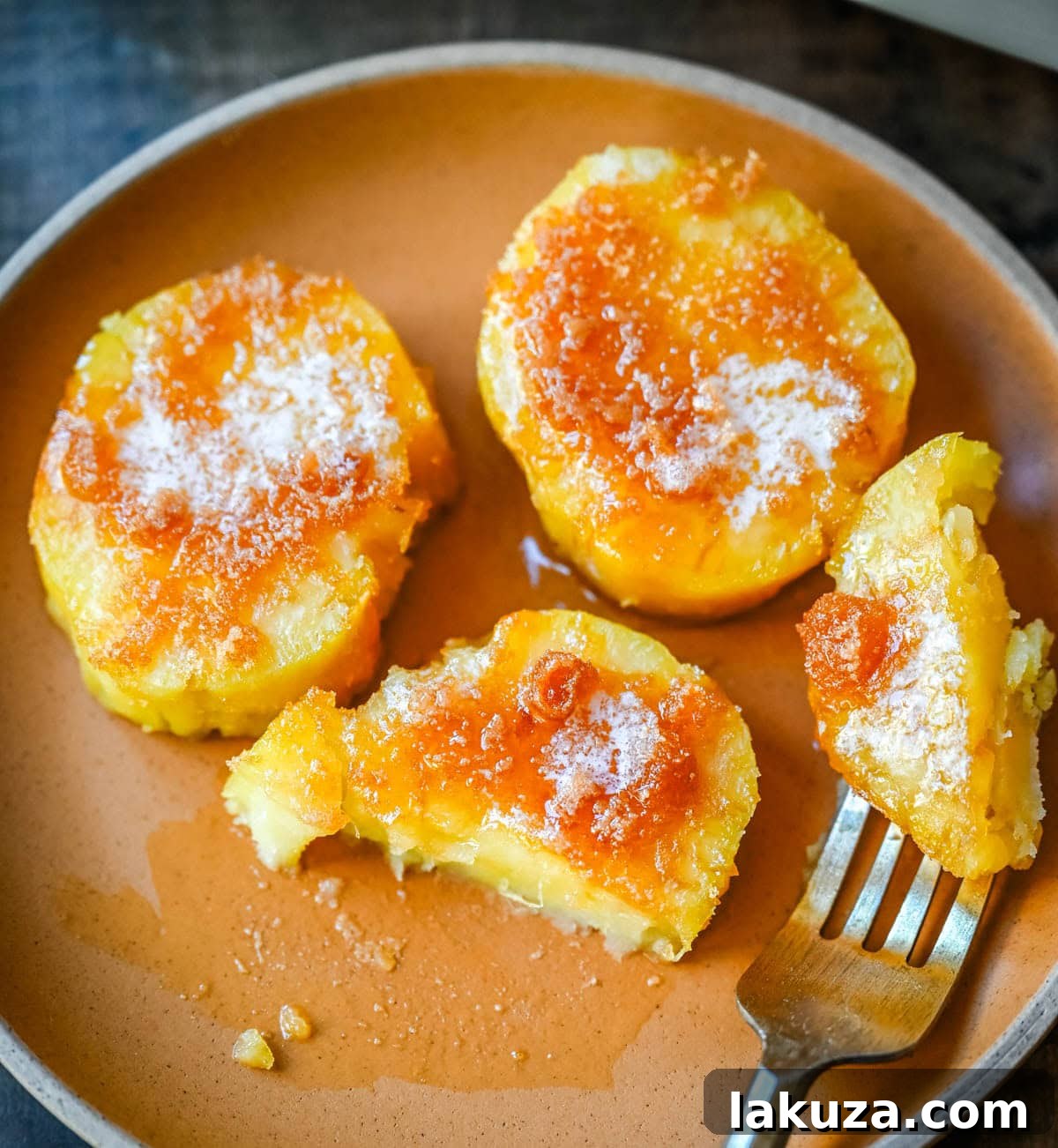
Mastering the Roast: How to Make Brown Sugar Caramelized Japanese Sweet Potatoes
Achieving the perfect roasted Japanese sweet potato is an art, and the roasting temperature plays a pivotal role in the final texture and sweetness. After extensive testing at various temperatures, I’ve identified two primary approaches, each yielding slightly different but equally delightful results, depending on your preference.
Method 1: Low and Slow for Yaki-imo Style Sweetness
This method is specifically designed to maximize the natural sweetness and achieve the coveted “yaki-imo” texture – intensely sweet with a creamy, almost cake-like interior.
- Temperature and Time: Roast at 325°F (160°C) for 70–90 minutes.
- Why it Works: The lower temperature allows the enzymes within the sweet potato to work effectively, converting starches into sugars over a longer period. This slow conversion process is what creates the deep, honeyed sweetness and the incredibly tender, almost custard-like consistency that is the hallmark of authentic Japanese roasted sweet potatoes. This is the ideal method if you’re aiming for that iconic street-food experience.
Method 2: Hotter Roast for Faster Caramelization
This method is for when you want to speed up the cooking process slightly while still achieving delicious results, often with a more pronounced caramelized skin.
- Temperature and Time: Roast at 375°F (190°C) for 50–65 minutes.
- Why it Works: The slightly higher temperature accelerates the cooking, leading to quicker caramelization on the exterior of the potato. While it still develops sweetness, it might not reach the same depth of “honeyed” flavor as the low-and-slow method. This is a great option for a weeknight side dish when time is of the essence.
My Best Overall Recommendation:
If your goal is to recreate that iconic Japanese street-style sweetness and achieve the most tender, creamy interior, I highly recommend leading with the low and slow method: 325°F (160°C) for 75–90 minutes. This longer, gentler roast truly brings out the best in Japanese sweet potatoes.
The Candied Finish: Caramelizing with Butter and Brown Sugar
Once your sweet potatoes are perfectly roasted, the next step is to add that irresistible candied finish. This step elevates the dish, creating a glistening, sweet coating that complements the natural flavors. Japanese sweet potatoes are inherently chestnut-sweet, making them an ideal canvas for this caramelization:
- Roast Until Tender: Begin by roasting your whole Japanese sweet potatoes using the low-and-slow method until they are incredibly tender throughout. A knife should slide in with no resistance.
- Rest and Slice: After roasting, allow the potatoes to rest for 10–15 minutes. This crucial resting period allows the internal structure to set further, resulting in an even creamier interior. Once rested, carefully slice the potatoes into thick rounds or split them lengthwise. Handle gently, as they will be very soft.
- Brush and Season: Arrange the sliced potatoes in a baking dish. Brush each piece generously with melted butter. Then, sprinkle brown sugar evenly over the top, along with a small pinch of salt. This combination will create a rich, glossy caramel.
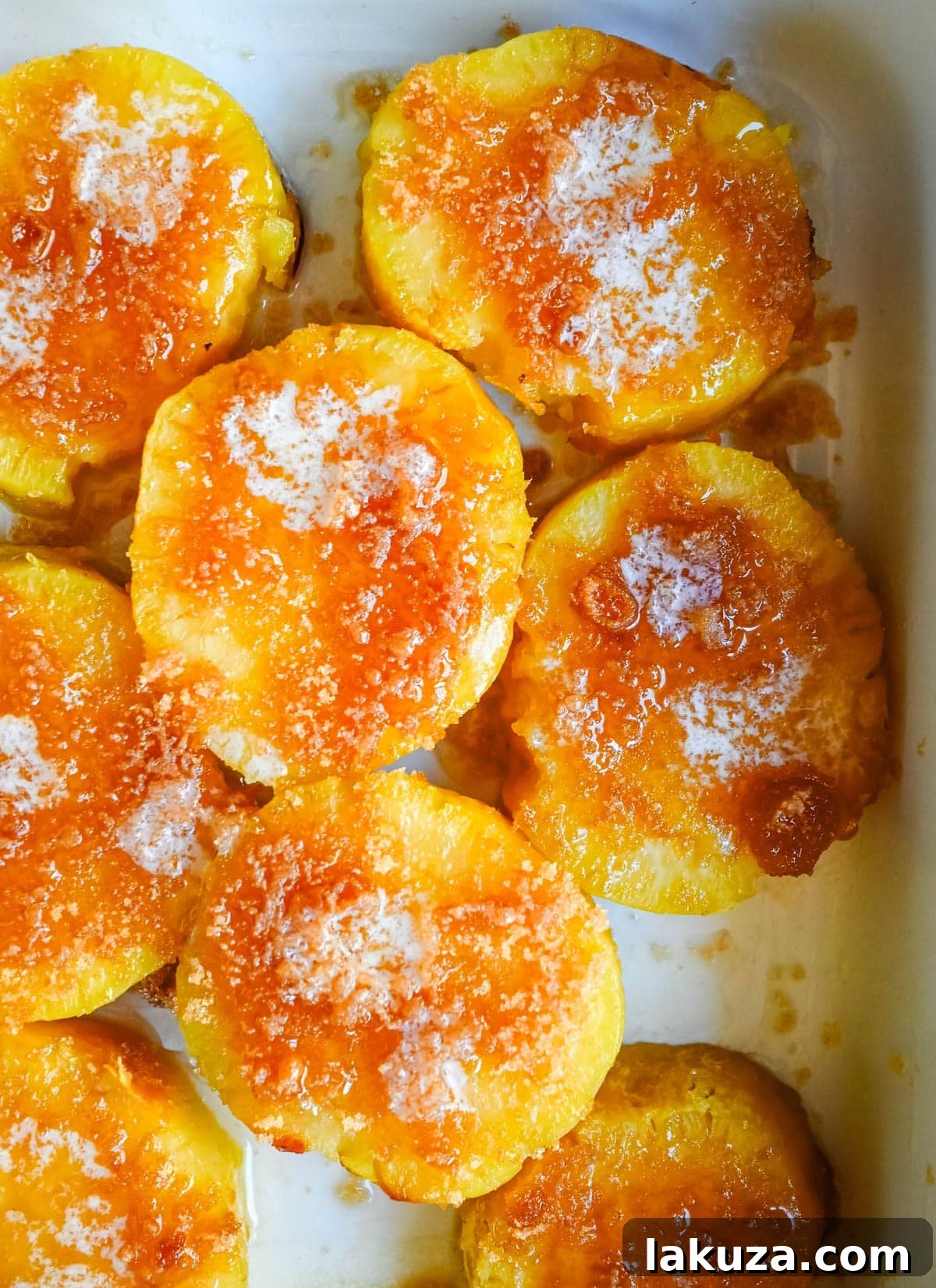
- High-Heat Caramelization: Return the baking dish to a preheated oven at 425°F (220°C) for 8–12 minutes, or until the butter is melted, the sugar is bubbling, and the edges of the sweet potatoes begin to caramelize into a beautiful golden-brown. For an extra crisp and intense toffee-like note, you can briefly broil for 1–3 minutes, keeping a very close eye on them to prevent burning.
The sweet potato is already cooked and naturally sweet at this stage; the high-heat finish simply triggers rapid surface caramelization, creating those delightful “toffee” notes and a irresistible sticky glaze.
Do You Need to Wrap Them in Foil?
The choice to wrap Japanese sweet potatoes in foil during roasting can significantly impact their final texture. Some traditional yaki-imo methods utilize foil for the initial slow bake, then unwrap the potatoes for a short final roast to deepen the skin’s flavor and slightly dry out the exterior.
No foil = drier skin, more robust “roasted” flavor, slightly firmer texture.
Foil = softer skin, more steamed interior, very creamy texture.
For this brown sugar caramelized recipe, starting with foil can ensure a super creamy interior, which is ideal for slicing and caramelizing. If you prefer a slightly crispier edge to your initial roasted potato, you can omit the foil, but be aware it might result in a slightly less custardy interior before the final caramelization.
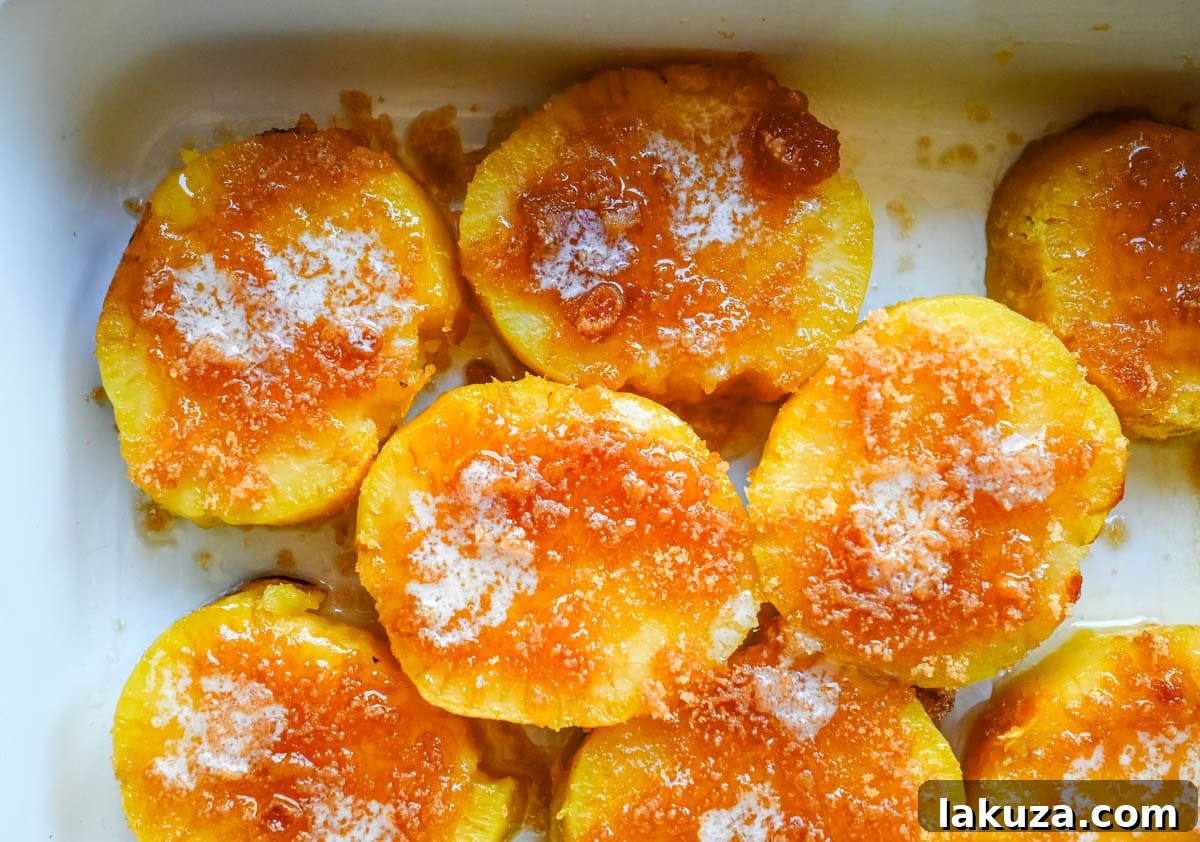
The Impact of Chilling Roasted Sweet Potatoes After Baking
While often enjoyed warm, there are significant benefits to allowing roasted Japanese sweet potatoes to chill after baking, especially if you plan to use them in other recipes or simply wish to enhance their qualities:
- Firming: The starches within sweet potatoes continue to set and firm up as they cool. This makes them much easier to handle, peel, and slice without breaking apart, which is particularly useful for delicate caramelized rounds.
- Sweetness Development: Paradoxically, cooling allows the flavors to mellow and the natural sugars to further develop and integrate. Many find that the taste of roasted sweet potatoes becomes even richer and more harmonious after a brief cool-down period.
- Improved Texture for Recipes: Chilled roasted sweet potatoes maintain their shape much better than warm ones. This makes them perfect for incorporating into salads, adding to Buddha bowls, or using as a base for other dishes where structural integrity is desired.
Expert Tips for Success!
When working with roasted Japanese sweet potatoes for this recipe, always allow them to cool slightly before attempting to peel or slice them. This prevents them from breaking apart due to their delicate, soft interior. A short rest ensures they firm up just enough for easy handling.
To simplify cleanup and prevent any sticking, especially during the high-heat caramelization step, line your baking sheets or dishes with parchment paper. This ensures your perfectly candied potatoes lift off easily!
Frequently Asked Questions (FAQ’s) about Roasted Japanese Sweet Potatoes:
- Can I use regular orange-fleshed sweet potatoes instead of Japanese sweet potatoes for this recipe?
Yes, you can, but be aware that the results will differ. Japanese sweet potatoes are naturally sweeter and firmer when raw, which contributes to a more stable and easier caramelization. Orange sweet potatoes will become softer and more moist, so they might not hold their shape as well, and their flavor profile will be different, lacking the distinct chestnut and caramel notes of satsumaimo. - Can I make these caramelized sweet potatoes ahead of time?
You can certainly roast and peel the Japanese sweet potatoes in advance. Store the plain roasted potatoes in an airtight container in the refrigerator for up to 3 days. Then, right before serving, proceed with the butter and brown sugar caramelization step to ensure they are warm, fresh, and perfectly glazed. - Can I use granulated sugar instead of brown sugar?
Absolutely, granulated sugar will work to achieve caramelization. However, brown sugar is highly recommended as it imparts a deeper, richer flavor with lovely molasses undertones that beautifully complement the sweet potatoes. Granulated sugar will result in a crisper, simpler caramel. - How do I store leftovers and reheat them?
Store any leftover caramelized sweet potatoes in an airtight container in the refrigerator for up to 3 days. To reheat, gently warm them in an oven at 350°F (175°C) until heated through. For a quicker option, an air fryer at 350°F (175°C) for 3-5 minutes also works wonderfully; just be sure to check them halfway to prevent burning. - How do I know when the sweet potatoes are fully roasted and tender?
A perfectly roasted Japanese sweet potato will feel very soft when gently squeezed with an oven mitt (be careful!). The most reliable test is to insert a sharp knife or skewer into the thickest part of the potato; it should slide in with absolutely no resistance. If there’s any firmness, continue roasting. - What is the benefit of roasting them ahead of time and cooling them?
Beyond convenience, roasting and then cooling sweet potatoes can subtly enhance their texture and even their nutritional profile by increasing resistant starch content. As starches set upon cooling, the potatoes become firmer and easier to handle for slicing, making them ideal for the caramelization step. This process can also deepen flavor development.
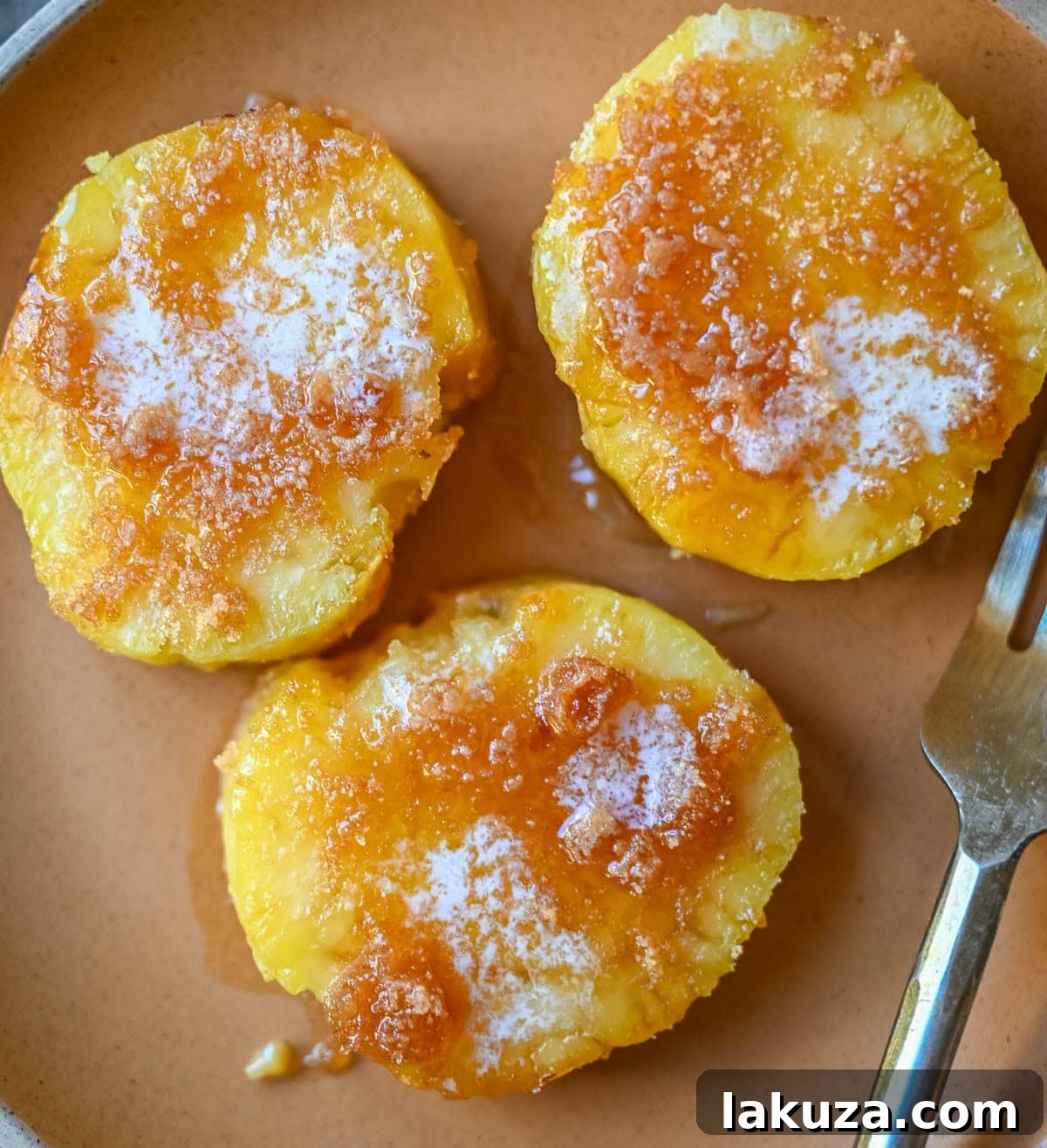
Where to Find Japanese Sweet Potatoes: Your Guide to Local Markets
Japanese sweet potatoes, or satsumaimo, are becoming increasingly popular and are now more widely available than ever before. Here’s where you can typically find them to make this delicious recipe:
- Major Grocery Chains: Many larger grocery store chains in the U.S. now carry Japanese sweet potatoes. Look for them at stores like Kroger (and its affiliates such as Fry’s), Safeway, Sprouts, Whole Foods, and sometimes even Trader Joe’s during the fall and winter months. They will typically be located near the other sweet potato varieties and are easily identifiable by their distinctive dark purple or reddish-brown skin.
- Asian Grocery Stores (H-Mart, 99 Ranch, etc.): These are often your best bet for finding satsumaimo year-round. Asian markets frequently stock a wider variety of specialty produce, and you’ll often find them explicitly labeled as Satsumaimo.
- Local Farmers’ Markets: During peak harvest seasons, especially in the fall, many local farmers’ markets will feature Japanese sweet potatoes from local growers. This is a great way to find fresh, high-quality produce and support local agriculture.
- Specialty Produce Stores: Independent or gourmet produce shops are also excellent sources for harder-to-find ingredients like Japanese sweet potatoes. Don’t hesitate to ask store staff if you can’t locate them.
When selecting your sweet potatoes, look for firm, smooth-skinned potatoes without any soft spots, blemishes, or sprouts. Store them in a cool, dark, and dry place, away from direct sunlight, for optimal freshness.
More Delicious Vegetable Recipes:
Sweet Potatoes and Apples
Roasted Sweet Potatoes with Pecans and Cranberries
Oven Roasted Potatoes
Crispy Smashed Potatoes
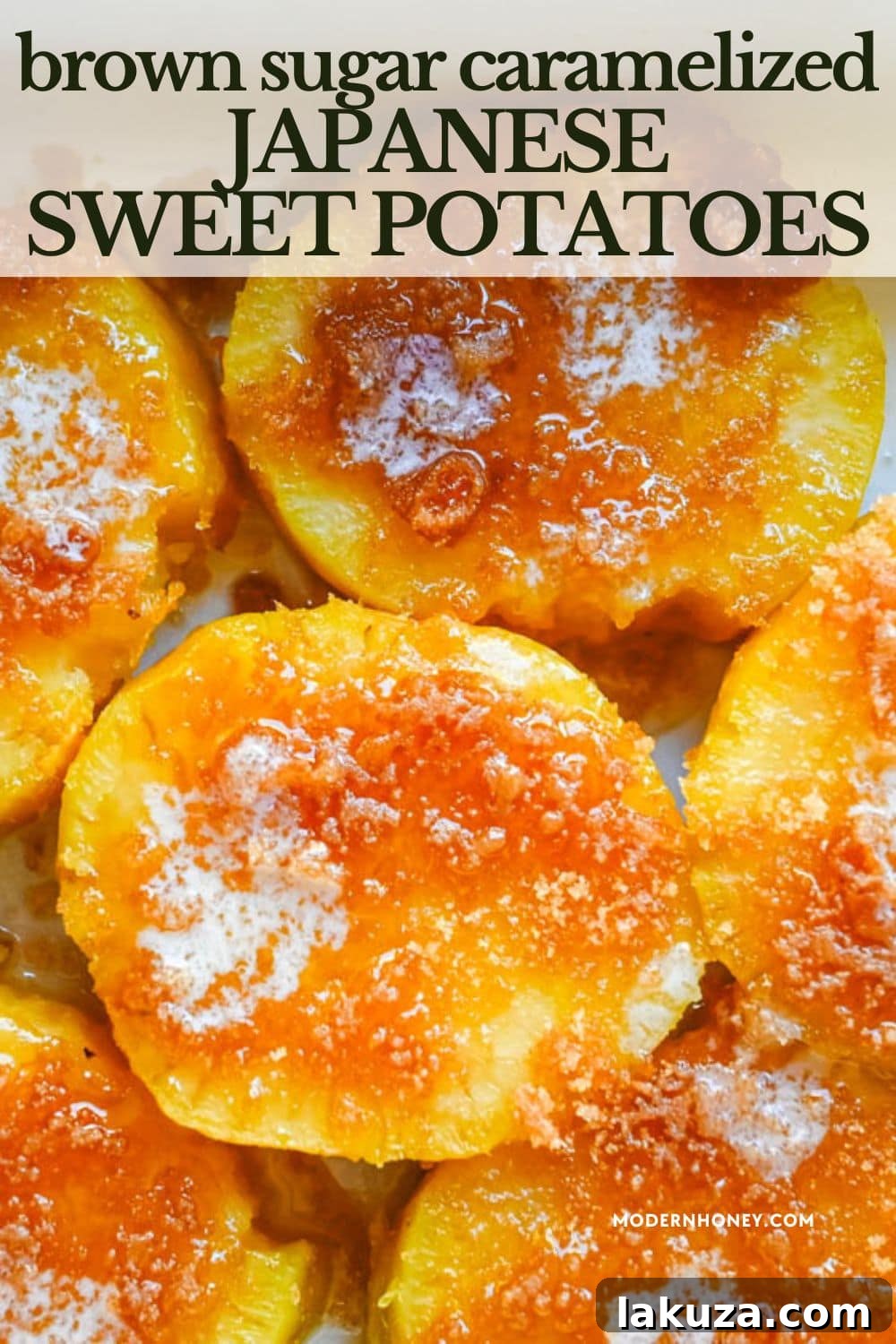
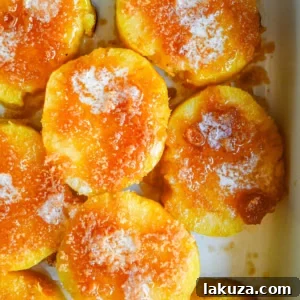
Brown Sugar Caramelized Japanese Sweet Potatoes
Modern Honey® – www.modernhoney.com
10 minutes
1 hour 20 minutes
4
Ingredients
- 3 to 4 Japanese Sweet Potatoes (aka Murasaki or Satsumaimo)
- 3 to 4 Tablespoons Butter
- 3 to 4 Tablespoons Brown Sugar (or granulated sugar)
- pinch Salt
- Cinnamon (optional)
Instructions
-
Preheat oven to 325°F (160°C). Scrub sweet potato skins clean. Wrap each potato individually in aluminum foil.
-
Place the wrapped potatoes directly on an oven rack or on a baking sheet. Roast for 70–90 minutes, or until the potatoes are very soft when gently squeezed (use oven mitts) and a knife slides in with zero resistance. If unsure, roast for slightly longer; Japanese sweet potatoes benefit from extra cooking time to develop maximum sweetness.
-
Allow the roasted sweet potatoes to rest for 10–15 minutes. This resting period is crucial as it allows the interior to finish setting and become even creamier.
-
Carefully peel the potatoes. The skins should slide off easily using a paring knife or your fingers.
-
Cut the peeled sweet potatoes into thick rounds or slabs (about 1–1.5 inches). Handle them gently, as they will be very soft.
-
Increase the oven temperature to 375°F (190°C). Arrange the sweet potato slices in a single layer in a baking dish. Dot small pieces of butter all over the slices. Evenly sprinkle brown sugar over the buttered potatoes. Add a small pinch of salt and optional cinnamon.
-
Bake for 10-15 minutes, or until the butter is fully melted, the sugar is bubbling, and the edges of the sweet potatoes begin to caramelize and turn golden brown. For an intensified candied finish, you can optionally broil for 2–3 minutes at the very end, watching carefully to prevent burning. Serve warm.
Notes
- Can I use regular sweet potatoes instead of Japanese sweet potatoes?
Yes, but Japanese sweet potatoes are naturally sweeter and firmer, which makes caramelizing easier and produces a distinct flavor profile. - Can I make this ahead of time?
You can roast and peel the sweet potatoes ahead of time. Store them in the fridge and caramelize them just before serving for the best texture and flavor. - Can I use granulated sugar instead of brown sugar?
Yes, granulated sugar will work, but brown sugar adds a deeper, more complex molasses-like flavor to the caramel. - How do I know when they are done?
A knife or skewer should slide into the thickest part of the potato with no resistance, and the potato should feel soft all the way through when gently squeezed (use an oven mitt).
Nutrition
Carbohydrates: 43g,
Protein: 3g,
Fat: 9g,
Saturated Fat: 5g,
Polyunsaturated Fat: 0.3g,
Monounsaturated Fat: 2g,
Trans Fat: 0.3g,
Cholesterol: 23mg,
Sodium: 163mg,
Potassium: 586mg,
Fiber: 5g,
Sugar: 16g,
Vitamin A: 24309IU,
Vitamin C: 4mg,
Calcium: 61mg,
Iron: 1mg
Nutrition information is automatically calculated and should only be used as an approximation.
Additional Info
Vegetable Side Dish
Japanese
4
255
brown sugar caramelized japanese sweet potatoes, roasted japanese sweet potatoes, satsumaimo, yaki-imo